

Jun
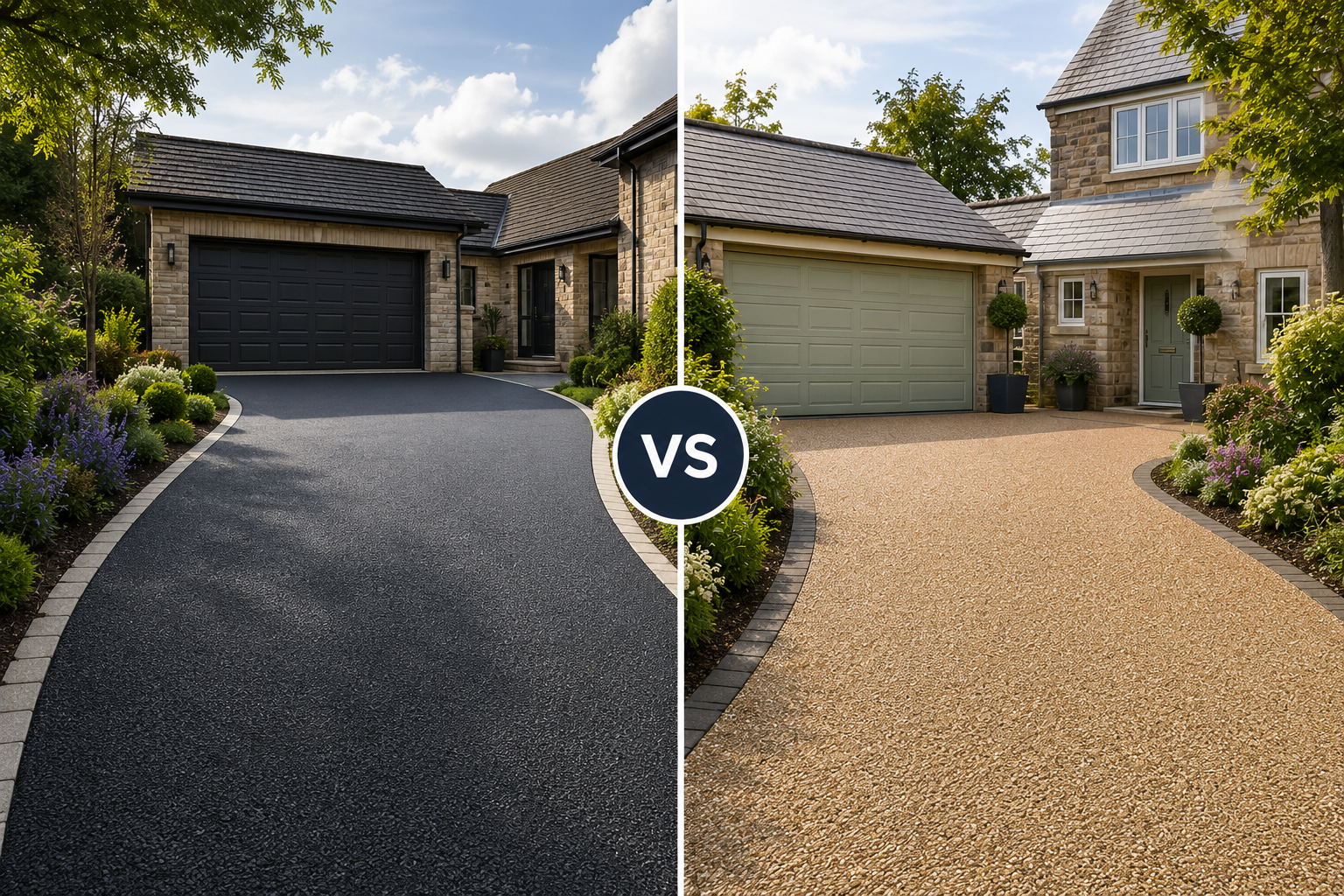
Tarmac vs Resin Driveway: Which Surface Is Right for Your Driveway?
- 2026
- admin
Choosing the right driveway material is an important investment that can improve your property’s appearance, functionality and long-term value. If you’re comparing a tarmac vs resin driveway, you’re not alone. Both materials are popular across Devon, Dorset and Somerset, offering different advantages depending on your budget, style preferences and maintenance expectations.
In this comprehensive driveway material comparison, we’ll explore the key differences between tarmac and resin bound surfacing, helping you decide which is the best driveway surface for your home.
What Is a Tarmac Driveway?
Tarmac (short for tarmacadam) has been a trusted surfacing solution for decades. It’s widely used for residential driveways, roads, car parks and commercial premises due to its durability and cost-effectiveness.
A professionally installed tarmac driveway creates a smooth, hard-wearing surface that can withstand daily vehicle traffic and changing weather conditions.
Advantages of Tarmac
- Excellent durability and strength
- Generally more affordable than resin
- Fast installation process
- Easy to repair if damaged
- Ideal for high-traffic driveways
For homeowners seeking practicality and long-lasting performance, tarmac remains an excellent option.
What Is a Resin Bound Driveway?
Resin bound surfacing combines natural aggregates with a clear UV-stable resin to create a seamless, decorative finish. The result is a highly attractive driveway available in a wide range of colours and stone blends.
Its permeability also makes it increasingly popular where sustainable drainage is a priority.
Advantages of Resin Bound Surfacing
- Attractive premium appearance
- Wide choice of colours and finishes
- Permeable surface allows water to drain naturally
- Resistant to weeds and puddles
- Low maintenance requirements
For homeowners focused on kerb appeal and contemporary design, resin bound surfacing offers significant aesthetic benefits.
Tarmac vs Resin Driveway: Cost Comparison
Budget is often one of the first considerations when selecting a driveway material.
Tarmac
Tarmac is typically one of the more economical surfacing options. Installation costs are generally lower due to simpler materials and quicker installation times.
It also offers excellent value over its lifespan because repairs are relatively straightforward and affordable.
Resin
Resin bound driveways usually involve a higher initial investment because of the premium aggregates, specialist resin and skilled installation required.
However, many homeowners view this additional cost as worthwhile due to the enhanced appearance and long-term visual appeal.
When carrying out a driveway material comparison, it’s important to weigh upfront costs against long-term value rather than focusing solely on the installation price.
Installation Time
The speed of installation can influence your decision, particularly if access to your property is limited.
Tarmac Installation
One of tarmac’s biggest advantages is efficiency. In many cases, installation can be completed quickly, with curing times allowing use within a relatively short period.
This makes it a practical solution for busy households.
Resin Installation
Resin bound systems often require careful preparation and favourable weather conditions. Existing bases may need assessment before installation, and curing times can vary depending on temperature and humidity.
Although installation may take slightly longer, the finished result provides a premium appearance that many homeowners appreciate.
Drainage Considerations
Modern drainage regulations increasingly influence driveway choices.
Tarmac Drainage
Traditional tarmac surfaces are generally impermeable, meaning rainwater runs off rather than filtering through the surface. Additional drainage solutions may be required depending on site conditions and local planning requirements.
Resin Bound Drainage
Resin bound surfacing is naturally porous when installed correctly over an appropriate base. Water drains through the surface and into the ground beneath, reducing standing water and supporting Sustainable Drainage Systems (SuDS).
For many properties, this permeability is a major selling point.
Durability and Longevity
Both materials are designed to withstand years of daily use, but they perform differently under certain conditions.
Tarmac Durability
Tarmac is exceptionally robust and flexible, coping well with vehicle loads and temperature fluctuations. It performs particularly well in high-use environments and can often last many years with routine maintenance.
Small cracks or damage can usually be repaired without replacing the entire driveway.
Resin Durability
Resin bound surfaces are also highly durable when professionally installed. UV-stable resins resist fading, while the aggregate finish remains visually appealing for many years.
Heavy impacts or poor installation can affect longevity, making experienced workmanship especially important.
Maintenance Requirements
Every homeowner wants a driveway that’s easy to maintain.
Looking After Tarmac
Maintenance is generally minimal and may include:
- Occasional cleaning
- Weed removal around edges
- Minor repairs if cracks develop
- Resealing when appropriate
Regular inspections help maximise lifespan.
Looking After Resin
Resin driveways require simple routine care such as:
- Sweeping away debris
- Occasional pressure washing (at suitable settings)
- Removing moss or algae if necessary
- Avoiding oil spills where possible
Because the surface discourages weed growth, maintenance demands are often lower than many traditional alternatives.
Kerb Appeal and Design Flexibility
Visual appearance is where resin often stands apart.
Tarmac Appearance
Tarmac provides a clean, uniform black finish that suits both traditional and modern properties. While edging options and decorative borders can enhance the final design, colour choices are limited.
For homeowners prioritising practicality over aesthetics, this simplicity can be a positive.
Resin Appearance
Resin bound surfacing offers outstanding design flexibility.
Homeowners can choose from:
- Natural stone blends
- Contemporary grey tones
- Warm golden finishes
- Contrasting borders
- Bespoke patterns and features
Its premium finish often enhances overall property presentation and can contribute positively to resale value.
Which Is the Best Driveway Surface?
The answer depends on your priorities.
Choose tarmac if you want:
- Cost-effective installation
- Exceptional durability
- Quick completion
- Easy future repairs
- Proven long-term performance
Choose resin bound surfacing if you value:
- Superior kerb appeal
- Modern decorative finishes
- Permeable drainage
- Low maintenance
- Custom design options
Ultimately, the best driveway surface is one that matches your property’s needs, budget and personal style.
Final Thoughts
When comparing a tarmac vs resin driveway, there is no universal winner. Both materials provide excellent performance when professionally installed, but they excel in different areas.
If affordability, resilience and practicality are your priorities, tarmac remains a reliable choice. If aesthetics, drainage and customisation are more important, resin bound surfacing offers an impressive premium solution.
Before making your decision, it’s worth consulting experienced surfacing specialists who can assess your property and recommend the most suitable option based on your specific requirements.
Contact Dares Surfacing today to discuss your driveway project and discover whether tarmac or resin surfacing is the ideal solution for your home across Devon, Dorset or Somerset.