
05

Nov

The Complete Guide to Block Paving Driveways

A block paving driveway combines durability, practicality and design flexibility, making it one of the most popular ways to transform the entrance to a UK home.

Unlike a continuous surface such as tarmac or concrete, block paving is constructed from individual paving blocks laid in a chosen pattern. This gives homeowners considerably more freedom over colours, borders, patterns and finishes, while individual blocks can also be lifted and replaced if necessary.

However, the finished blocks are only one part of a successful driveway. Excavation, ground preparation, the sub-base, drainage, edging, laying and compaction all contribute to how well a block paved driveway performs over the years.

In this complete guide, we explain what block paving is, its advantages and disadvantages, how it is installed, the different designs available, maintenance requirements, drainage considerations and what to think about before investing in a new driveway.

At Dares Surfacing, we provide professional block paving across Devon, Dorset and Somerset, drawing on more than 30 years of experience in driveway and surfacing installation. Dares Surfacing

What Is a Block Paving Driveway?

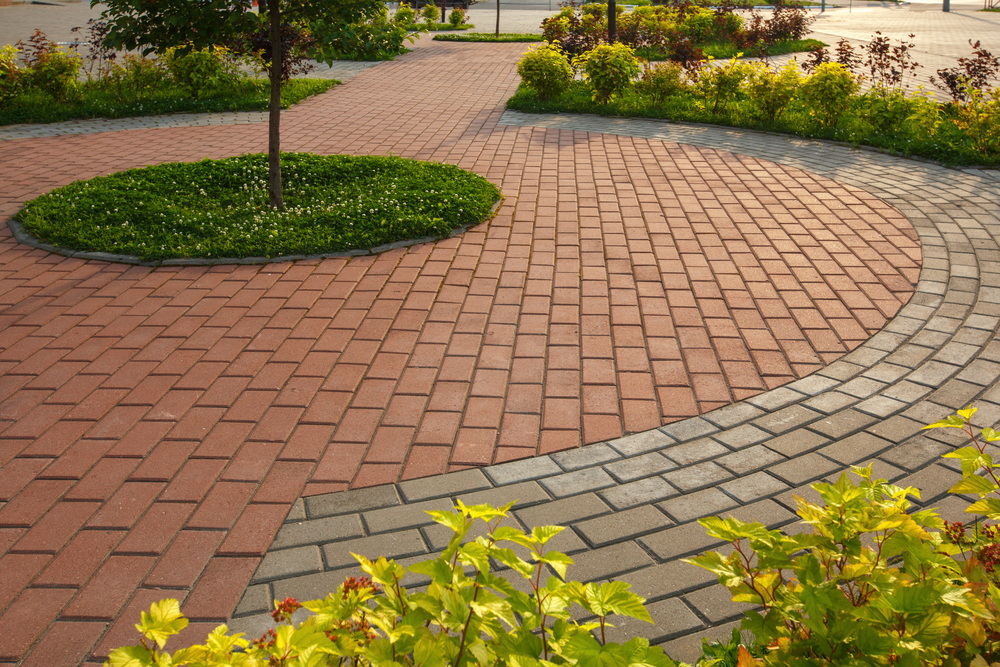
A block paving driveway is a hardstanding surface made from individual paving blocks laid closely together over a prepared foundation.

The blocks are typically manufactured from concrete or clay and are available in a wide selection of shapes, colours, sizes and textures. This makes block paving particularly versatile when compared with surfaces that provide a more uniform finish.

Block paving can be used for:

  • Residential driveways
  • Paths and walkways
  • Patios
  • Parking areas
  • Steps
  • Edging and borders
  • Commercial outdoor areas

For driveways, the construction underneath the blocks is particularly important. The finished surface needs to cope with repeated vehicle movements and weight without developing excessive movement, sinking or uneven areas.

A professionally installed driveway therefore combines the visible paving with appropriate excavation, a stable sub-base, correct levels, drainage and secure edge restraints.

What Are the Benefits of Block Paving Driveways?

There are several reasons homeowners choose block paving when replacing or installing a driveway.

Excellent Design Flexibility

One of block paving’s biggest advantages is its appearance.

Blocks are available in numerous colours, textures, sizes and styles, making it possible to create a driveway that complements the property rather than simply providing somewhere to park.

Traditional homes may suit warmer colours and aged or tumbled blocks, while contemporary properties can work particularly well with grey, charcoal and more minimalist designs.

Contrasting borders, decorative features and different laying patterns provide even more options.

Durable for Everyday Vehicle Use

A properly designed and installed block paving driveway provides a robust surface capable of handling regular vehicle traffic.

The underlying construction is critical. Good groundwork and a correctly prepared base help distribute vehicle loads and minimise movement in the finished paving.

Individual Blocks Can Be Replaced

Unlike a continuous surface, damage does not necessarily mean replacing or resurfacing a large section of the driveway.

Individual blocks can often be lifted and replaced.

This can also be useful if access is needed beneath part of the driveway for underground services, as blocks can potentially be lifted and reinstated afterwards.

Strong Kerb Appeal

Your driveway occupies a significant part of the frontage of many properties.

A carefully chosen block paving design can therefore make a substantial visual difference, creating a smart and clearly defined entrance to the home.

Suitable for Different Property Styles

The range of blocks available means driveway block paving isn’t limited to one particular style of property.

From traditional cottages to newer developments and contemporary homes, the colour, texture and laying pattern can be selected to complement the surrounding architecture and landscaping.

Are There Any Disadvantages to Block Paving?

Block paving has plenty of advantages, but it is important to understand its maintenance and installation requirements too.

Weeds and moss can sometimes establish themselves in joints or accumulated debris if a driveway is not maintained. Jointing sand can also gradually be displaced and may need topping up.

Poor installation is another potential problem. Inadequate excavation, insufficient sub-base preparation, weak edge restraints or unsuitable drainage can result in movement, dips and standing water.

This is why choosing an experienced block paving contractor and focusing on the entire driveway construction rather than simply the appearance of the blocks is important.

How Is a Block Paving Driveway Installed?

Every property is different, so the exact installation method will depend on factors such as existing ground conditions, driveway size, levels and drainage requirements.

However, a typical installation involves several key stages.

1. Planning the Driveway

Before work begins, the driveway should be planned around the property and how the space will actually be used.

Considerations can include:

  • Number and type of vehicles
  • Driveway entrance and access
  • Finished levels
  • Drainage
  • Existing walls and boundaries
  • Paths and entrances
  • Block colours and styles
  • Laying pattern
  • Borders and edging

Planning these details early helps create a driveway that is both attractive and practical.

2. Excavation

The existing surface and unsuitable material are removed to create sufficient depth for the new driveway construction.

This is a crucial stage. Simply laying new blocks over an unsuitable base can compromise the finished driveway.

3. Sub-Base Preparation

A suitable sub-base is installed and compacted to create a stable foundation.

Although homeowners naturally focus on the blocks they will see every day, the quality of the groundwork beneath them can have an enormous effect on the long-term performance of the driveway.

4. Edging

Secure edge restraints help retain the paving and prevent blocks around the perimeter from spreading or moving.

Borders can simultaneously become part of the driveway design, with contrasting blocks commonly used to frame the main paved area.

5. Laying Course

A suitable laying course is prepared over the sub-base, creating the level surface on which the blocks can be positioned.

Accuracy at this stage helps achieve the correct levels and an even finished surface.

6. Laying the Blocks

The selected blocks are then installed according to the chosen pattern.

Attention to alignment, cuts, borders and detailing is particularly important because small inaccuracies can become much more noticeable across a larger paved area.

7. Jointing and Compaction

Once the paving has been laid, jointing material is worked into the gaps between the blocks and the surface is compacted.

This helps lock the individual blocks together and creates a stable finished driveway. Dares’ existing block paving process similarly includes jointing sand and compaction as important stages of installation. 

What Are the Best Block Paving Patterns for Driveways?

The laying pattern influences both the appearance and, in some applications, the structural performance of the paved area.

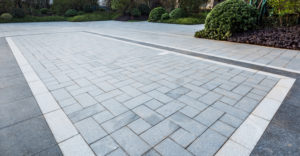
Herringbone

Herringbone is one of the most recognisable driveway patterns.

Blocks are positioned at angles to create an interlocking arrangement that works particularly well in areas exposed to vehicle traffic.

It can create either a traditional or contemporary appearance depending on the colour and style of block selected.

Basketweave

Basketweave arranges blocks in pairs to create a distinctive woven appearance.

It is particularly suited to traditional designs and can work well alongside period properties and garden features.

Stretcher Bond

Stretcher bond uses offset rows similar to traditional brickwork.

Its simple appearance can work particularly well for paths and more understated paving designs.

Decorative and Mixed Designs

You aren’t limited to a single pattern across the whole driveway.

Contrasting borders, different colours and decorative features can all be incorporated to create a bespoke finish.

For further inspiration, see our guide to 12 block paving ideas for driveways. Dares’ existing guidance includes herringbone layouts, contemporary grey paving, mixed colours, contrasting borders, permeable paving and traditional finishes among its driveway design ideas. 

Which Colour Block Paving Should You Choose?

There is no single best colour for a block paving driveway.

The right choice depends on your property, surroundings and personal preferences.

Popular options include shades of:

  • Charcoal
  • Grey
  • Buff
  • Brindle
  • Red
  • Brown
  • Natural stone

Rather than viewing the driveway in isolation, consider how the colour will work alongside the house brick or render, roof, boundary walls, garage, paths and surrounding landscaping.

Contrasting borders are another option. For example, a lighter main driveway can be framed with darker blocks to create greater definition.

It is also worth considering how the driveway will look after regular use rather than choosing exclusively from a pristine sample.

Does a Block Paving Driveway Need Drainage?

Drainage should be considered during the planning stage of any driveway project.

Without suitable water management, rainfall can create puddles or unwanted surface water runoff.

The appropriate solution will depend on the property, levels, size of the paved area and type of block paving being installed.

Options can include appropriate falls, drainage channels and permeable paving systems.

What Is Permeable Block Paving?

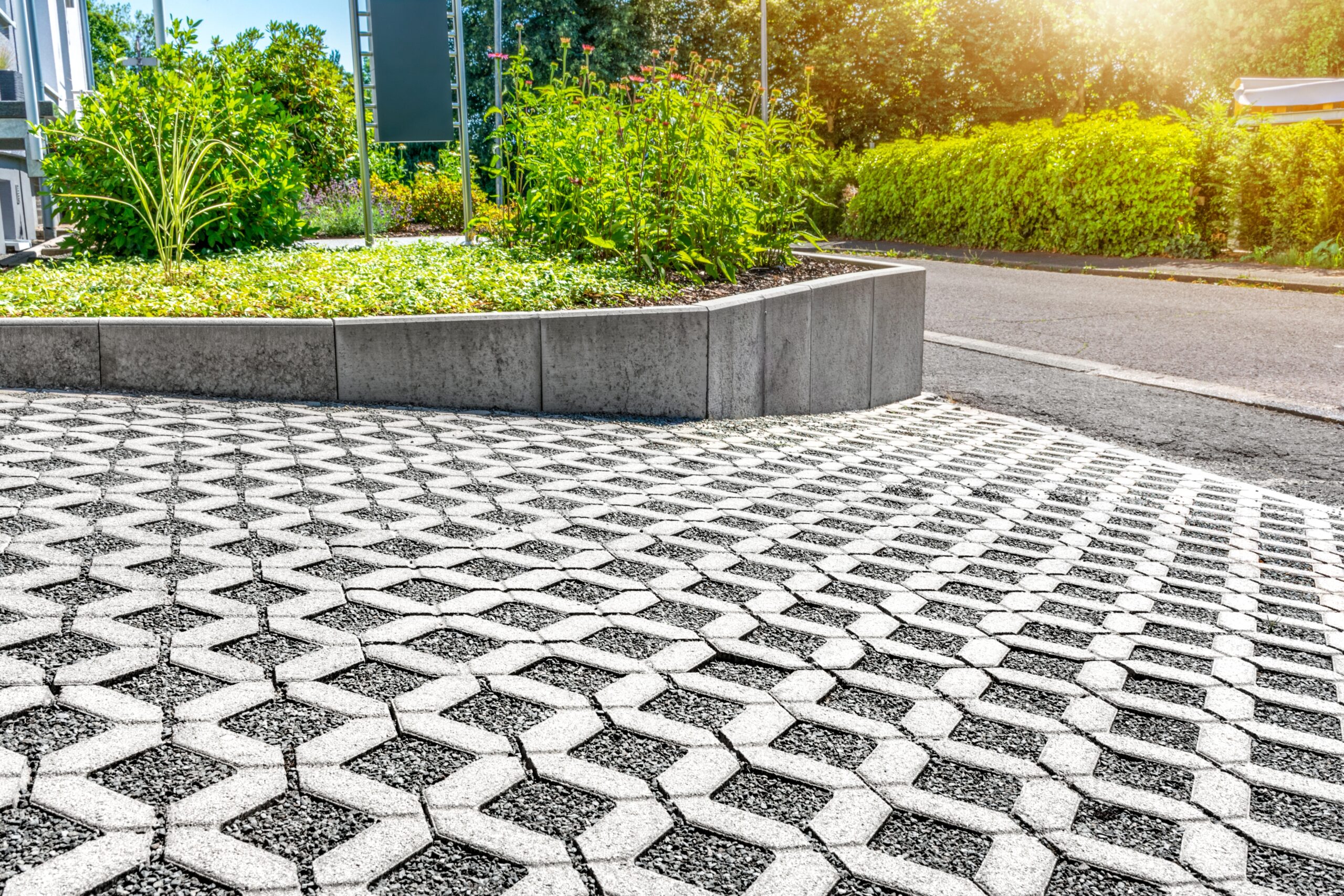
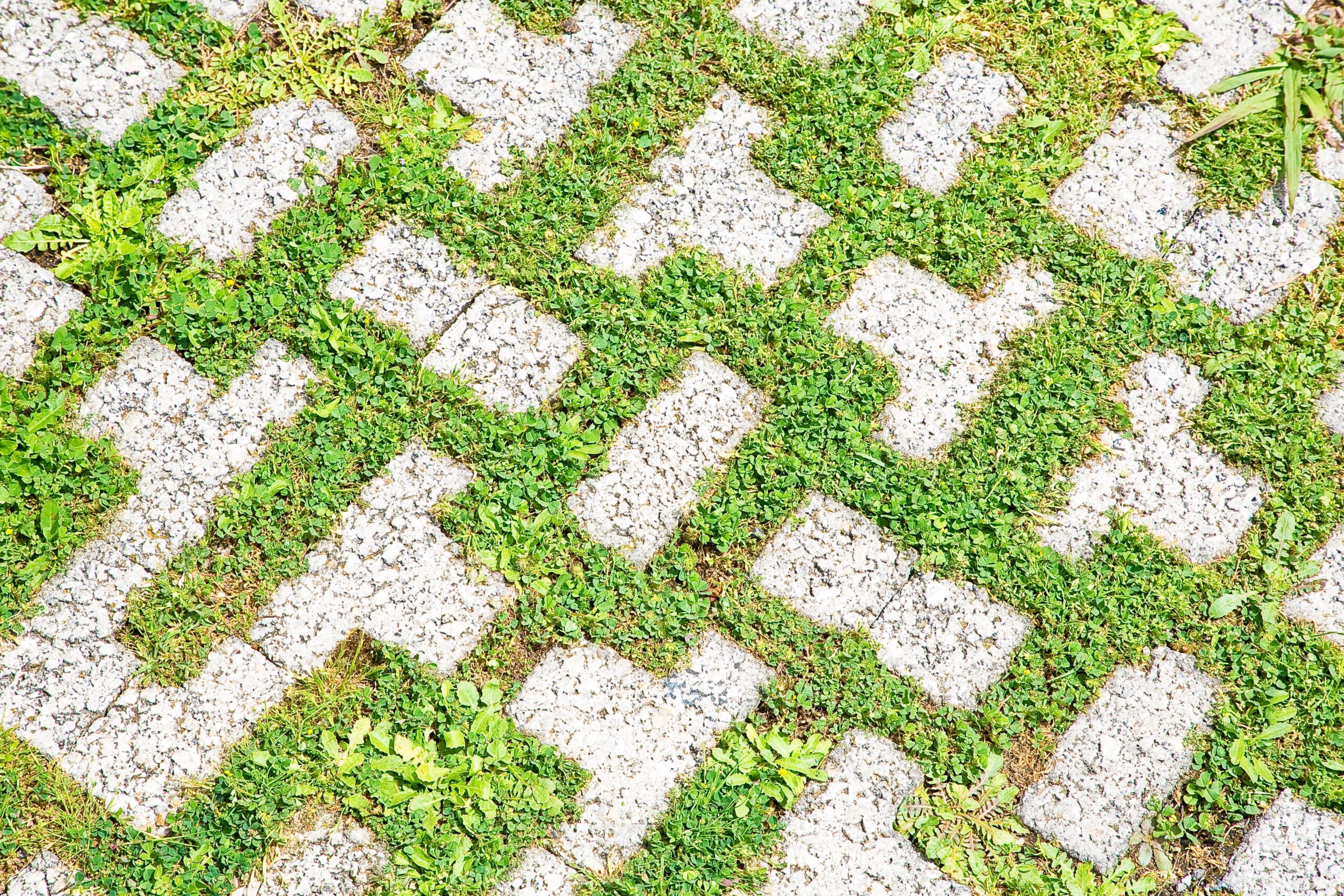
Permeable block paving is designed as part of a system that allows rainfall to pass through the paved surface rather than simply running across it.

It can be a useful option where sustainable management of surface water is required.

However, permeability involves more than simply choosing a particular paving block. The complete driveway construction needs to be designed appropriately so water can pass through and be managed effectively.

Your surfacing contractor can advise on drainage requirements after assessing the site.

Does Block Paving Need Planning Permission?

Not every driveway project requires planning permission, but drainage is particularly relevant when paving a front garden in England.

Government guidance states that planning permission is not required when a new or replacement driveway of any size uses permeable or porous surfacing, or when water is directed to a lawn or border where it can drain naturally.

For impermeable surfacing covering more than five square metres that does not provide for water to drain to a permeable area, planning permission may be required.

Homeowners should check the requirements applying to their particular property and project before work begins.

How Long Does a Block Paving Driveway Last?

There isn’t a universal lifespan for every block paved driveway because longevity depends heavily on how it was constructed, the materials used, ground conditions, drainage, vehicle loading and ongoing maintenance.

A high-quality driveway installed over properly prepared foundations should provide many years of service.

The most important factors affecting longevity include:

  • Quality of excavation and groundwork
  • Strength and compaction of the sub-base
  • Correct drainage
  • Quality of the paving blocks
  • Secure edge restraints
  • Appropriate installation
  • Vehicle loading
  • Ongoing maintenance

This is another reason not to assess quotations purely by the visible paving blocks. What is underneath the finished driveway is fundamental to its long-term performance.

How Do You Maintain a Block Paving Driveway?

Block paving is relatively straightforward to maintain, but it shouldn’t be regarded as completely maintenance-free.

Sweep It Regularly

Removing leaves, soil and general debris prevents organic material accumulating in joints and helps keep the surface looking tidy.

Remove Weeds

Occasional weeds may appear in joints, particularly where wind-blown seeds have settled into accumulated dirt.

Dealing with them early prevents them becoming more established.

Clean the Surface When Required

General dirt and staining can be removed periodically using cleaning methods suitable for the paving.

Care should be taken with aggressive pressure washing because it can disturb jointing material if used incorrectly.

Replace Jointing Sand When Necessary

Jointing material can gradually be lost through weathering and cleaning.

If joints become depleted, suitable jointing sand can be reapplied to help maintain the stability of the paving.

Deal With Stains Promptly

Oil and other spills are generally easier to address when treated quickly rather than being allowed to remain on the blocks for long periods.

Can Damaged Block Paving Be Repaired?

One of the useful characteristics of block paving is that individual sections can often be repaired without replacing the entire driveway.

If a block becomes damaged or badly stained, it may be possible to lift it and install a replacement.

Similarly, an area that has moved or sunk may potentially be lifted, the underlying problem addressed and the blocks relaid.

The appropriate repair depends on the cause of the problem. Repeated movement, for example, may indicate an issue with the underlying construction rather than the blocks themselves.

Block Paving vs Tarmac: What’s the Difference?

Both are established driveway surfaces, but they offer different characteristics.

Tarmac creates a continuous, practical surface and can be an excellent choice for larger areas where a straightforward, durable finish is the priority.

Block paving provides considerably greater design flexibility, allowing homeowners to choose colours, patterns, borders and decorative details. Individual blocks can also be replaced when necessary.

Cost, driveway size, appearance, maintenance expectations and intended use should all be considered rather than assuming one material is universally better.

If you’re deciding between the two, read our complete block paving vs tarmac guide for a more detailed comparison. 

How Much Does a Block Paving Driveway Cost?

There isn’t a meaningful single price that applies to every block paving driveway.

The overall cost can be influenced by:

  • Total driveway area
  • Existing surface
  • Excavation required
  • Ground conditions
  • Access to the site
  • Drainage requirements
  • Type and quality of blocks
  • Laying pattern
  • Borders and decorative features
  • Steps, paths and other associated work
  • Complexity of cuts and detailing

A straightforward rectangular driveway using a standard block will naturally have different requirements from a larger bespoke installation involving multiple colours, intricate borders, drainage work and difficult site access.

For that reason, the most reliable way to establish cost is through a site-specific quotation.

How Do You Choose a Block Paving Contractor?

A driveway is a significant investment, so choosing the right contractor matters.

Don’t judge a contractor purely on the price of the quotation. Ask what preparation is included, how drainage will be handled, which materials will be used and what the installation process involves.

It is useful to look for:

  • Proven surfacing experience
  • Examples of completed work
  • Clear quotations
  • Appropriate groundwork and preparation
  • Quality materials
  • Understanding of drainage
  • Knowledge of different paving systems
  • Professional installation and finishing

Dares Surfacing brings more than 30 years of experience to surfacing projects and provides tarmac, block paving, concrete and resin solutions for domestic and commercial customers across Devon, Dorset and Somerset. 

Block Paving Driveways in Devon, Dorset & Somerset

The flexibility of block paving makes it suitable for properties throughout the South West, from traditional rural homes to contemporary developments.

Dares Surfacing designs, supplies and installs block paving for driveways and other outdoor areas throughout Devon, Dorset and Somerset.

Our team can advise on the complete project, including driveway design, preparation, block selection, laying patterns, edging and drainage considerations.

Whether you want to replace a tired existing driveway or create a completely new parking area, the aim is the same: to combine a strong underlying construction with a finished surface that complements your property.

Frequently Asked Questions About Block Paving Driveways

Is block paving good for a driveway?

Yes. Block paving is well suited to residential driveways because it combines a hard-wearing surface with extensive design flexibility. Homeowners can choose between different block colours, textures, sizes, patterns and borders to create a driveway suited to the property. Correct installation is essential, however. The excavation, sub-base, edging, drainage and compaction beneath and around the visible blocks all contribute to how well the driveway performs under regular vehicle traffic.

What is the best block paving pattern for a driveway?

Herringbone is a particularly popular choice for driveways because its interlocking arrangement creates an attractive and robust paved surface. Other patterns and decorative layouts can also be used depending on the chosen blocks and driveway design. The best option should consider both appearance and intended use. Borders and contrasting colours can then be incorporated to give the driveway additional definition.

How long should a block paving driveway last?

There is no fixed lifespan because the performance of a block paving driveway depends on its construction, materials, drainage, usage and maintenance. Correct groundwork is particularly important. A professionally installed driveway with a properly prepared and compacted foundation can provide a long-lasting surface, while poor preparation may cause movement or settlement much sooner. Routine cleaning and maintaining the joints can also help keep paving in good condition.

Do weeds grow through block paving?

Weeds can appear in the joints between paving blocks, but they do not necessarily grow upwards from beneath a correctly constructed driveway. Seeds can be carried onto the surface by wind and settle in dirt or organic material accumulated within the joints. Regular sweeping and dealing with small weeds before they become established can significantly reduce the problem.

Can you pressure wash block paving?

Block paving can be cleaned, but care should be taken when using a pressure washer. Excessive pressure or holding the nozzle too close to the paving can remove jointing material between the blocks. If pressure washing is used, an appropriate technique should be followed and displaced jointing sand may need replacing once the driveway has dried.

Can individual paving blocks be replaced?

Yes, and this is one of the practical advantages of block paving. Individual damaged or heavily stained blocks can often be lifted and replaced without resurfacing the entire driveway. Sections can potentially also be lifted when access beneath the paving is required. Replacement blocks may initially differ slightly in appearance from older weathered paving, but the ability to carry out localised repairs remains a significant advantage.

Does block paving need sealing?

Sealing isn’t automatically necessary for every block paving driveway. Some homeowners choose to use an appropriate paving sealer to alter or enhance the appearance of the blocks and provide additional surface protection. Whether sealing is suitable depends on the paving material and desired finish. If you are considering sealing a new or existing driveway, check the paving manufacturer’s recommendations and use products intended for that particular surface.

Is permeable block paving worth considering?

Permeable block paving can be particularly useful where managing rainwater and surface runoff is an important part of the driveway design. Rather than water simply running across an impermeable surface, a correctly designed permeable system allows rainfall to pass through. Importantly, permeability depends on the complete construction rather than the paving blocks alone, so the underlying layers need to be designed and installed as part of the system.

Is block paving suitable for large driveways?

Yes. Block paving can be used for both smaller domestic driveways and substantial parking areas. For larger installations, careful planning becomes particularly important because vehicle movements, drainage, layout and the amount of paving can all affect the design. Different colours or borders can also be used to break up a large expanse of paving and define parking areas or entrances.

Can block paving improve kerb appeal?

A professionally designed block paved driveway can make a significant visual difference to the front of a property. Colours can be selected to complement existing brickwork or render, while borders and laying patterns can create a more bespoke appearance. However, good driveway design should balance aesthetics with practical considerations such as parking space, pedestrian access, drainage and ease of maintenance.

Get a Quote for a Block Paving Driveway

A well-designed block paving driveway can provide an attractive, practical and durable entrance to your property, but the quality of the finished surface depends just as much on the preparation underneath as the blocks you see.

With more than 30 years of surfacing experience, Dares Surfacing provides professional block paving installations throughout Devon, Dorset and Somerset, with solutions tailored to the property, available space and desired finish. 

If you’re considering a new driveway, explore our block paving services or contact Dares Surfacing to discuss your project and request a quotation.
06

Oct

How to Clean and Maintain a Resin Driveway

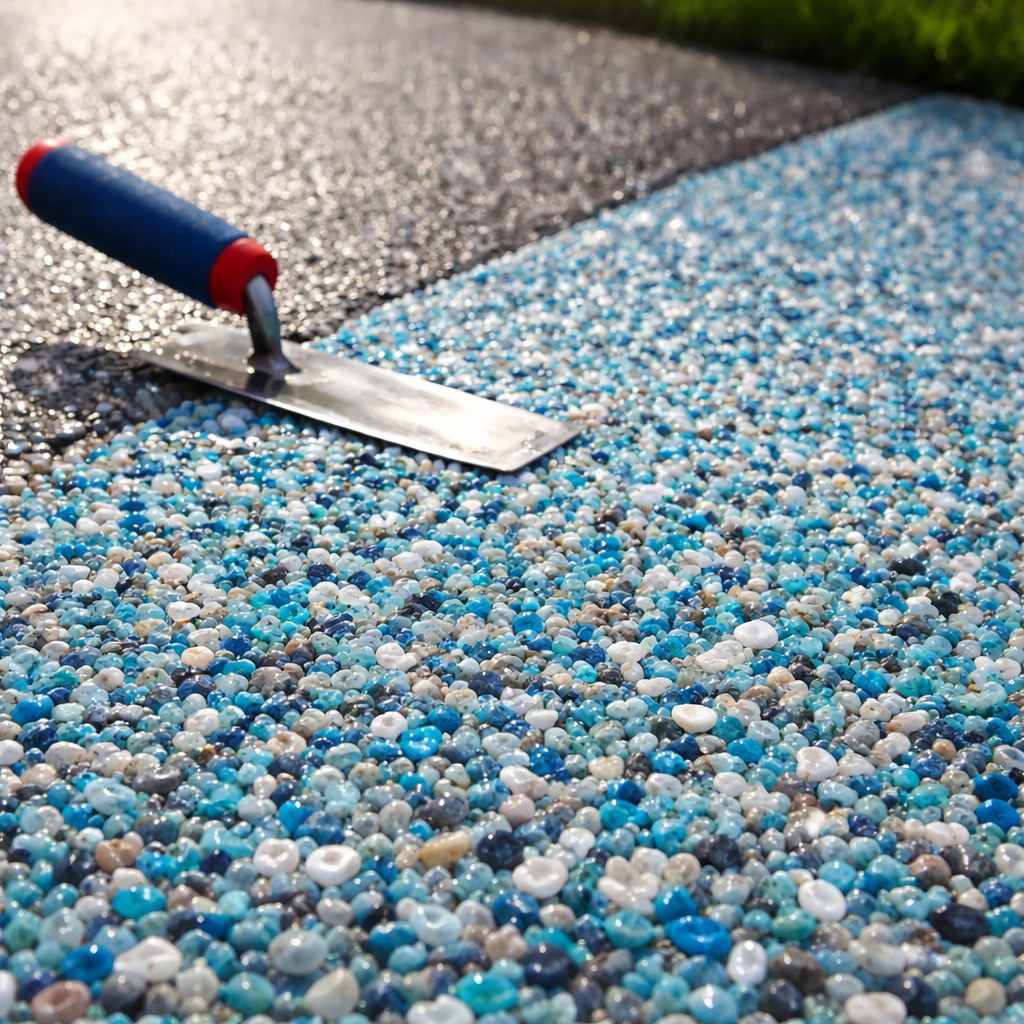
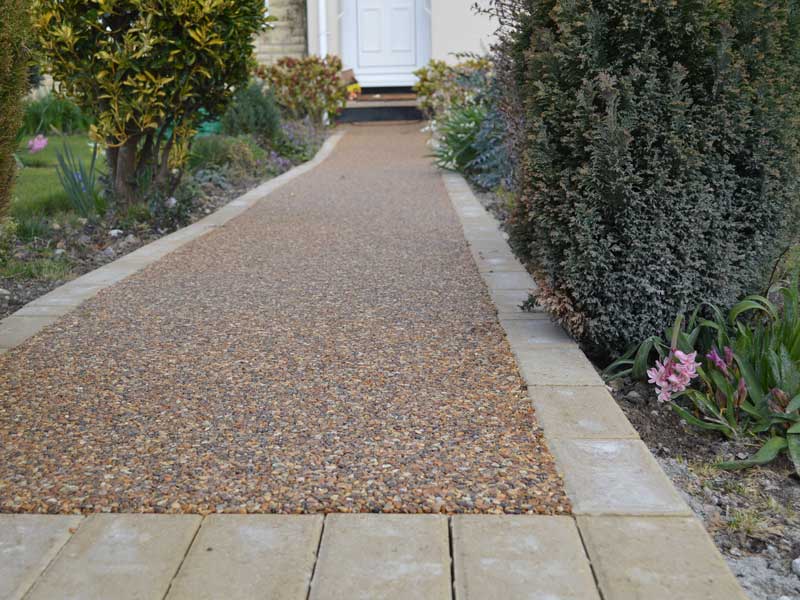
A resin-bound driveway needs regular care to keep its attractive finish. Leaves, soil, vehicle spills and everyday dirt can collect on the surface, particularly around borders and beneath trees. A simple cleaning routine helps you manage these problems before they become harder to remove.

If you are wondering how to clean a resin driveway, start with sweeping and gentle washing. Stronger treatments should only be used when they are suitable for your particular resin system.

This guide covers resin-bound surfaces. For an introduction to their construction and benefits, read our pillar guide, What Is a Resin-Bound Driveway? Everything You Need to Know.

How to Clean a Resin Driveway: Step by Step

1. Check the Surface Before Cleaning

Look over the driveway for loose aggregate, damaged edges or cracks. Note any stained areas so you can treat them separately rather than applying a strong cleaner across the whole driveway.

If you find damage, speak to your installer before pressure washing. Cleaning will not resolve an underlying surface or base problem.

For a newly installed driveway, follow the agreed curing and aftercare instructions before walking, driving or cleaning on it.

2. Sweep Away Leaves and Dirt

Use a suitable outdoor broom to remove leaves, twigs and loose debris. Pay particular attention to borders, areas beneath plants and places where soil collects.

Clear fallen leaves promptly rather than allowing them to sit on the driveway. Decaying organic material can leave marks and encourage unwanted growth.

3. Wash With Clean Water

For routine dirt, a hose and gentle brushing may be enough. Work across manageable sections and rinse away loosened material.

Where detergent is needed, choose a mild product approved for the installed resin system. Follow its dilution instructions and test a discreet area before treating a visible section.

4. Treat Remaining Marks Separately

Identify the likely cause of a stain before selecting a treatment. Oil, algae and mineral marks may need different approaches.

Avoid repeatedly scrubbing with stronger products if a mark remains. Take a photograph and ask your installer for advice instead.

Can You Pressure Wash a Resin Driveway?

Many resin-bound systems permit pressure washing, but the technique matters. Excessive pressure or spraying too close can damage the finish.

Check your system’s aftercare guidance for its pressure limit and recommended nozzle distance. Use a fan spray, keep the lance moving and avoid concentrating the jet on one spot.

For example, Leeson’s published maintenance guidance specifies cold water, a maximum pressure rating of 150 bar and a fan lance held 200mm above the surface. These are system-specific limits, not instructions to use the maximum pressure on every driveway.

Start gently in a discreet area. If stones become dislodged, stop and seek advice.

Removing Common Marks and Growth

Oil and Grease

Deal with spills promptly. Blot up excess liquid without spreading it across the surface, then use a compatible mild detergent or approved degreaser according to the product instructions.

Do not assume a driveway is immune to staining. Older contamination may be harder to remove, and aggressive solvents can damage the resin.

Moss, Algae and Weeds

Check damp, shaded areas for green growth. Regular debris removal helps reduce the conditions in which moss and weeds establish.

Use a moss or algae treatment only after confirming its suitability for your surface. Follow the label carefully and protect nearby planting.

Small surface weeds can often be removed gently by hand. Avoid digging into the resin with sharp tools.

Tyre Marks

Try gentle cleaning before using a specialist treatment. Ask your installer which products are appropriate if the marks persist.

Where practical, avoid turning the steering wheel while the vehicle is stationary on the driveway. This reduces concentrated friction on the surface.

A Practical Resin Driveway Maintenance Routine

The right cleaning frequency depends on your surroundings. A driveway beneath trees may need more attention than an open, sheltered area.

Use these reminders to organise your checks:

When What to check
During routine garden care Leaves, soil and debris around borders
After a spill Contamination that needs prompt attention
After autumn leaf fall Remaining organic material and staining
Before a deeper clean Surface condition and product compatibility
After cleaning Any marks or damage needing further advice

Keep a note of recurring problems. Photographs taken from the same position can help you explain changes to your installer.

Protecting the Surface From Damage

Avoid dragging heavy items across the driveway. Skips, scaffolding and concentrated loads need suitable arrangements rather than being placed directly onto the finish without advice.

During winter, avoid scraping the surface with metal tools or pouring boiling water onto ice. Follow the installed system’s guidance on snow removal and de-icing products.

Do not apply a general driveway sealer simply because the surface looks dull. Any coating or restorative treatment should be compatible with the resin system and recommended for its condition.

When to Ask for Professional Advice

Contact your installer if cleaning reveals loose stones, damaged edges or cracks. Seek advice about persistent staining before trying increasingly aggressive products.

When enquiring, provide a close-up photograph, a wider view and details of the cleaning methods already used. Include the installation date and resin system if you know them.

For help understanding installation options, explore our resin-bound surfacing services.

Frequently Asked Questions

1. What Is the Best Way to Clean a Resin Driveway?

Start by sweeping away loose debris, then wash with clean water and a suitable brush. Treat remaining marks separately using products approved for your resin system. Always follow your installer’s aftercare guidance before using detergents or a pressure washer.

2. Can I Clean a Resin Driveway Without a Pressure Washer?

Yes. Sweeping, gentle brushing and rinsing with a hose can be sufficient for routine dirt. More stubborn marks may need a compatible treatment. Start with the least aggressive method and ask your installer for advice if the surface remains stained.

3. How Often Should I Clean My Resin Driveway?

Clean according to the amount of dirt and debris collecting on the surface. Areas beneath trees or in shade may need closer attention. Clear spills promptly, remove fallen leaves regularly and arrange deeper cleaning when routine washing no longer removes the buildup.

4. Can I Use Bleach on a Resin Driveway?

Do not assume bleach is suitable for every resin driveway. Some manufacturers permit specific treatments, but compatibility and dilution vary. Check your system’s aftercare instructions and the cleaning product label before use. Ask your installer if you cannot identify the surface.

5. Do Resin Driveways Need Sealing?

Follow the guidance for your installed resin system. Some manufacturers offer compatible restorative coatings, but these should not be treated as a universal maintenance requirement. Ask your installer before applying a sealer, particularly if the surface has damage or persistent staining.

6. Can Cleaning Repair a Damaged Resin Driveway?

Cleaning can remove dirt and certain marks, but it cannot repair cracks, loose aggregate or problems beneath the surface. If you notice damage, stop aggressive cleaning and request an assessment. The appropriate solution depends on the cause and extent of the problem.

Planning a Resin Driveway With Dares Surfacing

Understanding maintenance is part of choosing the right driveway. Dares Surfacing provides resin surfacing and other driveway solutions across Devon, Dorset and Somerset.

For the wider picture, read our complete guide to resin-bound driveways, covering the surface before you decide on your project.

Contact Dares Surfacing to discuss your driveway plans and request a quotation.

23

Apr

Do You Need Planning Permission for a New Driveway?

Introduction

Installing or replacing a driveway is a popular home improvement across the UK, but many homeowners are unaware that certain projects may fall under planning permission for driveways regulations. Depending on the materials used and how surface water is managed, you could either proceed freely or require approval from your local council.

Understanding driveway regulations in the UK is essential before starting any work. From tarmac and block paving to resin and concrete surfaces, each option may have different compliance considerations especially when it comes to drainage.

In this guide, we’ll explain when permission is needed, what exemptions apply, and how to stay compliant with driveway drainage rules to avoid costly mistakes.

When Do You Need Planning Permission for a Driveway?

In many cases, homeowners can install or replace a driveway without formal planning permission. However, permission is typically required if:

  • The new driveway uses non-permeable materials and water drains onto the public road
  • Surface water is not directed to a permeable area such as a lawn or soakaway
  • The driveway exceeds certain size thresholds or involves major alterations to access onto a main road
  • You live in a listed building or conservation area with stricter planning controls

Local councils are particularly focused on preventing surface water runoff, which can contribute to flooding. This is where driveway drainage rules become especially important.

Driveway Regulations UK Homeowners Should Know

UK driveway regulations are mainly governed by permitted development rights, which allow certain projects without planning permission. However, these rights come with conditions.

One key rule is that if you are laying a driveway larger than 5m² using traditional impermeable materials (such as standard concrete or tarmac), you must ensure proper drainage is in place.

To comply with driveway regulations UK, your surface must:

  • Allow water to drain naturally into the ground, OR
  • Direct water to a permeable area within your property boundary

This is why many homeowners now choose modern surfacing solutions that naturally comply with regulations.

At Dares Surfacing, we often recommend permeable systems such as resin-bound surfaces that meet drainage requirements while maintaining a high-end finish.

Driveway Drainage Rules Explained

Understanding driveway drainage rules is crucial before choosing your materials. The goal is simple: prevent water from running off your property into roads or neighbouring land.

There are three main compliant drainage methods:

1. Permeable Surfaces

Materials like resin-bound gravel or permeable block paving allow water to pass through the surface naturally into the ground below.

2. Soakaways

These are underground drainage systems designed to collect and slowly disperse rainwater within your property.

3. Channel Drains

Installed along the edge of the driveway, these collect excess water and redirect it safely into a drainage system or garden area.

Failing to meet these drainage requirements could result in enforcement action from your local authority, especially in high-risk flood zones.

Which Driveway Materials Are Exempt from Planning Permission?

Some driveway materials are more likely to comply with permitted development rules without requiring planning permission.

Resin Surfacing

Resin-bound systems are highly permeable, making them one of the most compliant options for modern driveways. They combine aesthetics with excellent drainage performance.

Permeable Block Paving

Designed with gaps that allow water to drain naturally, this option is both practical and visually appealing.

Gravel Driveways

A traditional choice that naturally allows water to pass through, though it requires edging to maintain structure.

Tarmac and Concrete

These materials are typically impermeable unless paired with proper drainage systems such as soakaways or channel drains.

For homeowners wanting a low-maintenance solution, resin surfacing is often the most straightforward way to meet regulations while achieving a premium finish.

Common Mistakes Homeowners Make

Many planning permission issues arise due to avoidable mistakes, such as:

  • Installing impermeable surfaces without drainage planning
  • Extending driveway size without checking local restrictions
  • Ignoring conservation area requirements
  • Assuming “like-for-like” replacements are always exempt

Even small oversights can lead to compliance issues, so it’s always worth checking before work begins.

How to Stay Compliant and Avoid Planning Issues

To ensure your project complies with driveway regulations UK, follow these best practices:

  • Choose permeable materials where possible
  • Always plan drainage before installation
  • Check local council guidance for your area
  • Work with experienced surfacing contractors

Professional installation is especially important, as incorrect gradients or drainage setup can lead to long-term water damage or regulatory issues.

At Dares Surfacing, we ensure every project is designed with compliance and durability in mind, giving homeowners peace of mind from start to finish.

Wrapping Up

Understanding planning permission for driveways, along with key driveway drainage rules and driveway regulations UK, is essential before starting any surfacing project. While many driveways fall under permitted development, drainage compliance is often the deciding factor.

Choosing the right materials and installation method can help you avoid planning issues altogether while improving the appearance and functionality of your property.

If you’re planning a new driveway or resurfacing an existing one, Dares Surfacing can help you select the right solution for both compliance and style.

Contact Dares Surfacing today to learn more about our driveway surfacing solutions across Devon, Dorset, and Somerset.

Frequently Asked Questions 

1. Do I need planning permission for a driveway?

In most cases, you do not need planning permission for a driveway in the UK if it uses permeable materials or has proper drainage that prevents surface water from running onto roads or neighbouring properties.

2. When is planning permission required for a driveway?

Planning permission is usually required when impermeable surfaces are installed without adequate drainage, when water runs onto the highway, or if the property is listed, in a conservation area, or subject to local restrictions.

3. What are driveway drainage rules in the UK?

Driveway drainage rules in the UK require surface water to be managed within your property using permeable materials, soakaways, or drainage channels, preventing runoff onto roads, pavements, or neighbouring land to reduce flooding risk.

4. Which driveway materials are exempt from permission?

Permeable materials such as resin-bound surfaces, gravel, and permeable block paving are typically exempt from planning permission, as they allow water to drain naturally through the surface into the ground below without causing runoff issues.

5. Does tarmac need planning permission?

Tarmac may require planning permission if it is impermeable and lacks proper drainage systems. However, if paired with suitable soak aways or channel drains, it can often comply with UK driveway regulations and permitted development rights.

6. What happens if I ignore driveway regulations?

Ignoring driveway regulations can result in enforcement action from your local council, including requirements to remove or alter the driveway, fines, and potential issues with property drainage leading to flooding or legal complications later eventually.

7. How can Dares Surfacing help with compliance?

Dares Surfacing ensures driveway installations meet UK planning permission and drainage rules by using compliant materials, professional installation techniques, and tailored solutions that prevent runoff while delivering durable, attractive, and long-lasting surfacing results for homeowners.

13

Mar

Post-Winter Driveway Care: Essential Tips to Prepare for Spring

Introduction

Winter weather can take a toll on your driveway. From frost damage to weed growth and surface stains, it’s crucial to assess and restore your surface as the seasons change. This post-winter driveway cleaning and repair guide offers practical driveway maintenance tips to help you prepare for spring in the UK, ensuring your surface stays functional and attractive.

Inspect Your Driveway for Winter Damage

Start by carefully checking for signs of winter wear:

  • Cracks and potholes: Freeze-thaw cycles can expand existing cracks or create new ones.
  • Surface staining: Salt, debris, and water runoff often leave unsightly marks.
  • Weeds and moss: Moist conditions encourage growth in joints and edges.

Early detection allows for timely repairs and prevents minor issues from becoming costly problems.

Thorough Driveway Cleaning

Cleaning your driveway is a fundamental first step in spring maintenance. For general driveway cleaning:

  • Use a pressure washer to remove grime, algae, and moss.
  • Apply a driveway-friendly detergent for deeper cleaning.
  • Scrub oil or fuel stains with a degreasing agent.

Resin Driveway Cleaning Tips

Resin-bound surfaces require a gentler approach:

  • Use a medium-pressure hose instead of a jet washer.
  • Avoid harsh chemicals; opt for mild soapy water.
  • Sweep regularly to prevent debris buildup.

Regular resin driveway cleaning not only improves appearance but also extends lifespan.

Remove Weeds and Treat Edges

Post-winter is prime time to deal with unwanted growth:

  • Pull weeds by hand or use a weed removal tool for deeper roots.
  • Apply a residual herbicide to prevent regrowth.
  • Trim back bordering grass or plants encroaching on the surface.

This not only boosts kerb appeal but also protects your driveway’s structural integrity.

Resealing Your Driveway

Resealing is one of the most effective ways to maintain your surface, especially after a harsh winter. Benefits include:

  • Protection: Shields against moisture, UV rays, and surface erosion.
  • Appearance: Restores colour and finish.
  • Durability: Helps prevent cracking and fading.

Depending on the surface (asphalt, block paving, or resin), choose the appropriate sealant. It’s best to reseal on a dry day with mild temperatures.

Best Driveway Maintenance Products for Spring

Here are some recommended products to assist your spring maintenance routine:

  • Driveway cleaner: Eco-friendly and suitable for all surfaces.
  • Crack filler: For patching small imperfections.
  • Joint sand or compound: Ideal for block paving.
  • Weed control solution: Long-lasting and pet-safe options available.

Using the right tools ensures more effective and long-lasting results.

Wrapping Up

Taking the time to clean, repair, and reseal your driveway after winter not only enhances its look but also adds years to its lifespan. With these driveway maintenance tips, you can ensure your surface is ready for the months ahead.

Need help with post-winter driveway care? 

Contact Dares Surfacing today for expert advice and professional maintenance services across Devon, Dorset, and Somerset.

Frequently Asked Questions

1. Why is post-winter driveway maintenance important?


Winter conditions such as frost, heavy rain, and road salt can damage driveway surfaces. Post-winter maintenance helps identify cracks, remove stains, and prevent further deterioration. Regular upkeep keeps your driveway safe, visually appealing, and extends its lifespan before heavier spring and summer use.

2. How do I check my driveway for winter damage?


Start by inspecting the surface for cracks, potholes, loose blocks, or areas of sinking. Look for stains, moss, and weeds forming between joints. Catching these issues early allows you to repair them quickly, preventing larger structural problems and costly driveway repairs later.

3. What is the best way to clean a driveway after winter?


Begin by sweeping away loose debris, leaves, and dirt. Use a pressure washer with a driveway-safe detergent to remove grime, algae, and moss. For stubborn stains like oil or fuel, apply a degreasing cleaner and gently scrub the affected areas.

4. How should resin-bound driveways be cleaned?


Resin-bound driveways require gentle cleaning to protect the surface. Use a medium-pressure hose rather than a powerful jet washer. Clean with mild soapy water and a soft brush if needed, and sweep regularly to prevent leaves, dirt, and debris from building up.

5. How can I stop weeds and moss growing on my driveway?


Remove weeds by hand or with a weed removal tool to ensure roots are fully removed. Apply a suitable residual herbicide to prevent regrowth. Regular sweeping and trimming back nearby plants also helps reduce moisture buildup that encourages weed growth.

6. When should I reseal my driveway after winter?


The best time to reseal a driveway is during dry weather with mild temperatures in spring. Resealing protects against moisture, UV damage, and wear while restoring colour and appearance. Always choose a sealant designed for your specific driveway surface.

7. Can professional driveway maintenance help extend its lifespan?


Yes, professional maintenance can significantly extend the life of your driveway. Experts can carry out deep cleaning, repair cracks, reseal surfaces, and address structural issues early. Professional care ensures your driveway remains durable, safe, and visually attractive for years to come.

18

Feb

New Resin Bound Colour Trends & Finishes: What’s Trending in 2026

How Driveway Aesthetics Are Evolving Across the South West

Driveways are no longer just practical spaces to park your car , they’re a key feature of modern driveway design. Across Devon, Dorset, and Somerset, homeowners are embracing new resin bound colour trends that combine durability with contemporary style. In 2026, resin surfacing is all about subtle textures, natural tones, and finishes that elevate kerb appeal while increasing property value.

At Dares Surfacing, we’ve seen a clear shift in design preferences. Homeowners want surfaces that complement their property’s architecture while offering low maintenance and long-term performance. This guide explores the most popular resin finish ideas and colour palettes shaping driveways across the South West.


Resin Bound Colour Trends Defining Modern Driveway Design in 2026

The biggest resin bound colour trends this year are inspired by nature and minimalism. Homeowners are choosing tones that blend seamlessly with landscaped gardens, stone façades, and countryside surroundings.

1. Warm Natural Neutrals

Soft beige, sandstone, and warm buff blends are leading choices for modern driveway design. These shades pair beautifully with traditional cottages and contemporary new builds alike. Popular options include:

  • Golden quartz blends
  • Cream and caramel mixes
  • Light granite tones

These resin finish ideas create a welcoming entrance while maintaining a clean, modern aesthetic.

2. Cool Greys & Charcoal Finishes

Grey remains a dominant force in resin bound colour trends, but in 2026 it’s more refined. Homeowners are moving towards:

  • Mid-tone silvers
  • Blue-grey aggregates
  • Deep charcoal with subtle sparkle

These finishes complement aluminium doors, black window frames, and minimalist landscaping hallmarks of modern driveway design.

3. Two-Tone Borders & Detailing

Driveways are becoming more design-led. Contrasting borders in darker aggregates help frame the space and add visual structure. This approach enhances resin finish ideas while improving definition and practicality.

For example, pairing a light silver driveway with a charcoal border creates a striking yet sophisticated look.

Textured & Decorative Resin Finish Ideas

Colour isn’t the only trend shaping modern driveway design. Texture and layout patterns are gaining popularity across the South West.

Decorative Patterns & Edging

Homeowners are requesting:

  • Circular motifs
  • Pathway inlays
  • Brick or block edging for contrast

Combining resin with block paving services adds character and improves drainage transitions.

Seamless Indoor-Outdoor Flow

One emerging resin bound colour trend is extending the same aggregate blend from driveway to pathways and patios. This cohesive design approach creates a unified, high-end appearance.

If you’re considering a full property upgrade, combining resin with tarmacing solutions for larger areas can provide both practicality and visual harmony.

Why Resin Surfacing Is Leading Modern Driveway Design

Resin bound systems continue to outperform traditional materials in both appearance and longevity.

Permeability & Sustainability

Resin bound surfaces are SuDS-compliant, allowing water to drain naturally. With increasing environmental awareness in Devon, Dorset, and Somerset, this is a major factor influencing resin bound colour trends.

Low Maintenance Appeal

Unlike block paving, resin doesn’t encourage weed growth between joints. Occasional sweeping and power washing keep it looking fresh—an attractive feature for busy homeowners.

Long-Term Value

A professionally installed resin driveway can last 15–20 years or more. Investing in contemporary resin finish ideas not only enhances aesthetics but can also boost property resale value.


Popular Resin Colour Choices Across Devon, Dorset & Somerset

At Dares Surfacing, we’ve noticed regional preferences emerging:

  • Devon: Coastal-inspired greys and sandy tones
  • Dorset: Warm countryside blends and natural stone effects
  • Somerset: Modern charcoal and silver combinations

These localised resin bound colour trends reflect architectural styles and environmental surroundings unique to the South West.


Choosing the Right Resin Finish Ideas for Your Property

Selecting the perfect finish involves more than following trends. Consider:

  • Property style (traditional vs contemporary)
  • Roof and brickwork colour
  • Landscaping and garden features
  • Lighting conditions

Viewing physical aggregate samples in natural daylight helps ensure your chosen resin bound colour trends align with your vision.


Installation Matters: Why Professional Expertise Is Essential

Even the best resin finish ideas can fail without proper installation. Base preparation, correct mixing ratios, and weather conditions all influence performance.

Dares Surfacing provides expert resin installation across Devon, Dorset, and Somerset. Our team ensures:

  • Proper sub-base preparation
  • Smooth, even application
  • Durable, UV-stable finishes
  • Long-lasting, crack-resistant surfaces

Learn more about our professional resin surfacing services and how we deliver outstanding results tailored to your property.


Conclusion: Elevate Your Home with the Latest Resin Bound Colour Trends

The evolution of resin bound colour trends in 2026 reflects a growing desire for elegant, low-maintenance, and environmentally conscious surfaces. From warm natural tones to contemporary charcoals, today’s modern driveway design focuses on cohesion, texture, and long-term value.

By choosing the right resin finish ideas and working with experienced professionals, you can transform your driveway into a standout feature that enhances kerb appeal and increases property value.

Contact Dares Surfacing today to explore our resin surfacing solutions and discover the perfect finish for your home in Devon, Dorset, or Somerset.

FAQs

1. What are the most popular resin bound colour trends in 2026?

The most popular resin bound colour trends include warm natural neutrals, mid-tone greys, and deep charcoals. Homeowners are favouring subtle, earthy blends that complement landscaping and exterior finishes. Two-tone borders and decorative detailing are also trending, adding definition and a modern touch to driveway designs.

2. How long does a resin bound driveway last?

A professionally installed resin bound driveway can last between 15 and 20 years, sometimes longer with proper maintenance. Longevity depends on base preparation, installation quality, and usage levels. Regular cleaning and occasional power washing help preserve appearance and structural integrity over time.

3. Are resin bound driveways permeable?

Yes, resin bound systems are permeable and SuDS-compliant. Water drains through the surface into the ground below, reducing surface runoff and minimising puddles. This makes resin an environmentally friendly choice and often eliminates the need for additional drainage planning permission.

4. Do resin driveways require much maintenance?

Resin driveways are low maintenance compared to block paving or gravel. They do not have joints where weeds can grow. Occasional sweeping and annual power washing are typically enough to maintain their appearance and prevent debris buildup.

5. Can I customise my resin finish design?

Yes, there are many resin finish ideas available, including custom colour blends, contrasting borders, patterns, and decorative inlays. Homeowners can choose aggregates that complement their property style, creating a unique and personalised driveway surface.

6. Is resin suitable for both modern and traditional homes?

Resin is highly versatile and works well with both modern driveway design and traditional properties. Natural stone blends complement cottages and rural homes, while sleek greys and charcoals suit contemporary architecture. The wide range of colours allows complete design flexibility.

7. Does resin surfacing increase property value?

A professionally installed resin driveway can enhance kerb appeal and potentially increase property value. Its clean appearance, durability, and low maintenance qualities make it attractive to prospective buyers, especially when aligned with current resin bound colour trends.

24

Nov

How to Choose the Best Driveway Materials for Your Home

Introduction: Choosing the Best Driveway Materials for Your Home

Your driveway plays a big role in your home’s appearance, durability, and value. Choosing the best driveway materials isn’t just about looks, it’s about finding a surface that performs well, suits your lifestyle, and fits your budget.

Homeowners across the UK often choose between tarmac, block paving, resin-bound, and gravel surfaces. Each has distinct benefits, costs, and maintenance levels. In this guide, we’ll help you understand which option could be the best driveway material for your property.

1. Tarmac Driveways: A Classic and Cost-Effective Choice

When it comes to reliable, hard-wearing driveway materials, tarmac is a top contender. It’s been a go-to surface for decades and remains a favourite across Devon, Dorset, and Somerset for its practicality and price.

Pros

  • Affordable: One of the most cost-effective driveway materials to install.
  • Durable: Handles heavy vehicles and daily wear with ease.
  • Low Maintenance: Simple to repair and easy to clean.
  • Weather Resistant: Performs well in the UK’s variable climate.

Cons

  • Limited Design Options: Fewer colour and style choices compared to resin or block paving.
  • Heat Sensitive: Can soften in extreme heat.
  • Requires Skilled Installation: Poor preparation can lead to cracks or puddles.

2. Block Paving: Stylish and Versatile Driveway Design

If you’re comparing tarmac vs block paving, aesthetics are where block paving wins. This option allows homeowners to design unique patterns, creating a premium look that complements any home style.

Pros

  • Customisable: Wide choice of colours, patterns, and finishes.
  • Easy Repairs: Individual bricks can be replaced if damaged.
  • Enhances Kerb Appeal: Adds value and visual appeal to your property.

Cons

  • Cost: Typically more expensive than tarmac or gravel.
  • Maintenance: May require sealing and regular weeding between joints.
  • Drainage: Needs proper sub-base preparation to avoid water pooling.

👉 Explore our Block Paving Solutions for stunning and durable driveways.

3. Resin-Bound Driveways: Modern, Seamless, and Low Maintenance

If you want a contemporary and long-lasting driveway, resin surfacing could be the best driveway material for you. Its smooth, seamless finish offers both style and performance.


Pros

  • Attractive Finish: Creates a polished look with a range of aggregate colours.
  • Permeable: Allows rainwater to drain naturally — ideal for eco-conscious homes.
  • Minimal Maintenance: Resistant to weeds and cracking.
  • Durable: Lasts up to 20 years when installed correctly.

Cons

  • Installation Cost: Slightly higher initial investment.
  • Colour Fading: May lighten over time with UV exposure.
  • Professional Installation Required: DIY kits rarely achieve the same quality finish.

👉 Learn about our Resin Surfacing Services for sleek, modern driveways.

4. Gravel Driveways: Traditional and Budget-Friendly

When comparing resin-bound vs gravel driveways, gravel stands out for its rustic charm and affordability. It’s a great choice for countryside homes and large driveways.

Pros

  • Low Cost: One of the cheapest driveway materials available.
  • Natural Drainage: Gravel is naturally permeable, reducing surface water.
  • Quick Installation: Can be laid efficiently with minimal groundwork.
  • Traditional Appeal: Offers a classic look that suits rural properties.

Cons

  • Maintenance: Needs regular raking and topping up.
  • Loose Stones: Can scatter onto pathways or roads.
  • Weed Growth: Without proper membranes, weeds may appear.

5. Comparing the Best Driveway Materials: Quick Overview

Material Durability Appearance Maintenance Permeable
Tarmac ★★★★☆ ★★☆☆☆ Low No
Block Paving ★★★★☆ ★★★★★ Medium Partial
Resin ★★★★★ ★★★★★ Low Yes
Gravel ★★★☆☆ ★★★☆☆ High Yes

Every material offers its own blend of benefits. If you’re looking for durability and value, tarmac or resin are excellent choices. For a decorative finish, block paving is ideal. For a low-cost, traditional surface, gravel remains popular among UK homeowners.

6. Factors to Consider When Choosing the Best Driveway Materials

When deciding on the best driveway materials for your property, consider these factors:

  • Budget: Resin and block paving cost more but last longer and enhance appearance.
  • Aesthetic Goals: Choose materials that complement your home’s style.
  • Traffic Levels: Tarmac and resin are better for high-traffic or multi-car driveways.
  • Drainage Needs: Permeable options like resin or gravel are ideal in wet climates.
  • Maintenance Preference: If you want minimal upkeep, tarmac or resin surfaces are best.

7. Which is the Best Driveway Surface for Your Home?

When comparing tarmac vs block paving or resin-bound vs gravel driveways, the right choice depends on your priorities.

  • For affordability and durability, tarmac is ideal.
  • For style and sophistication, block paving stands out.
  • For modern, low-maintenance appeal, resin is unbeatable.
  • For traditional charm on a budget, gravel is a timeless choice.

At Dares Surfacing, we help homeowners across Devon, Dorset, and Somerset choose the best driveway materials to enhance their property’s appearance and performance.

Conclusion: Create Your Perfect Driveway with Dares Surfacing

Selecting the best driveway materials for your home is about balancing beauty, function, and value. Whether you prefer the sleek finish of resin, the character of block paving, or the strength of tarmac, each option offers something unique.

At Dares Surfacing, our experienced team provides professional installation and expert guidance on all types of driveways UK homeowners love.

👉 Contact Dares Surfacing today to discover the best driveway materials for your home and get a free, no-obligation quote

26

Aug

Best Driveway Options for Rural Homes in Devon

If you own a rural home in Devon, you know how important it is to have a driveway that can withstand the region’s unique conditions. From heavy rainfall to countryside mud and gravel, the right surface makes all the difference in keeping your property accessible and visually appealing. At Dares Surfacing, we specialise in providing the best driveway surfacing solutions across Devon, helping homeowners achieve driveways that balance durability, style, and low maintenance.

In this blog, we’ll explore the most popular driveway options for rural homes in Devon and help you decide which surface best suits your property.

Why Driveway Choice Matters in Rural Devon

Rural driveways face challenges that urban driveways often don’t, such as:

  • Uneven ground and slopes.

  • Mud and dirt carried in by farm vehicles.

  • Higher exposure to heavy rainfall and surface water.

  • Long driveways requiring cost-effective surfacing.

That’s why choosing the right material is essential for a long-lasting, attractive, and practical driveway.

Tarmac Driveways – A Reliable Rural Favourite

One of the most popular choices for driveways in Devon is tarmac. Known for its resilience, tarmac is ideal for long rural driveways that see regular use from cars, delivery vans, or even farm vehicles.

Benefits of Tarmac for Rural Homes

  • Durability: Tarmac can handle heavy loads without cracking.

  • Low Maintenance: Easy to repair if damaged.

  • Weather Resistant: Performs well in Devon’s wet climate.

  • Cost-Effective: Ideal for larger rural properties with long access drives.

Tarmacing remains one of the best driveway surfacing options if you want a practical, long-lasting solution that requires minimal upkeep.

Block Paving – Attractive and Customisable

For homeowners looking to combine aesthetics with function, block paving is an excellent choice. It allows you to create patterns and designs that complement the character of your rural property.

Benefits of Block Paving

  • Visual Appeal: Available in a range of colours and styles.

  • Repairable: Individual blocks can be replaced if damaged.

  • Drainage Options: Permeable designs reduce standing water.

  • Adds Value: A block-paved driveway can boost property appeal.

Block paving is especially suited to cottages and country homes in Devon, where traditional aesthetics are highly valued.

Resin Driveways – Stylish and Low-Maintenance

Resin-bound surfacing has grown in popularity for rural homes across Devon. This modern option combines durability with a sleek, attractive finish.

Benefits of Resin Driveways

  • Permeable Surface: Allows water to drain naturally, reducing puddles and flooding.

  • Range of Finishes: Choose from natural stone colours to match your surroundings.

  • Low Maintenance: Simple to keep clean with minimal effort.

  • Smooth Finish: Perfect for families who want a practical yet stylish driveway.

For homeowners seeking the best driveway surfacing that blends rural charm with modern convenience, resin is an excellent investment.

Concrete Driveways – Strong and Long-Lasting

Concrete is another practical option for rural driveways in Devon. While not as decorative as block paving or resin, concrete offers unmatched strength.

Benefits of Concrete Driveways

  • Longevity: Can last decades with proper installation.

  • Versatility: Can be finished in smooth or textured styles.

  • Resilient: Handles heavy vehicles and farm equipment with ease.

  • Cost-Effective: Ideal for large rural properties.

Concrete is particularly popular for rural homes with long, straight driveways where strength and cost-effectiveness are priorities.

Choosing the Best Driveway for Your Rural Home in Devon

When selecting the right surfacing option, it’s important to consider:

  • Budget: Tarmac and concrete are often more cost-effective for long driveways, while resin and block paving provide added aesthetic value.

  • Maintenance: Resin and tarmac are lower maintenance compared to block paving.

  • Appearance: Block paving and resin are best if you want your driveway to complement your home’s character.

  • Drainage Needs: Resin and permeable block paving are ideal in areas prone to flooding.

By assessing these factors, you can choose the surface that best meets the needs of your property .

Conclusion

Your driveway is more than just a practical necessity; it’s the first impression visitors have of your rural home. From tarmacing and block paving to resin and concrete surfacing, Dares Surfacing offers a range of solutions to suit every rural property across Devon.

Whether you’re looking for durability, low maintenance, or timeless aesthetics, our expert team can help you find the best driveway surfacing for your home.

Contact Dares Surfacing today to discuss your driveway project in Devon and discover how we can bring lasting quality to your property.


Frequently Asked Questions (FAQs)


1. What is the best driveway surfacing for rural homes in Devon?


The best option depends on your needs. Tarmac is durable and cost-effective, resin offers a stylish low-maintenance finish, while block paving provides a traditional look.

2. Are resin driveways suitable for rural areas?


Yes, resin driveways are ideal for rural properties. They’re permeable, reducing flooding risks, and provide a smooth, durable finish that looks natural in countryside settings.


3. How long does a tarmac driveway last in Devon?


With proper installation and occasional maintenance, a tarmac driveway can last 15–20 years, making it a practical choice for long rural driveways.


4. Do I need planning permission for a new driveway in Devon?


Most driveways don’t require planning permission. However, if you’re installing a non-permeable surface that directs water into public drains, permission may be needed. Resin and permeable block paving usually meet requirements.


5. What is the most low-maintenance driveway surface?


Resin-bound and tarmac driveways are both low-maintenance options. They require minimal cleaning and can withstand Devon’s weather conditions.


6. How much does a new driveway cost in Devon?


The cost depends on size, surface type, and preparation needed. Tarmac and concrete are usually more cost-effective, while resin and block paving provide premium finishes.


7. Why choose Dares Surfacing for rural driveways in Devon?


With years of experience in driveways Devon, Dares Surfacing offers expert installation, high-quality materials, and tailored solutions for rural homes.

24

Jul

The Evolution of Driveway Materials: From Gravel to Resin-Bound

How Driveway Surfacing Has Evolved Over the Years

Driveways have come a long way from the humble gravel tracks of the past. As both functionality and aesthetics have taken priority, homeowners and property developers have sought more durable, attractive, and low-maintenance driveway materials. 

This blog explores the fascinating journey of surfacing innovations  from early gravel options to today’s sleek resin-bound driveways.

Gravel Driveways: The Original Choice

In the early days of domestic surfacing, gravel driveways were the go-to option. Readily available and inexpensive, gravel offered a quick solution to keep vehicles off muddy ground. However, its lack of durability and susceptibility to weed growth, potholes, and rutting made it a high-maintenance option in the long run.

Pros of Gravel Driveways:

  • Low initial cost

  • Easy to install

  • Natural appearance

Cons:

  • Requires frequent maintenance

  • Easily displaced by tyres and weather

  • Poor performance on slopes

The Rise of Block Paving and Tarmac

Finished look of a block paving installationpaving-expert

As expectations grew for cleaner, longer-lasting surfaces, tarmac driveways surged in popularity during the mid-20th century. This asphalt-based solution offered smoother finishes and greater durability, especially in high-traffic areas. Soon after, block paving entered the market, offering a more customisable aesthetic for homeowners seeking both style and strength.

Block Paving vs Tarmac became a frequent debate among property owners  with block paving offering a more decorative finish, while tarmac provided a cost-effective and functional alternative.

Block Paving Benefits:

  • Wide range of colours and patterns

  • Individual blocks can be replaced

  • Great for patios and decorative spaces

Tarmac Advantages:

  • Quick installation

  • Excellent durability

  • Ideal for large driveways or car parks

Concrete Surfacing: Function Over Form

Concrete was another important innovation in driveway materials, especially for commercial and industrial sites. Known for its impressive lifespan and load-bearing capacity, concrete is ideal where durability outweighs visual appeal.

However, its colder, utilitarian finish and risk of cracking over time often pushed homeowners toward more decorative alternatives.

Resin-Bound Driveways: The Modern Alternative

Today, resin-bound driveways are setting the standard for modern surfacing. Combining natural aggregates with a UV-stable resin, this option creates a smooth, permeable surface that’s both practical and visually appealing. It addresses many of the issues older materials struggled with  from weed growth to water pooling.

As homeowners seek sustainable and stylish solutions, resin-bound as a modern alternative to gravel driveways has grown increasingly popular across Devon, Dorset, and Somerset.

Why Resin-Bound Driveways Lead the Way:

  • Fully permeable and SUDS-compliant

  • Low maintenance and long-lasting

  • Wide range of colours and finishes

  • Smooth, slip-resistant surface

Comparing Old and Modern Driveway Materials

Material Cost Maintenance Aesthetic Appeal Durability Permeability
Gravel Low High Natural/Rustic Low High
Tarmac Medium Medium Plain High Low
Block Paving Medium-High Medium High Medium Variable
Concrete Medium Low Plain High Low
Resin-Bound High Low High High High


Conclusion: Choosing the Right Driveway for the Future

From the crunch of gravel to the seamless finish of resin-bound driveways, the journey of driveway materials reflects wider changes in design preferences, sustainability goals, and technological innovation. While each material has its place, resin-bound surfaces now offer a perfect blend of style, strength, and environmental responsibility.

Looking to upgrade your driveway in Devon, Dorset, or Somerset?


Contact Dares Surfacing today to learn more about our expertly installed resin-bound driveway solutions.

25

Jun

Driveway Maintenance Tips to Extend Lifespan

A well-installed driveway is a long-term investment , but without the right maintenance, even the highest-quality surface can deteriorate prematurely. Whether you have tarmac, resin, or block paving, regular driveway maintenance ensures your entrance stays functional, safe, and visually appealing year after year.

In this guide, we share expert driveway care tips for UK homeowners, with seasonal advice and upkeep practices tailored to your driveway type.

Why Driveway Maintenance Matters

From vehicle weight to changing weather, your driveway endures daily wear and tear. Proactive maintenance helps:

  • Prevent cracks and potholes
  • Protect against moss and weed growth
  • Enhance kerb appeal
  • Extend the lifespan of the surface
  • Save money on costly repairs

How to Maintain Your Driveway All Year Round

Driveway Trends

Here’s your seasonal driveway maintenance guide for UK homes:

Spring

  • Inspect for Winter Damage: Look for cracks or loose edging caused by frost and ice.
  • Weed Control: Apply weed killer or manually remove growth between joints and edges.
  • Reseal if Needed: Spring is ideal for sealing tarmac or resin surfaces before the hotter months.

Summer

  • Clean Thoroughly: Use a pressure washer or mild detergent to clean your driveway.
  • Resin Driveway Cleaning: Avoid harsh chemicals. Instead, use a stiff broom and light jet wash to remove stains and debris.
  • Block Paving Maintenance: Re-sand the joints after cleaning to maintain structural integrity.

Autumn

  • Clear Leaves and Debris: Organic matter can stain surfaces and encourage moss.
  • Check Drainage: Ensure water flows away from your property and doesn’t pool on the driveway.
  • Tarmac Driveway Upkeep: Fill any early signs of cracking before frost sets in.

Winter

  • Grit Carefully: Use driveway-safe de-icers (avoid rock salt on resin-bound driveways).
  • Avoid Heavy Pressure Washing: Freezing water can damage the surface or exacerbate cracks.
  • Keep it Clear: Remove snow promptly to prevent ice build-up and surface damage.

Surface-Specific Tips

Tarmac Driveways

  • Seal every 3–5 years to protect from UV damage and oil spills.
  • Avoid turning the wheel in place, especially in hot weather.

Resin Driveways

  • Use non-abrasive tools for cleaning.
  • Avoid oil-based cleaners, which may damage the resin layer.

Block Paving

  • Top up kiln-dried sand annually.
  • Repoint joints if movement occurs between blocks.

Best Tips for Extending the Life of Your Driveway Surface

  • Clean regularly using the appropriate method for your material.
  • Deal with stains immediately to prevent long-term discolouration.
  • Monitor drainage to stop standing water from damaging the sub-base.
  • Avoid overloading with heavy vehicles if the surface wasn’t built for it.
  • Book professional maintenance every few years for repairs, resealing, or resurfacing.

Frequently Asked Questions

How often should I clean my driveway?

Ideally, clean your driveway at least twice a year  in spring and autumn  to remove debris, moss, and stains. However, spot cleaning can be done more frequently as needed.

What’s the best way to remove weeds from a driveway?

Use a weed killer suitable for driveways or manually pull them out by the roots. For block paving, be sure to refill any disturbed jointing sand afterwards.

Can I pressure wash a resin-bound driveway?

Yes, but use a low-pressure setting and a fan nozzle. Avoid concentrated high-pressure jets as they can damage the resin surface.

How do I protect my tarmac driveway from cracks?

Regular sealing every 3–5 years helps protect against weathering. Avoid letting heavy vehicles sit for long periods and promptly fill any early cracks.

What causes moss and algae to grow on driveways?

Shaded, damp areas are prone to moss and algae. Regular sweeping, proper drainage, and occasional treatment with anti-fungal solutions can prevent this.

Is it safe to use salt or grit on my driveway in winter?

Avoid traditional rock salt on resin-bound and block paving surfaces as it may cause damage. Use driveway-safe grit or alternatives like sand.

How can I improve drainage on my driveway?

Keep drains clear and consider installing additional drainage channels or switching to a permeable surface if pooling is a recurring issue.

When should I consider professional driveway maintenance?

If you notice recurring cracks, sinking areas, or water retention, it’s wise to get a professional assessment. Regular maintenance can also extend the life of your drive significantly.

Need Professional Driveway Maintenance in the UK?

At Dares Surfacing, we specialise in driveway maintenance across the UK, from resin driveway cleaning to tarmac driveway upkeep. Whether it’s a simple surface clean or a full repair, we’ll help you protect your investment and keep your driveway looking its best.

Explore our Driveway Repairs & Maintenance Services for expert support.


21

May

The Environmental Benefits of Permeable Driveways

With climate change leading to increased rainfall and urban development placing pressure on drainage systems, managing surface water responsibly has never been more important. Permeable driveways offer a sustainable solution, combining durability with environmental protection. At Dares Surfacing, we provide expertly installed, SUDS compliant driveways across Devon, Dorset, and Somerset, helping homeowners make greener choices without compromising on quality or style.

What Are Permeable Driveways?

Permeable driveways are designed to allow water to pass through their surface and filter naturally into the ground beneath. Unlike traditional impermeable surfaces, which contribute to water runoff and flooding, permeable materials help manage rainwater more effectively.

Common types of permeable surfacing include:

  • Resin-bound driveways
  • Permeable block paving
  • Gravel with stabilisation grids

Each option offers excellent aesthetics and functionality while supporting environmentally friendly drainage.

SUDS Compliance: Why It Matters

Sustainable Urban Drainage Systems (SUDS) are now a key part of UK planning regulations for new developments and renovations. SUDS-compliant driveways reduce the burden on public drainage infrastructure by allowing water to soak away naturally, minimising the risk of surface flooding and pollution.

Choosing a SUDS compliant driveway from Dares Surfacing ensures your property meets the latest environmental standards and planning requirements.

Reducing the Risk of Flooding

One of the most pressing concerns for UK homeowners is flood prevention. As rainfall becomes more unpredictable, homes with impermeable driveways are increasingly vulnerable to water pooling and overflow.

Here’s how permeable paving helps reduce flooding:

  • Absorbs water into the sub-base instead of directing it to storm drains.
  • Slows the flow of water during heavy rain events.
  • Prevents water from overwhelming local drainage systems.

A permeable driveway acts like a mini-drainage system at your doorstep.

The Environmental Impact of Permeable Driveway Solutions

Installing a permeable driveway contributes to a broader ecological effort. Here’s the environmental impact of permeable driveway solutions:

  • Reduces surface runoff pollution: By allowing water to filter through soil and stone layers, contaminants like oil and debris are naturally removed.
  • Recharges groundwater supplies: Helps replenish aquifers and natural water sources.
  • Protects biodiversity: Prevents unnatural water flow that can erode habitats.

Opting for sustainable driveway materials in the UK plays a small but crucial part in preserving local ecosystems.

Benefits of Choosing Permeable Surfacing with Dares Surfacing

At Dares Surfacing, we specialise in professional installation of resin-bound and permeable block paving driveways that don’t just look great—they also help protect your home and the environment.

Here’s why customers across Devon, Dorset, and Somerset choose us:

  • Expert guidance on SUDS compliance
  • High-quality, long-lasting permeable materials
  • Beautiful, bespoke design options
  • Competitive pricing with no compromise on eco performance

Conclusion

Permeable driveways are more than just a practical choice—they’re a forward-thinking investment in your property and the planet. Whether you’re concerned about flooding, want to meet planning standards, or are committed to sustainable living, a professionally installed permeable driveway is the way forward.

👉 Contact Dares Surfacing today to learn more about our permeable driveway solutions across Devon, Dorset, and Somerset. Let’s create a surface that works for your lifestyle and the environment.