
Oct
How to Clean and Maintain a Resin Driveway
- 2026
- admin
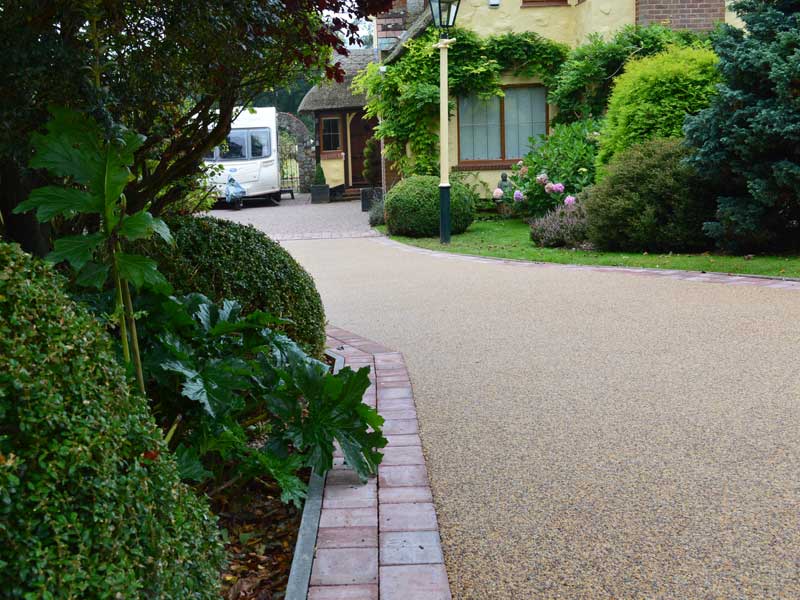
A resin-bound driveway needs regular care to keep its attractive finish. Leaves, soil, vehicle spills and everyday dirt can collect on the surface, particularly around borders and beneath trees. A simple cleaning routine helps you manage these problems before they become harder to remove.
If you are wondering how to clean a resin driveway, start with sweeping and gentle washing. Stronger treatments should only be used when they are suitable for your particular resin system.
This guide covers resin-bound surfaces. For an introduction to their construction and benefits, read our pillar guide, What Is a Resin-Bound Driveway? Everything You Need to Know.
How to Clean a Resin Driveway: Step by Step
1. Check the Surface Before Cleaning
Look over the driveway for loose aggregate, damaged edges or cracks. Note any stained areas so you can treat them separately rather than applying a strong cleaner across the whole driveway.
If you find damage, speak to your installer before pressure washing. Cleaning will not resolve an underlying surface or base problem.
For a newly installed driveway, follow the agreed curing and aftercare instructions before walking, driving or cleaning on it.
2. Sweep Away Leaves and Dirt
Use a suitable outdoor broom to remove leaves, twigs and loose debris. Pay particular attention to borders, areas beneath plants and places where soil collects.
Clear fallen leaves promptly rather than allowing them to sit on the driveway. Decaying organic material can leave marks and encourage unwanted growth.
3. Wash With Clean Water
For routine dirt, a hose and gentle brushing may be enough. Work across manageable sections and rinse away loosened material.
Where detergent is needed, choose a mild product approved for the installed resin system. Follow its dilution instructions and test a discreet area before treating a visible section.
4. Treat Remaining Marks Separately
Identify the likely cause of a stain before selecting a treatment. Oil, algae and mineral marks may need different approaches.
Avoid repeatedly scrubbing with stronger products if a mark remains. Take a photograph and ask your installer for advice instead.
Can You Pressure Wash a Resin Driveway?
Many resin-bound systems permit pressure washing, but the technique matters. Excessive pressure or spraying too close can damage the finish.
Check your system’s aftercare guidance for its pressure limit and recommended nozzle distance. Use a fan spray, keep the lance moving and avoid concentrating the jet on one spot.
For example, Leeson’s published maintenance guidance specifies cold water, a maximum pressure rating of 150 bar and a fan lance held 200mm above the surface. These are system-specific limits, not instructions to use the maximum pressure on every driveway.
Start gently in a discreet area. If stones become dislodged, stop and seek advice.
Removing Common Marks and Growth
Oil and Grease
Deal with spills promptly. Blot up excess liquid without spreading it across the surface, then use a compatible mild detergent or approved degreaser according to the product instructions.
Do not assume a driveway is immune to staining. Older contamination may be harder to remove, and aggressive solvents can damage the resin.
Moss, Algae and Weeds
Check damp, shaded areas for green growth. Regular debris removal helps reduce the conditions in which moss and weeds establish.
Use a moss or algae treatment only after confirming its suitability for your surface. Follow the label carefully and protect nearby planting.
Small surface weeds can often be removed gently by hand. Avoid digging into the resin with sharp tools.
Tyre Marks
Try gentle cleaning before using a specialist treatment. Ask your installer which products are appropriate if the marks persist.
Where practical, avoid turning the steering wheel while the vehicle is stationary on the driveway. This reduces concentrated friction on the surface.
A Practical Resin Driveway Maintenance Routine
The right cleaning frequency depends on your surroundings. A driveway beneath trees may need more attention than an open, sheltered area.
Use these reminders to organise your checks:
| When | What to check |
| During routine garden care | Leaves, soil and debris around borders |
| After a spill | Contamination that needs prompt attention |
| After autumn leaf fall | Remaining organic material and staining |
| Before a deeper clean | Surface condition and product compatibility |
| After cleaning | Any marks or damage needing further advice |
Keep a note of recurring problems. Photographs taken from the same position can help you explain changes to your installer.
Protecting the Surface From Damage
Avoid dragging heavy items across the driveway. Skips, scaffolding and concentrated loads need suitable arrangements rather than being placed directly onto the finish without advice.
During winter, avoid scraping the surface with metal tools or pouring boiling water onto ice. Follow the installed system’s guidance on snow removal and de-icing products.
Do not apply a general driveway sealer simply because the surface looks dull. Any coating or restorative treatment should be compatible with the resin system and recommended for its condition.
When to Ask for Professional Advice
Contact your installer if cleaning reveals loose stones, damaged edges or cracks. Seek advice about persistent staining before trying increasingly aggressive products.
When enquiring, provide a close-up photograph, a wider view and details of the cleaning methods already used. Include the installation date and resin system if you know them.
For help understanding installation options, explore our resin-bound surfacing services.
Frequently Asked Questions
1. What Is the Best Way to Clean a Resin Driveway?
Start by sweeping away loose debris, then wash with clean water and a suitable brush. Treat remaining marks separately using products approved for your resin system. Always follow your installer’s aftercare guidance before using detergents or a pressure washer.
2. Can I Clean a Resin Driveway Without a Pressure Washer?
Yes. Sweeping, gentle brushing and rinsing with a hose can be sufficient for routine dirt. More stubborn marks may need a compatible treatment. Start with the least aggressive method and ask your installer for advice if the surface remains stained.
3. How Often Should I Clean My Resin Driveway?
Clean according to the amount of dirt and debris collecting on the surface. Areas beneath trees or in shade may need closer attention. Clear spills promptly, remove fallen leaves regularly and arrange deeper cleaning when routine washing no longer removes the buildup.
4. Can I Use Bleach on a Resin Driveway?
Do not assume bleach is suitable for every resin driveway. Some manufacturers permit specific treatments, but compatibility and dilution vary. Check your system’s aftercare instructions and the cleaning product label before use. Ask your installer if you cannot identify the surface.
5. Do Resin Driveways Need Sealing?
Follow the guidance for your installed resin system. Some manufacturers offer compatible restorative coatings, but these should not be treated as a universal maintenance requirement. Ask your installer before applying a sealer, particularly if the surface has damage or persistent staining.
6. Can Cleaning Repair a Damaged Resin Driveway?
Cleaning can remove dirt and certain marks, but it cannot repair cracks, loose aggregate or problems beneath the surface. If you notice damage, stop aggressive cleaning and request an assessment. The appropriate solution depends on the cause and extent of the problem.
Planning a Resin Driveway With Dares Surfacing
Understanding maintenance is part of choosing the right driveway. Dares Surfacing provides resin surfacing and other driveway solutions across Devon, Dorset and Somerset.
For the wider picture, read our complete guide to resin-bound driveways, covering the surface before you decide on your project.
Contact Dares Surfacing to discuss your driveway plans and request a quotation.