
26

Aug

How Long Does a Tarmac Driveway Last?

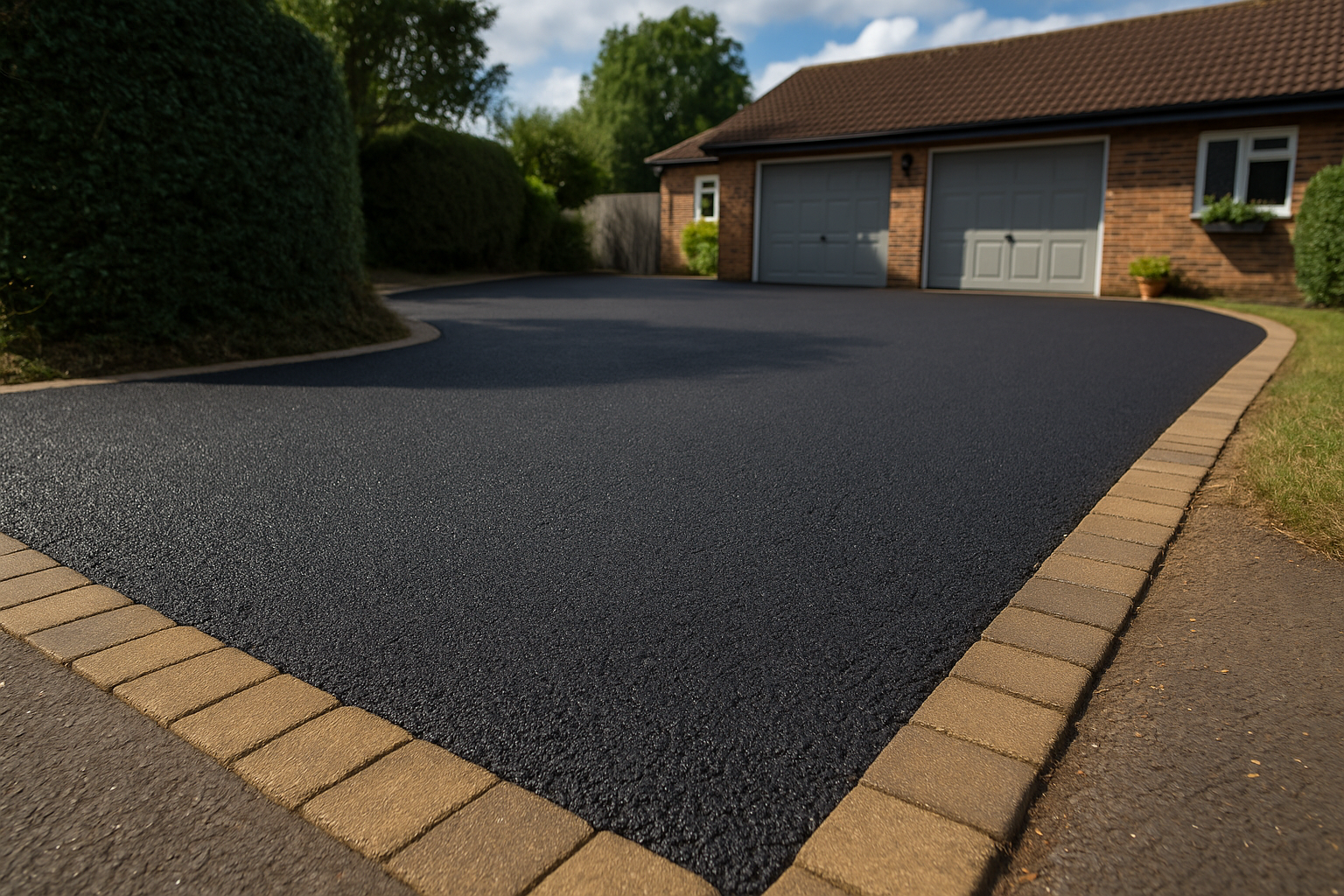
A professionally installed tarmac driveway can provide many years of reliable service, which is one reason tarmac remains such a popular choice for homes across Devon, Dorset and Somerset. But how long does a tarmac driveway last, and what can you do to maximise its lifespan?

As a general guide, a properly installed and maintained tarmac driveway can last 15–20 years or more. Dares Surfacing’s existing guidance states that tarmac driveways can last over 15 years when correctly installed, while other UK industry sources commonly put the expected lifespan at around 15–20 years, with well-maintained installations sometimes lasting longer.

The actual tarmac driveway lifespan depends on several factors, including the quality of the groundwork, drainage, traffic levels and ongoing maintenance.

What Is the Average Tarmac Driveway Lifespan?

For most residential properties, you can expect a professionally installed tarmac driveway to last approximately 15–20 years. With good groundwork, appropriate drainage and regular care, it may continue performing beyond this timeframe.

There isn’t one fixed lifespan for every driveway. A lightly used domestic driveway with a strong sub-base may remain in excellent condition considerably longer than a surface regularly subjected to heavy vehicles.

The important distinction is between cosmetic ageing and structural failure. A driveway can fade or develop minor signs of wear without needing complete replacement.

What Affects the Lifespan of a Tarmac Driveway?

Several factors determine whether your tarmac reaches or exceeds its expected lifespan.

1. Quality of the Ground Preparation

A durable tarmac driveway starts underneath the visible surface.

The ground needs to be properly excavated and prepared before a suitable sub-base is installed and compacted. A stable foundation helps distribute vehicle loads and reduces the likelihood of movement, sinking and cracking.

Inadequate preparation can significantly shorten the life of even a good-quality surface. UK guidance consistently identifies sub-base preparation as one of the most important factors affecting tarmac longevity.

This is why choosing an experienced contractor is important when considering a new driveway.

2. Drainage

Water is one of the biggest threats to the long-term condition of an external surface.

Poor drainage can allow water to collect in depressions or penetrate damaged areas. Over time, this can contribute to deterioration of both the tarmac and the supporting layers underneath.

A professionally designed driveway should therefore consider how rainwater will move away from the surface and surrounding property.

Good drainage is particularly important in the South West, where driveways need to cope reliably with periods of wet weather.

3. Amount and Type of Traffic

How you use your driveway also affects its lifespan.

An average family driveway used by one or two cars will generally experience less stress than a driveway regularly carrying vans, delivery vehicles or other heavy traffic.

If heavier vehicles are expected, the driveway should be designed accordingly. Correctly specifying the base and surface for anticipated traffic can help prevent premature deterioration.

4. Installation Quality

The tarmac driveway lifespan isn’t determined by the material alone.

Correct preparation, appropriate materials, effective compaction, drainage and attention to edges all contribute to the finished driveway’s durability.

Professional installation can therefore make a significant difference to how a driveway performs over the following years.

At Dares Surfacing, we provide professional tarmacing services for driveways and other surfaces throughout Devon, Dorset and Somerset.

How Can You Extend the Lifespan of a Tarmac Driveway?

Tarmac is relatively low maintenance, but that doesn’t mean it should be completely ignored.

A few straightforward steps can help protect your driveway:

  • Keep the surface clear of leaves, soil and debris.
  • Remove weeds and organic growth before they become established.
  • Keep drainage channels and outlets clear.
  • Address small cracks or damaged edges promptly.
  • Avoid allowing persistent fuel or chemical spills to remain on the surface.
  • Consider an appropriate sealant or maintenance treatment when recommended by a surfacing professional.

Dares Surfacing’s local driveway guidance also notes that applying a suitable sealant can help protect the surface from the elements and extend its useful life.

The key is early intervention. A small area of damage is usually much easier to address before water and traffic turn it into a larger problem.

What Are the Signs a Tarmac Driveway Needs Repair or Resurfacing?

Age alone doesn’t determine whether a driveway needs replacing.

Instead, look at its overall structural condition. Common warning signs include:

  • Widespread or recurring cracks
  • Crumbling or breaking edges
  • Loose surface material
  • Areas that have sunk or become uneven
  • Persistent puddles or drainage problems
  • Potholes
  • Significant deterioration across large areas

Minor defects don’t necessarily mean you need an entirely new driveway. Depending on the condition of the existing surface and foundation, targeted repairs or resurfacing may be possible.

An experienced surfacing contractor can inspect the driveway and determine the most suitable approach.

Can You Resurface an Old Tarmac Driveway?

Sometimes.

If the existing driveway and its underlying structure remain stable, resurfacing may provide a practical way to restore its appearance and performance without completely rebuilding it.

However, simply covering serious structural problems with another layer of tarmac isn’t a long-term solution. If the existing base is unstable, badly damaged or suffering from drainage problems, those issues should be addressed first.

The best solution therefore depends on the condition of the individual driveway rather than its age alone.

Is Tarmac a Good Long-Term Choice for UK Driveways?

For many homeowners, yes.

Tarmac combines durability with a clean appearance, relatively quick installation and low maintenance requirements. It can also accommodate a wide variety of residential and commercial applications.

Dares Surfacing uses tarmac for domestic driveways as well as private roads, car parks, forecourts and other heavily trafficked areas.

For homeowners comparing different options, alternatives include resin bound surfacing, block paving and concrete surfacing. The best choice will depend on factors such as appearance, drainage requirements, intended use and budget.

Frequently Asked Questions About Tarmac Driveway Lifespan

How long does a tarmac driveway last in the UK?

A professionally installed tarmac driveway will commonly last around 15–20 years, with some well-installed and well-maintained surfaces lasting longer.

Can a tarmac driveway last 20 years?

Yes. A tarmac driveway can reach 20 years or more when the groundwork, installation and drainage are appropriate and the surface is looked after. Dares Surfacing’s Somerset guidance notes that correctly installed and maintained tarmac driveways can last 20 years or more.

What shortens a tarmac driveway’s lifespan?

Poor groundwork, inadequate drainage, heavy loads that the driveway wasn’t designed for, neglected cracks and general lack of maintenance can all contribute to premature deterioration.

Does sealing tarmac extend its lifespan?

An appropriate sealant can help protect a tarmac surface from weathering. Dares Surfacing recommends discussing suitable treatments based on the age and condition of the driveway rather than assuming every surface needs the same maintenance programme.

Should I repair or replace an old tarmac driveway?

It depends on the extent of the damage. Localised cracks or worn areas may be repairable, while widespread structural movement, potholes, drainage problems or a failing sub-base may make more substantial resurfacing or replacement appropriate.

Make Your Tarmac Driveway Last

So, how long does a tarmac driveway last? For most homeowners, a sensible expectation is around 15–20 years, with the potential for a longer service life when the driveway is properly designed, installed and maintained.

The foundations matter just as much as the surface you can see. Quality groundwork, effective drainage, appropriate materials and professional installation can all contribute to a longer tarmac driveway lifespan.

If you’re considering a new tarmac driveway or want advice about an existing surface, contact Dares Surfacing today. We provide professional tarmac surfacing solutions across Devon, Dorset and Somerset and can recommend an approach suited to your property and how the surface will be used.
 

13

Jul

12 Block Paving Ideas for Driveways

A well-designed driveway is more than just a place to park your vehicle , it’s one of the first things visitors notice about your property. Choosing the right block paving driveway can dramatically improve kerb appeal, increase property value, and provide a long-lasting surface that stands up to daily use.

With a wide range of colours, patterns, and finishes available, block paving offers homeowners complete flexibility to create a driveway that suits both traditional and modern properties. Whether you’re planning a new installation or replacing an existing surface, these ideas will help inspire your next project.

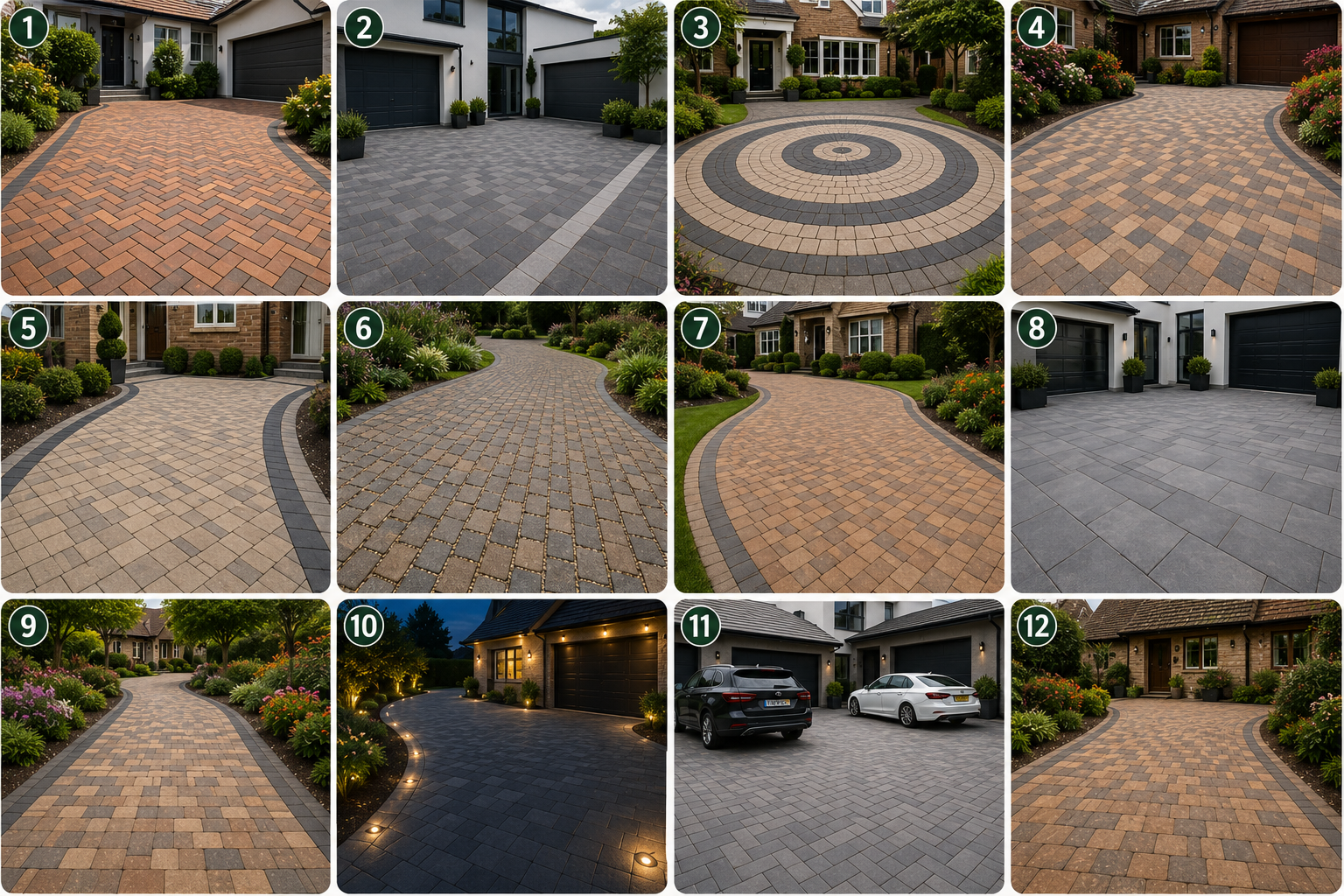
1. Classic Herringbone Pattern

The herringbone pattern remains one of the most popular choices for block paving driveways. Its interlocking design provides exceptional strength, making it ideal for areas that experience frequent vehicle traffic.

Benefits include:

  • Excellent durability
  • Timeless appearance
  • Strong resistance to movement

This pattern complements both modern and period homes.

2. Contemporary Grey Block Paving

Grey block paving has become increasingly popular for contemporary homes. Shades such as charcoal, silver, and graphite create a clean, sophisticated appearance while pairing beautifully with white render, brick, or natural stone.

Adding contrasting edging can further enhance the finished design.

Introduce a striking focal point by incorporating a circular motif into the centre of your driveway.

This feature:

  • Creates visual interest
  • Adds a premium finish
  • Works particularly well on larger driveways

Decorative circles can be combined with contrasting block colours for maximum impact.

4. Mixed Colour Block Paving

Rather than choosing a single colour, consider blending complementary shades.

Popular combinations include:

  • Charcoal and silver
  • Buff and brindle
  • Autumn mix
  • Natural sandstone tones

Mixed colours help disguise dirt and tyre marks while creating a more natural appearance.

5. Contrasting Borders

Borders frame your driveway and provide a professional finish.

Popular edging choices include:

  • Charcoal borders with light paving
  • Soldier course edging
  • Double border designs
  • Raised kerbs

Borders also help retain the paving and clearly define the driveway edges.

6. Permeable Block Paving

Sustainable drainage is becoming increasingly important for homeowners.

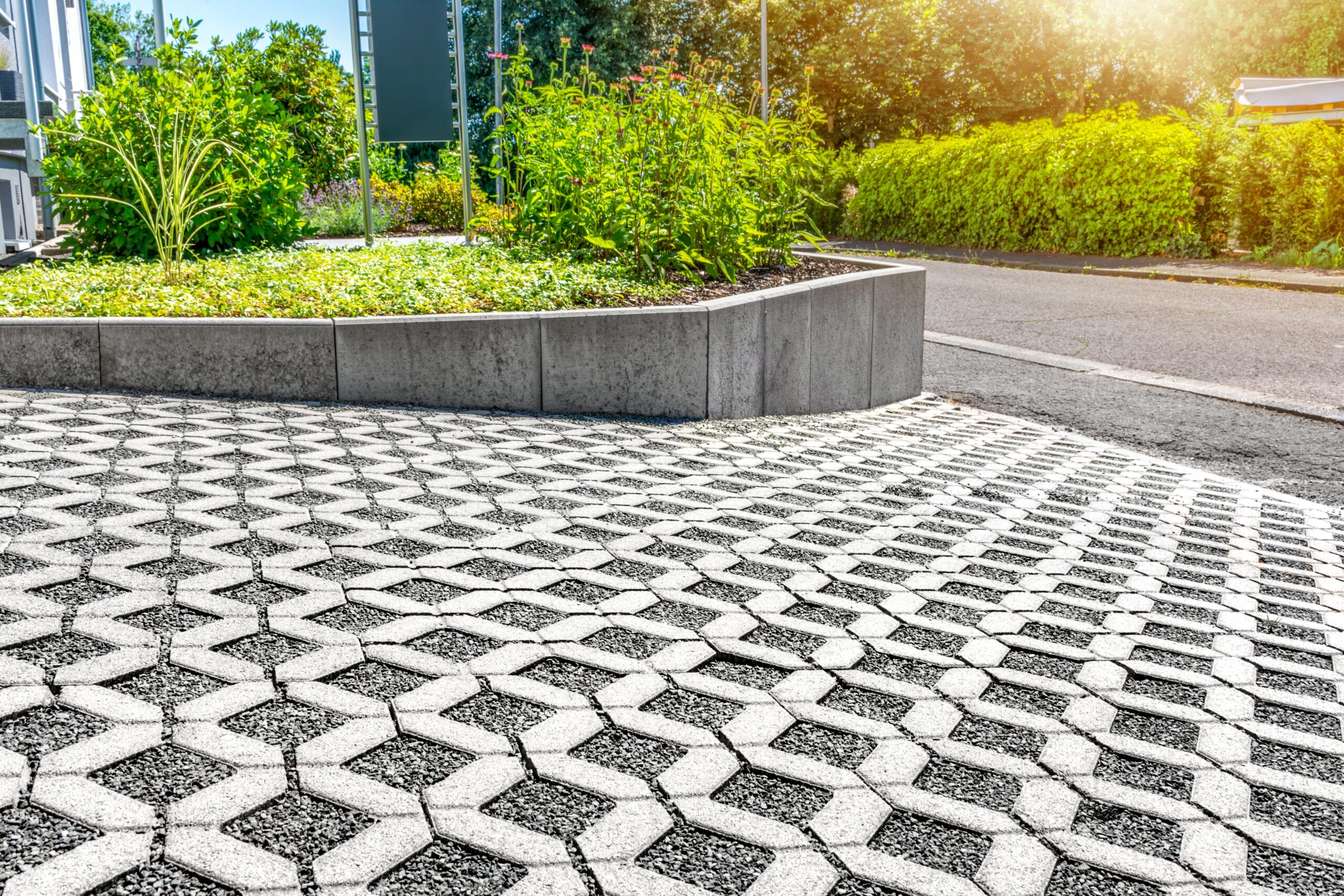
Permeable block paving allows rainwater to drain naturally through specially designed joints, reducing surface water and helping prevent puddles and flooding.

It is both environmentally friendly and practical.

7. Curved Driveway Designs

Not every driveway needs straight lines.

Gentle curves can soften the appearance of your front garden while creating a more welcoming entrance. Curved layouts work especially well with landscaped gardens and wider properties.

8. Large Block Pavers

Larger paving blocks create a sleek, contemporary appearance.

Benefits include:

  • Modern aesthetics
  • Faster installation
  • Cleaner visual lines
  • Reduced jointing

They’re an excellent choice for minimalist home designs.

9. Block Paving with Decorative Landscaping

Combining paving with carefully planned landscaping creates a balanced outdoor space.

Consider adding:

  • Flower beds
  • Decorative gravel
  • Trees
  • Raised planters
  • Lawn borders

These features soften hard surfaces while enhancing kerb appeal.

10. Driveway Lighting

Integrated lighting improves both appearance and safety.

Popular options include:

  • LED edging lights
  • Bollard lighting
  • Recessed driveway lights
  • Solar pathway lighting

Lighting creates an impressive entrance while making your driveway easier to use after dark.


11. Multi-Car Driveways

For larger households, block paving provides an excellent solution for creating practical parking areas.

Designing with multiple vehicles in mind ensures:

  • Easier access
  • Improved turning space
  • Better organisation
  • Increased property value

Different laying patterns can help visually separate parking bays.

12. Rustic Traditional Block Paving

Tumbled block paving recreates the appearance of aged stone, making it perfect for cottages and period properties.

Its weathered finish blends naturally with traditional brickwork, timber features, and countryside homes.

What Makes a Strong Driveway Design?

A successful driveway combines practicality with attractive design. Rather than focusing solely on appearance, it’s important to create a surface that performs well throughout the year while complementing your property.

When planning your block paving driveway, consider the following:

Choose the Right Materials and Colours

Select paving blocks that complement your home’s architecture and surrounding landscaping. Coordinating colours create a seamless look, while contrasting tones can add character and definition.

Create a Layout That Works

The shape and pattern of your driveway should enhance both functionality and appearance. Consider vehicle access, available space, and how the driveway connects with pathways, garages, and entrances.

Prioritise Effective Drainage

Proper drainage helps prevent standing water, reduces maintenance, and extends the lifespan of your driveway. Permeable paving or well-planned drainage channels can effectively manage rainfall.

Add Defined Edging

Quality edging gives your driveway a clean, finished appearance while helping to keep paving blocks securely in place. It also creates a barrier that discourages weeds from spreading into the paved area.

Incorporate Landscaping and Lighting

Enhance your driveway with planting, decorative borders, or outdoor lighting. These finishing touches improve kerb appeal, increase safety after dark, and create a welcoming entrance to your home.

Why Choose Block Paving?

Block paving remains one of the UK’s most popular driveway solutions because it offers:

  • Outstanding durability
  • Low maintenance requirements
  • Excellent drainage options
  • Wide choice of colours and styles
  • Easy repairs by replacing individual blocks
  • Long-lasting value for homeowners

Professionally installed block paving can last for decades while maintaining its attractive appearance.

Conclusion

A thoughtfully designed block paving driveway can completely transform the appearance and functionality of your property. From classic herringbone patterns and contrasting borders to permeable paving and integrated lighting, there are countless ways to create a driveway that reflects your style while delivering lasting performance.

Whether you’re renovating an existing driveway or starting a new project, investing in quality materials and professional installation will ensure a surface that enhances your home’s kerb appeal for years to come.

If you’re looking for expert block paving solutions across Devon, Dorset, and Somerset, contact Dares Surfacing today to discuss your project and receive a free, no-obligation quotation.

Frequently Asked Questions

1. What is the best pattern for a block paving driveway?

The herringbone pattern is widely regarded as the strongest option because its interlocking design distributes vehicle weight evenly, reducing movement and providing excellent long-term durability for residential driveways.

2. How long does a block paving driveway last?

A professionally installed block paving driveway can last over 25 years with proper maintenance. Regular cleaning, occasional re-sanding, and sealing help preserve its appearance and structural integrity.

3. Is block paving better than tarmac?

Block paving offers greater design flexibility, easier repairs, and improved kerb appeal compared to tarmac. It also provides numerous colour and pattern options to suit different property styles.

4. Does block paving require much maintenance?

Block paving requires relatively little maintenance. Sweeping, occasional pressure washing, removing weeds, and replacing kiln-dried sand when necessary will keep the driveway looking attractive for many years.

5. Can weeds grow between block paving?

Weeds can occasionally appear in surface joints if airborne seeds settle. Regular cleaning, re-sanding, and applying suitable weed prevention treatments help minimise growth and maintain a neat appearance.

6. Does block paving increase property value?

An attractive block paving driveway can improve kerb appeal, provide practical parking, and make a positive first impression, helping to increase your property’s overall desirability and potential market value.

22

Jun

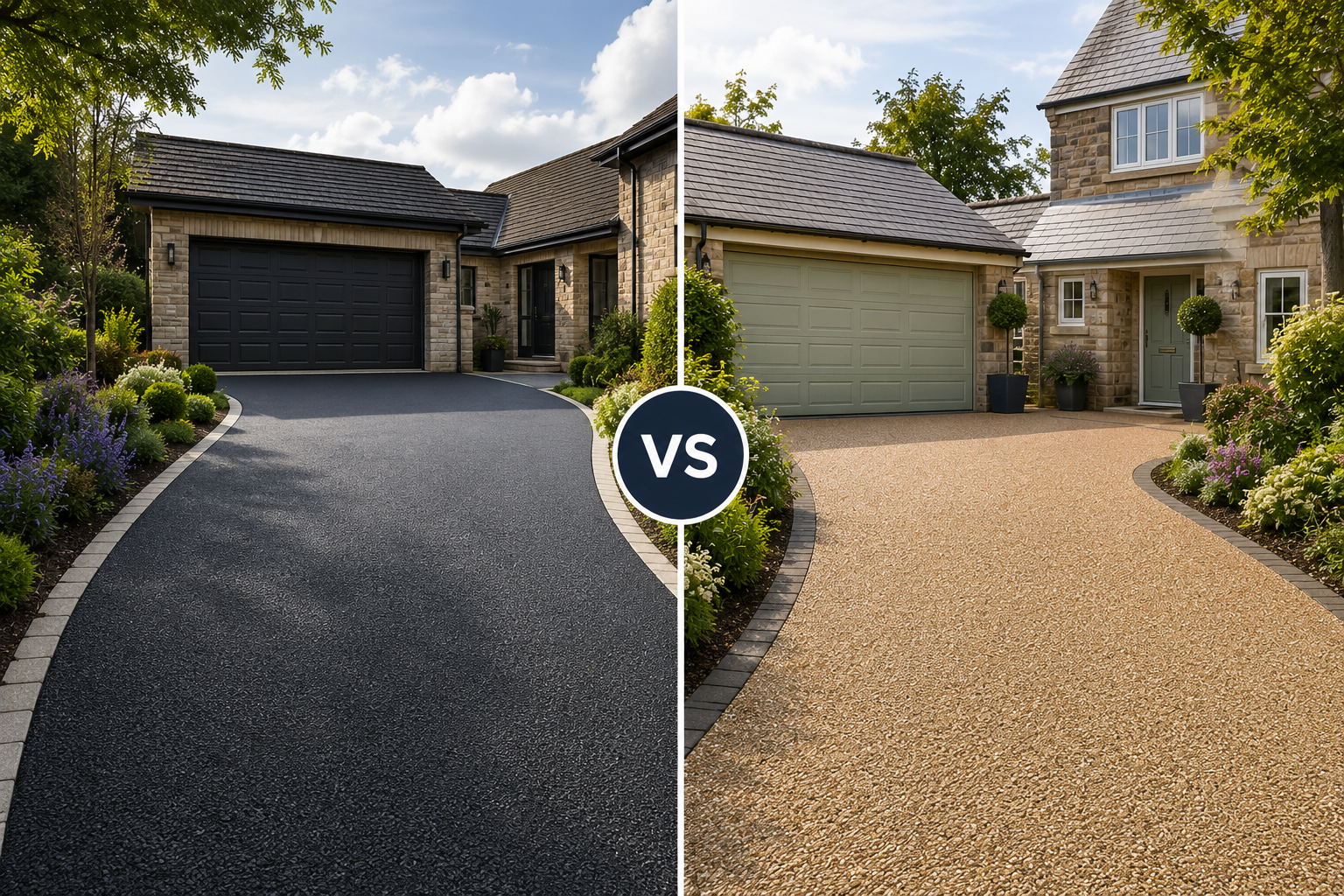
Tarmac vs Resin Driveway: Which Surface Is Right for Your Driveway?

Choosing the right driveway material is an important investment that can improve your property’s appearance, functionality and long-term value. If you’re comparing a tarmac vs resin driveway, you’re not alone. Both materials are popular across Devon, Dorset and Somerset, offering different advantages depending on your budget, style preferences and maintenance expectations.

In this comprehensive driveway material comparison, we’ll explore the key differences between tarmac and resin bound surfacing, helping you decide which is the best driveway surface for your home.

What Is a Tarmac Driveway?

Tarmac (short for tarmacadam) has been a trusted surfacing solution for decades. It’s widely used for residential driveways, roads, car parks and commercial premises due to its durability and cost-effectiveness.

A professionally installed tarmac driveway creates a smooth, hard-wearing surface that can withstand daily vehicle traffic and changing weather conditions.

Advantages of Tarmac

  • Excellent durability and strength
  • Generally more affordable than resin
  • Fast installation process
  • Easy to repair if damaged
  • Ideal for high-traffic driveways

For homeowners seeking practicality and long-lasting performance, tarmac remains an excellent option.

What Is a Resin Bound Driveway?

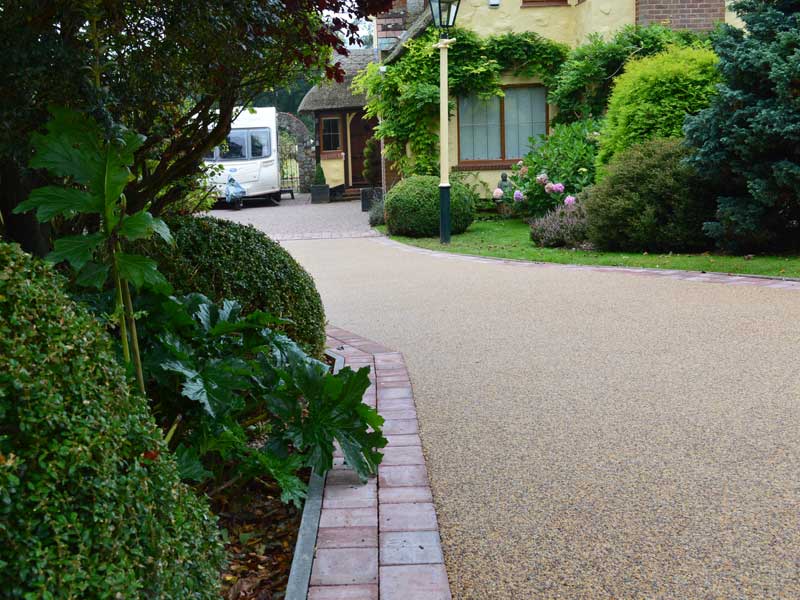
Resin bound surfacing combines natural aggregates with a clear UV-stable resin to create a seamless, decorative finish. The result is a highly attractive driveway available in a wide range of colours and stone blends.

Its permeability also makes it increasingly popular where sustainable drainage is a priority.

Advantages of Resin Bound Surfacing

  • Attractive premium appearance
  • Wide choice of colours and finishes
  • Permeable surface allows water to drain naturally
  • Resistant to weeds and puddles
  • Low maintenance requirements

For homeowners focused on kerb appeal and contemporary design, resin bound surfacing offers significant aesthetic benefits.

Tarmac vs Resin Driveway: Cost Comparison

Budget is often one of the first considerations when selecting a driveway material.

Tarmac

Tarmac is typically one of the more economical surfacing options. Installation costs are generally lower due to simpler materials and quicker installation times.

It also offers excellent value over its lifespan because repairs are relatively straightforward and affordable.

Resin

Resin bound driveways usually involve a higher initial investment because of the premium aggregates, specialist resin and skilled installation required.

However, many homeowners view this additional cost as worthwhile due to the enhanced appearance and long-term visual appeal.

When carrying out a driveway material comparison, it’s important to weigh upfront costs against long-term value rather than focusing solely on the installation price.

Installation Time

The speed of installation can influence your decision, particularly if access to your property is limited.

Tarmac Installation

One of tarmac’s biggest advantages is efficiency. In many cases, installation can be completed quickly, with curing times allowing use within a relatively short period.

This makes it a practical solution for busy households.

Resin Installation

Resin bound systems often require careful preparation and favourable weather conditions. Existing bases may need assessment before installation, and curing times can vary depending on temperature and humidity.

Although installation may take slightly longer, the finished result provides a premium appearance that many homeowners appreciate.

Drainage Considerations

Modern drainage regulations increasingly influence driveway choices.

Tarmac Drainage

Traditional tarmac surfaces are generally impermeable, meaning rainwater runs off rather than filtering through the surface. Additional drainage solutions may be required depending on site conditions and local planning requirements.

Resin Bound Drainage

Resin bound surfacing is naturally porous when installed correctly over an appropriate base. Water drains through the surface and into the ground beneath, reducing standing water and supporting Sustainable Drainage Systems (SuDS).

For many properties, this permeability is a major selling point.

Durability and Longevity

Both materials are designed to withstand years of daily use, but they perform differently under certain conditions.

Tarmac Durability

Tarmac is exceptionally robust and flexible, coping well with vehicle loads and temperature fluctuations. It performs particularly well in high-use environments and can often last many years with routine maintenance.

Small cracks or damage can usually be repaired without replacing the entire driveway.

Resin Durability

Resin bound surfaces are also highly durable when professionally installed. UV-stable resins resist fading, while the aggregate finish remains visually appealing for many years.

Heavy impacts or poor installation can affect longevity, making experienced workmanship especially important.

Maintenance Requirements

Every homeowner wants a driveway that’s easy to maintain.

Looking After Tarmac

Maintenance is generally minimal and may include:

  • Occasional cleaning
  • Weed removal around edges
  • Minor repairs if cracks develop
  • Resealing when appropriate

Regular inspections help maximise lifespan.

Looking After Resin

Resin driveways require simple routine care such as:

  • Sweeping away debris
  • Occasional pressure washing (at suitable settings)
  • Removing moss or algae if necessary
  • Avoiding oil spills where possible

Because the surface discourages weed growth, maintenance demands are often lower than many traditional alternatives.

Kerb Appeal and Design Flexibility

Visual appearance is where resin often stands apart.

Tarmac Appearance

Tarmac provides a clean, uniform black finish that suits both traditional and modern properties. While edging options and decorative borders can enhance the final design, colour choices are limited.

For homeowners prioritising practicality over aesthetics, this simplicity can be a positive.

Resin Appearance

Resin bound surfacing offers outstanding design flexibility.

Homeowners can choose from:

  • Natural stone blends
  • Contemporary grey tones
  • Warm golden finishes
  • Contrasting borders
  • Bespoke patterns and features

Its premium finish often enhances overall property presentation and can contribute positively to resale value.

Which Is the Best Driveway Surface?

The answer depends on your priorities.

Choose tarmac if you want:

  • Cost-effective installation
  • Exceptional durability
  • Quick completion
  • Easy future repairs
  • Proven long-term performance

Choose resin bound surfacing if you value:

  • Superior kerb appeal
  • Modern decorative finishes
  • Permeable drainage
  • Low maintenance
  • Custom design options

Ultimately, the best driveway surface is one that matches your property’s needs, budget and personal style.

Final Thoughts

When comparing a tarmac vs resin driveway, there is no universal winner. Both materials provide excellent performance when professionally installed, but they excel in different areas.

If affordability, resilience and practicality are your priorities, tarmac remains a reliable choice. If aesthetics, drainage and customisation are more important, resin bound surfacing offers an impressive premium solution.

Before making your decision, it’s worth consulting experienced surfacing specialists who can assess your property and recommend the most suitable option based on your specific requirements.

Contact Dares Surfacing today to discuss your driveway project and discover whether tarmac or resin surfacing is the ideal solution for your home across Devon, Dorset or Somerset.

26

May

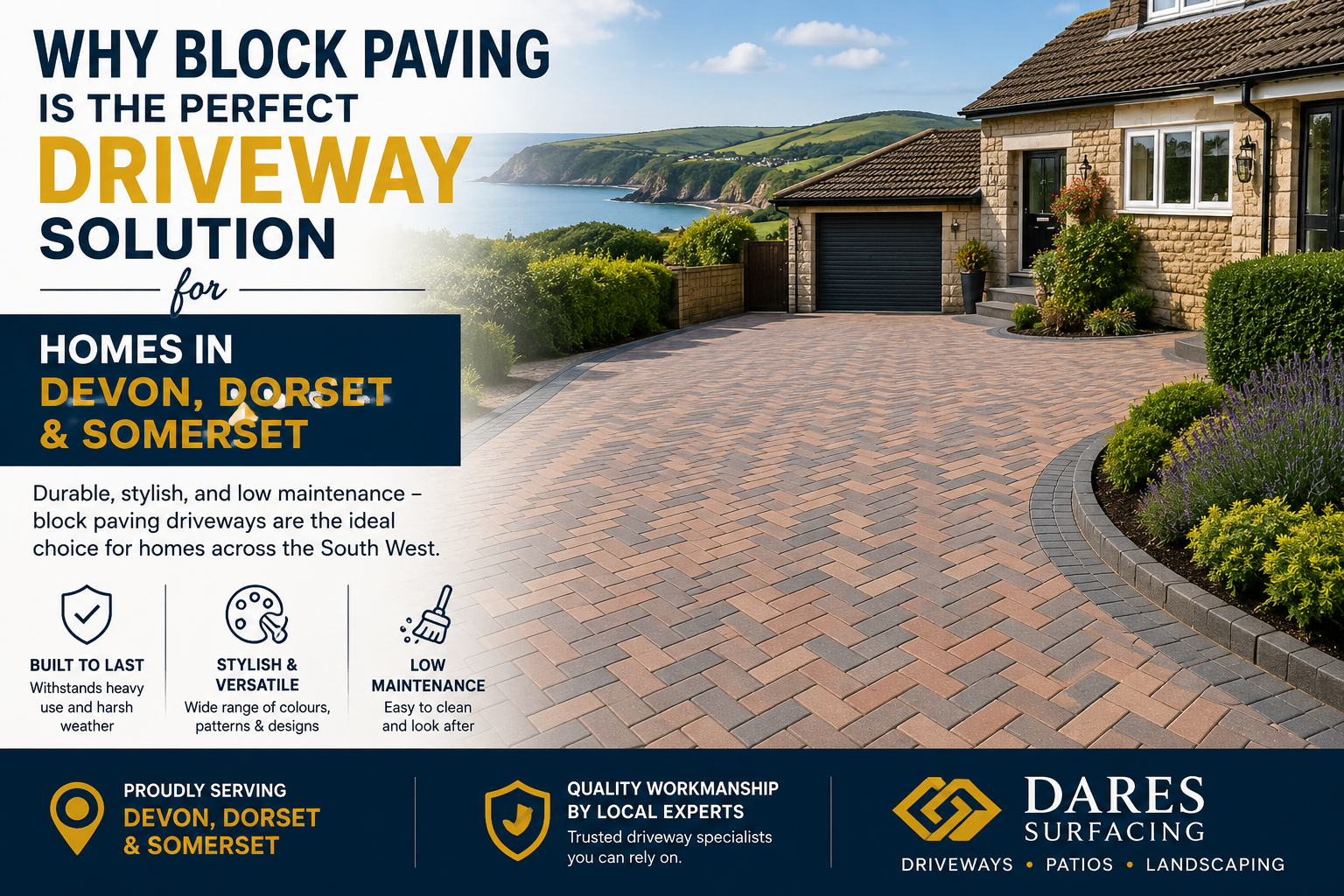
Why Block Paving Is the Perfect Driveway Solution for Homes in Devon, Dorset & Somerset

Introduction

Choosing the right driveway surface is one of the most important decisions homeowners can make when improving their property. A professionally installed block paving driveway not only enhances kerb appeal but also provides a durable, practical, and long-lasting surface for everyday use.

Across Devon, Dorset, and Somerset, block paving has become one of the most popular driveway solutions thanks to its versatility, aesthetic appeal, and ease of maintenance. Whether you own a modern home or a traditional countryside property, block paving can be customised to complement your exterior perfectly.

At Dares Surfacing, we specialise in high-quality block paving installations designed to withstand the British climate while delivering exceptional visual appeal.

What Is Block Paving?

Block paving consists of individual bricks or blocks laid in carefully designed patterns to create a strong and decorative surface. It is commonly used for:

  • Driveways
  • Patios
  • Garden pathways
  • Car parks
  • Courtyard areas

One of the biggest advantages of block paving is the huge variety of colours, textures, and laying patterns available. Popular patterns include herringbone, basketweave, and stretcher bond, allowing homeowners to create a completely bespoke finish.

Why Homeowners Choose Block Paving

Outstanding Durability

Block paving is designed to withstand heavy vehicle traffic and regular use. When installed correctly with a solid sub-base, it can last for decades with minimal issues.

Concrete block paving products are engineered for strength and weather resistance, making them ideal for UK conditions.

For homeowners in Devon, Dorset, and Somerset, where weather conditions can vary significantly throughout the year, durability is essential.

Attractive Kerb Appeal

Your driveway is often the first thing visitors notice about your property. A professionally installed block paving driveway creates a clean, premium appearance that can significantly improve the overall look of your home.

Modern block paving designs can complement:

  • Traditional cottages
  • Contemporary homes
  • Rural properties
  • Coastal homes
  • New-build developments

A stylish driveway may even help increase property value by improving first impressions and enhancing usability.

Low Maintenance Benefits

One reason block paving remains so popular is its relatively low maintenance requirements.

Routine maintenance typically includes:

  • Occasional pressure washing
  • Brushing kiln-dried sand into joints
  • Removing weeds when necessary
  • Periodic sealing for added protection

Unlike some driveway materials, individual damaged blocks can easily be replaced without redoing the entire surface.

This makes block paving a highly cost-effective long-term investment.

Drainage and Sustainable Solutions

Modern driveway installations must consider drainage regulations and surface water management.

Permeable block paving systems allow rainwater to drain naturally through the surface into the ground below, helping reduce runoff and minimise flood risks. Sustainable Drainage Systems (SuDS) are becoming increasingly important across the UK.

For many homeowners, permeable block paving can also help avoid planning permission requirements for new driveways.

At Dares Surfacing, we can advise on the best drainage solutions for your property and ensure all installations meet current regulations.

Popular Block Paving Styles

Traditional Tumbled Blocks

These create a rustic, aged appearance perfect for older homes and countryside properties.

Contemporary Smooth Paving

Modern smooth-finish blocks suit newer properties and create a sleek, clean aesthetic.

Permeable Block Paving

An environmentally friendly option that improves drainage while maintaining visual appeal.

Mixed Colour Designs

Combining colours and borders can create a truly bespoke driveway design that stands out.

Common Mistakes to Avoid

Installing block paving correctly is essential for long-term performance. Poor installation can lead to:

  • Sinking blocks
  • Weed growth
  • Drainage issues
  • Surface movement
  • Cracking and unevenness

Experts consistently highlight inadequate preparation and poor drainage as two of the biggest driveway mistakes homeowners make.

Choosing an experienced surfacing contractor ensures your driveway is built on a strong foundation and finished to the highest standards.

Why Choose Dares Surfacing?

At Dares Surfacing, we provide professional block paving solutions across Devon, Dorset, and Somerset.

We pride ourselves on delivering:

  • Expert workmanship
  • High-quality materials
  • Bespoke driveway designs
  • Reliable project management
  • Competitive pricing

Whether you want a brand-new driveway or a complete property transformation, our experienced team can help bring your vision to life.

Wrapping Up

Block paving continues to be one of the best driveway solutions for UK homeowners thanks to its durability, versatility, and visual appeal. With countless design possibilities and long-lasting performance, it is an excellent investment for properties throughout Devon, Dorset, and Somerset.

When professionally installed, a block paving driveway can transform your home’s exterior while providing a practical surface built to last.

Contact Dares Surfacing today to learn more about our professional block paving services and request a free quotation.

23

Apr

Do You Need Planning Permission for a New Driveway?

Introduction

Installing or replacing a driveway is a popular home improvement across the UK, but many homeowners are unaware that certain projects may fall under planning permission for driveways regulations. Depending on the materials used and how surface water is managed, you could either proceed freely or require approval from your local council.

Understanding driveway regulations in the UK is essential before starting any work. From tarmac and block paving to resin and concrete surfaces, each option may have different compliance considerations especially when it comes to drainage.

In this guide, we’ll explain when permission is needed, what exemptions apply, and how to stay compliant with driveway drainage rules to avoid costly mistakes.

When Do You Need Planning Permission for a Driveway?

In many cases, homeowners can install or replace a driveway without formal planning permission. However, permission is typically required if:

  • The new driveway uses non-permeable materials and water drains onto the public road
  • Surface water is not directed to a permeable area such as a lawn or soakaway
  • The driveway exceeds certain size thresholds or involves major alterations to access onto a main road
  • You live in a listed building or conservation area with stricter planning controls

Local councils are particularly focused on preventing surface water runoff, which can contribute to flooding. This is where driveway drainage rules become especially important.

Driveway Regulations UK Homeowners Should Know

UK driveway regulations are mainly governed by permitted development rights, which allow certain projects without planning permission. However, these rights come with conditions.

One key rule is that if you are laying a driveway larger than 5m² using traditional impermeable materials (such as standard concrete or tarmac), you must ensure proper drainage is in place.

To comply with driveway regulations UK, your surface must:

  • Allow water to drain naturally into the ground, OR
  • Direct water to a permeable area within your property boundary

This is why many homeowners now choose modern surfacing solutions that naturally comply with regulations.

At Dares Surfacing, we often recommend permeable systems such as resin-bound surfaces that meet drainage requirements while maintaining a high-end finish.

Driveway Drainage Rules Explained

Understanding driveway drainage rules is crucial before choosing your materials. The goal is simple: prevent water from running off your property into roads or neighbouring land.

There are three main compliant drainage methods:

1. Permeable Surfaces

Materials like resin-bound gravel or permeable block paving allow water to pass through the surface naturally into the ground below.

2. Soakaways

These are underground drainage systems designed to collect and slowly disperse rainwater within your property.

3. Channel Drains

Installed along the edge of the driveway, these collect excess water and redirect it safely into a drainage system or garden area.

Failing to meet these drainage requirements could result in enforcement action from your local authority, especially in high-risk flood zones.

Which Driveway Materials Are Exempt from Planning Permission?

Some driveway materials are more likely to comply with permitted development rules without requiring planning permission.

Resin Surfacing

Resin-bound systems are highly permeable, making them one of the most compliant options for modern driveways. They combine aesthetics with excellent drainage performance.

Permeable Block Paving

Designed with gaps that allow water to drain naturally, this option is both practical and visually appealing.

Gravel Driveways

A traditional choice that naturally allows water to pass through, though it requires edging to maintain structure.

Tarmac and Concrete

These materials are typically impermeable unless paired with proper drainage systems such as soakaways or channel drains.

For homeowners wanting a low-maintenance solution, resin surfacing is often the most straightforward way to meet regulations while achieving a premium finish.

Common Mistakes Homeowners Make

Many planning permission issues arise due to avoidable mistakes, such as:

  • Installing impermeable surfaces without drainage planning
  • Extending driveway size without checking local restrictions
  • Ignoring conservation area requirements
  • Assuming “like-for-like” replacements are always exempt

Even small oversights can lead to compliance issues, so it’s always worth checking before work begins.

How to Stay Compliant and Avoid Planning Issues

To ensure your project complies with driveway regulations UK, follow these best practices:

  • Choose permeable materials where possible
  • Always plan drainage before installation
  • Check local council guidance for your area
  • Work with experienced surfacing contractors

Professional installation is especially important, as incorrect gradients or drainage setup can lead to long-term water damage or regulatory issues.

At Dares Surfacing, we ensure every project is designed with compliance and durability in mind, giving homeowners peace of mind from start to finish.

Wrapping Up

Understanding planning permission for driveways, along with key driveway drainage rules and driveway regulations UK, is essential before starting any surfacing project. While many driveways fall under permitted development, drainage compliance is often the deciding factor.

Choosing the right materials and installation method can help you avoid planning issues altogether while improving the appearance and functionality of your property.

If you’re planning a new driveway or resurfacing an existing one, Dares Surfacing can help you select the right solution for both compliance and style.

Contact Dares Surfacing today to learn more about our driveway surfacing solutions across Devon, Dorset, and Somerset.

Frequently Asked Questions 

1. Do I need planning permission for a driveway?

In most cases, you do not need planning permission for a driveway in the UK if it uses permeable materials or has proper drainage that prevents surface water from running onto roads or neighbouring properties.

2. When is planning permission required for a driveway?

Planning permission is usually required when impermeable surfaces are installed without adequate drainage, when water runs onto the highway, or if the property is listed, in a conservation area, or subject to local restrictions.

3. What are driveway drainage rules in the UK?

Driveway drainage rules in the UK require surface water to be managed within your property using permeable materials, soakaways, or drainage channels, preventing runoff onto roads, pavements, or neighbouring land to reduce flooding risk.

4. Which driveway materials are exempt from permission?

Permeable materials such as resin-bound surfaces, gravel, and permeable block paving are typically exempt from planning permission, as they allow water to drain naturally through the surface into the ground below without causing runoff issues.

5. Does tarmac need planning permission?

Tarmac may require planning permission if it is impermeable and lacks proper drainage systems. However, if paired with suitable soak aways or channel drains, it can often comply with UK driveway regulations and permitted development rights.

6. What happens if I ignore driveway regulations?

Ignoring driveway regulations can result in enforcement action from your local council, including requirements to remove or alter the driveway, fines, and potential issues with property drainage leading to flooding or legal complications later eventually.

7. How can Dares Surfacing help with compliance?

Dares Surfacing ensures driveway installations meet UK planning permission and drainage rules by using compliant materials, professional installation techniques, and tailored solutions that prevent runoff while delivering durable, attractive, and long-lasting surfacing results for homeowners.

13

Mar

Post-Winter Driveway Care: Essential Tips to Prepare for Spring

Introduction

Winter weather can take a toll on your driveway. From frost damage to weed growth and surface stains, it’s crucial to assess and restore your surface as the seasons change. This post-winter driveway cleaning and repair guide offers practical driveway maintenance tips to help you prepare for spring in the UK, ensuring your surface stays functional and attractive.

Inspect Your Driveway for Winter Damage

Start by carefully checking for signs of winter wear:

  • Cracks and potholes: Freeze-thaw cycles can expand existing cracks or create new ones.
  • Surface staining: Salt, debris, and water runoff often leave unsightly marks.
  • Weeds and moss: Moist conditions encourage growth in joints and edges.

Early detection allows for timely repairs and prevents minor issues from becoming costly problems.

Thorough Driveway Cleaning

Cleaning your driveway is a fundamental first step in spring maintenance. For general driveway cleaning:

  • Use a pressure washer to remove grime, algae, and moss.
  • Apply a driveway-friendly detergent for deeper cleaning.
  • Scrub oil or fuel stains with a degreasing agent.

Resin Driveway Cleaning Tips

Resin-bound surfaces require a gentler approach:

  • Use a medium-pressure hose instead of a jet washer.
  • Avoid harsh chemicals; opt for mild soapy water.
  • Sweep regularly to prevent debris buildup.

Regular resin driveway cleaning not only improves appearance but also extends lifespan.

Remove Weeds and Treat Edges

Post-winter is prime time to deal with unwanted growth:

  • Pull weeds by hand or use a weed removal tool for deeper roots.
  • Apply a residual herbicide to prevent regrowth.
  • Trim back bordering grass or plants encroaching on the surface.

This not only boosts kerb appeal but also protects your driveway’s structural integrity.

Resealing Your Driveway

Resealing is one of the most effective ways to maintain your surface, especially after a harsh winter. Benefits include:

  • Protection: Shields against moisture, UV rays, and surface erosion.
  • Appearance: Restores colour and finish.
  • Durability: Helps prevent cracking and fading.

Depending on the surface (asphalt, block paving, or resin), choose the appropriate sealant. It’s best to reseal on a dry day with mild temperatures.

Best Driveway Maintenance Products for Spring

Here are some recommended products to assist your spring maintenance routine:

  • Driveway cleaner: Eco-friendly and suitable for all surfaces.
  • Crack filler: For patching small imperfections.
  • Joint sand or compound: Ideal for block paving.
  • Weed control solution: Long-lasting and pet-safe options available.

Using the right tools ensures more effective and long-lasting results.

Wrapping Up

Taking the time to clean, repair, and reseal your driveway after winter not only enhances its look but also adds years to its lifespan. With these driveway maintenance tips, you can ensure your surface is ready for the months ahead.

Need help with post-winter driveway care? 

Contact Dares Surfacing today for expert advice and professional maintenance services across Devon, Dorset, and Somerset.

Frequently Asked Questions

1. Why is post-winter driveway maintenance important?


Winter conditions such as frost, heavy rain, and road salt can damage driveway surfaces. Post-winter maintenance helps identify cracks, remove stains, and prevent further deterioration. Regular upkeep keeps your driveway safe, visually appealing, and extends its lifespan before heavier spring and summer use.

2. How do I check my driveway for winter damage?


Start by inspecting the surface for cracks, potholes, loose blocks, or areas of sinking. Look for stains, moss, and weeds forming between joints. Catching these issues early allows you to repair them quickly, preventing larger structural problems and costly driveway repairs later.

3. What is the best way to clean a driveway after winter?


Begin by sweeping away loose debris, leaves, and dirt. Use a pressure washer with a driveway-safe detergent to remove grime, algae, and moss. For stubborn stains like oil or fuel, apply a degreasing cleaner and gently scrub the affected areas.

4. How should resin-bound driveways be cleaned?


Resin-bound driveways require gentle cleaning to protect the surface. Use a medium-pressure hose rather than a powerful jet washer. Clean with mild soapy water and a soft brush if needed, and sweep regularly to prevent leaves, dirt, and debris from building up.

5. How can I stop weeds and moss growing on my driveway?


Remove weeds by hand or with a weed removal tool to ensure roots are fully removed. Apply a suitable residual herbicide to prevent regrowth. Regular sweeping and trimming back nearby plants also helps reduce moisture buildup that encourages weed growth.

6. When should I reseal my driveway after winter?


The best time to reseal a driveway is during dry weather with mild temperatures in spring. Resealing protects against moisture, UV damage, and wear while restoring colour and appearance. Always choose a sealant designed for your specific driveway surface.

7. Can professional driveway maintenance help extend its lifespan?


Yes, professional maintenance can significantly extend the life of your driveway. Experts can carry out deep cleaning, repair cracks, reseal surfaces, and address structural issues early. Professional care ensures your driveway remains durable, safe, and visually attractive for years to come.

18

Feb

New Resin Bound Colour Trends & Finishes: What’s Trending in 2026

How Driveway Aesthetics Are Evolving Across the South West

Driveways are no longer just practical spaces to park your car , they’re a key feature of modern driveway design. Across Devon, Dorset, and Somerset, homeowners are embracing new resin bound colour trends that combine durability with contemporary style. In 2026, resin surfacing is all about subtle textures, natural tones, and finishes that elevate kerb appeal while increasing property value.

At Dares Surfacing, we’ve seen a clear shift in design preferences. Homeowners want surfaces that complement their property’s architecture while offering low maintenance and long-term performance. This guide explores the most popular resin finish ideas and colour palettes shaping driveways across the South West.


Resin Bound Colour Trends Defining Modern Driveway Design in 2026

The biggest resin bound colour trends this year are inspired by nature and minimalism. Homeowners are choosing tones that blend seamlessly with landscaped gardens, stone façades, and countryside surroundings.

1. Warm Natural Neutrals

Soft beige, sandstone, and warm buff blends are leading choices for modern driveway design. These shades pair beautifully with traditional cottages and contemporary new builds alike. Popular options include:

  • Golden quartz blends
  • Cream and caramel mixes
  • Light granite tones

These resin finish ideas create a welcoming entrance while maintaining a clean, modern aesthetic.

2. Cool Greys & Charcoal Finishes

Grey remains a dominant force in resin bound colour trends, but in 2026 it’s more refined. Homeowners are moving towards:

  • Mid-tone silvers
  • Blue-grey aggregates
  • Deep charcoal with subtle sparkle

These finishes complement aluminium doors, black window frames, and minimalist landscaping hallmarks of modern driveway design.

3. Two-Tone Borders & Detailing

Driveways are becoming more design-led. Contrasting borders in darker aggregates help frame the space and add visual structure. This approach enhances resin finish ideas while improving definition and practicality.

For example, pairing a light silver driveway with a charcoal border creates a striking yet sophisticated look.

Textured & Decorative Resin Finish Ideas

Colour isn’t the only trend shaping modern driveway design. Texture and layout patterns are gaining popularity across the South West.

Decorative Patterns & Edging

Homeowners are requesting:

  • Circular motifs
  • Pathway inlays
  • Brick or block edging for contrast

Combining resin with block paving services adds character and improves drainage transitions.

Seamless Indoor-Outdoor Flow

One emerging resin bound colour trend is extending the same aggregate blend from driveway to pathways and patios. This cohesive design approach creates a unified, high-end appearance.

If you’re considering a full property upgrade, combining resin with tarmacing solutions for larger areas can provide both practicality and visual harmony.

Why Resin Surfacing Is Leading Modern Driveway Design

Resin bound systems continue to outperform traditional materials in both appearance and longevity.

Permeability & Sustainability

Resin bound surfaces are SuDS-compliant, allowing water to drain naturally. With increasing environmental awareness in Devon, Dorset, and Somerset, this is a major factor influencing resin bound colour trends.

Low Maintenance Appeal

Unlike block paving, resin doesn’t encourage weed growth between joints. Occasional sweeping and power washing keep it looking fresh—an attractive feature for busy homeowners.

Long-Term Value

A professionally installed resin driveway can last 15–20 years or more. Investing in contemporary resin finish ideas not only enhances aesthetics but can also boost property resale value.


Popular Resin Colour Choices Across Devon, Dorset & Somerset

At Dares Surfacing, we’ve noticed regional preferences emerging:

  • Devon: Coastal-inspired greys and sandy tones
  • Dorset: Warm countryside blends and natural stone effects
  • Somerset: Modern charcoal and silver combinations

These localised resin bound colour trends reflect architectural styles and environmental surroundings unique to the South West.


Choosing the Right Resin Finish Ideas for Your Property

Selecting the perfect finish involves more than following trends. Consider:

  • Property style (traditional vs contemporary)
  • Roof and brickwork colour
  • Landscaping and garden features
  • Lighting conditions

Viewing physical aggregate samples in natural daylight helps ensure your chosen resin bound colour trends align with your vision.


Installation Matters: Why Professional Expertise Is Essential

Even the best resin finish ideas can fail without proper installation. Base preparation, correct mixing ratios, and weather conditions all influence performance.

Dares Surfacing provides expert resin installation across Devon, Dorset, and Somerset. Our team ensures:

  • Proper sub-base preparation
  • Smooth, even application
  • Durable, UV-stable finishes
  • Long-lasting, crack-resistant surfaces

Learn more about our professional resin surfacing services and how we deliver outstanding results tailored to your property.


Conclusion: Elevate Your Home with the Latest Resin Bound Colour Trends

The evolution of resin bound colour trends in 2026 reflects a growing desire for elegant, low-maintenance, and environmentally conscious surfaces. From warm natural tones to contemporary charcoals, today’s modern driveway design focuses on cohesion, texture, and long-term value.

By choosing the right resin finish ideas and working with experienced professionals, you can transform your driveway into a standout feature that enhances kerb appeal and increases property value.

Contact Dares Surfacing today to explore our resin surfacing solutions and discover the perfect finish for your home in Devon, Dorset, or Somerset.

FAQs

1. What are the most popular resin bound colour trends in 2026?

The most popular resin bound colour trends include warm natural neutrals, mid-tone greys, and deep charcoals. Homeowners are favouring subtle, earthy blends that complement landscaping and exterior finishes. Two-tone borders and decorative detailing are also trending, adding definition and a modern touch to driveway designs.

2. How long does a resin bound driveway last?

A professionally installed resin bound driveway can last between 15 and 20 years, sometimes longer with proper maintenance. Longevity depends on base preparation, installation quality, and usage levels. Regular cleaning and occasional power washing help preserve appearance and structural integrity over time.

3. Are resin bound driveways permeable?

Yes, resin bound systems are permeable and SuDS-compliant. Water drains through the surface into the ground below, reducing surface runoff and minimising puddles. This makes resin an environmentally friendly choice and often eliminates the need for additional drainage planning permission.

4. Do resin driveways require much maintenance?

Resin driveways are low maintenance compared to block paving or gravel. They do not have joints where weeds can grow. Occasional sweeping and annual power washing are typically enough to maintain their appearance and prevent debris buildup.

5. Can I customise my resin finish design?

Yes, there are many resin finish ideas available, including custom colour blends, contrasting borders, patterns, and decorative inlays. Homeowners can choose aggregates that complement their property style, creating a unique and personalised driveway surface.

6. Is resin suitable for both modern and traditional homes?

Resin is highly versatile and works well with both modern driveway design and traditional properties. Natural stone blends complement cottages and rural homes, while sleek greys and charcoals suit contemporary architecture. The wide range of colours allows complete design flexibility.

7. Does resin surfacing increase property value?

A professionally installed resin driveway can enhance kerb appeal and potentially increase property value. Its clean appearance, durability, and low maintenance qualities make it attractive to prospective buyers, especially when aligned with current resin bound colour trends.

24

Nov

How to Choose the Best Driveway Materials for Your Home

Introduction: Choosing the Best Driveway Materials for Your Home

Your driveway plays a big role in your home’s appearance, durability, and value. Choosing the best driveway materials isn’t just about looks, it’s about finding a surface that performs well, suits your lifestyle, and fits your budget.

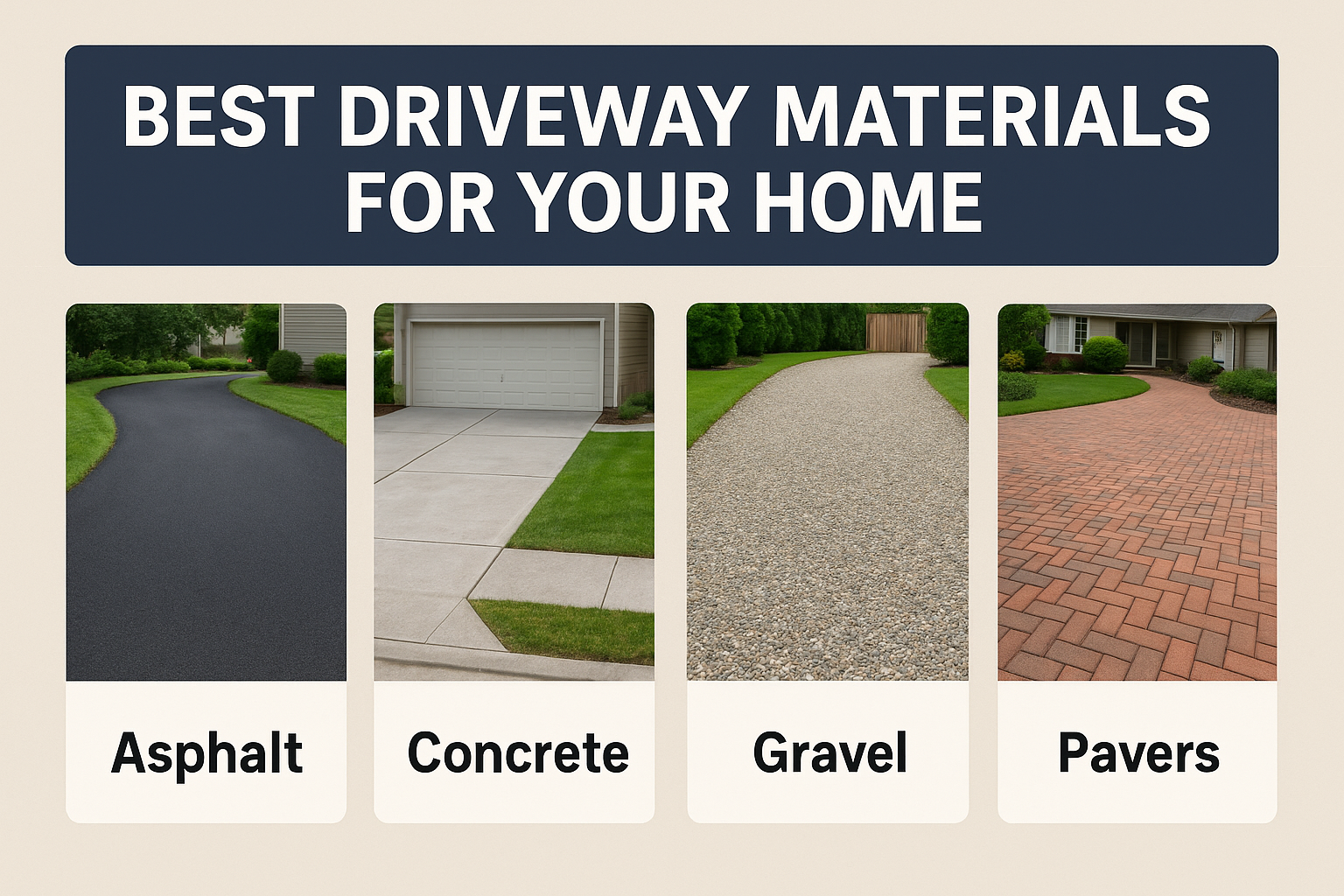
Homeowners across the UK often choose between tarmac, block paving, resin-bound, and gravel surfaces. Each has distinct benefits, costs, and maintenance levels. In this guide, we’ll help you understand which option could be the best driveway material for your property.

1. Tarmac Driveways: A Classic and Cost-Effective Choice

When it comes to reliable, hard-wearing driveway materials, tarmac is a top contender. It’s been a go-to surface for decades and remains a favourite across Devon, Dorset, and Somerset for its practicality and price.

Pros

  • Affordable: One of the most cost-effective driveway materials to install.
  • Durable: Handles heavy vehicles and daily wear with ease.
  • Low Maintenance: Simple to repair and easy to clean.
  • Weather Resistant: Performs well in the UK’s variable climate.

Cons

  • Limited Design Options: Fewer colour and style choices compared to resin or block paving.
  • Heat Sensitive: Can soften in extreme heat.
  • Requires Skilled Installation: Poor preparation can lead to cracks or puddles.

2. Block Paving: Stylish and Versatile Driveway Design

If you’re comparing tarmac vs block paving, aesthetics are where block paving wins. This option allows homeowners to design unique patterns, creating a premium look that complements any home style.

Pros

  • Customisable: Wide choice of colours, patterns, and finishes.
  • Easy Repairs: Individual bricks can be replaced if damaged.
  • Enhances Kerb Appeal: Adds value and visual appeal to your property.

Cons

  • Cost: Typically more expensive than tarmac or gravel.
  • Maintenance: May require sealing and regular weeding between joints.
  • Drainage: Needs proper sub-base preparation to avoid water pooling.

👉 Explore our Block Paving Solutions for stunning and durable driveways.

3. Resin-Bound Driveways: Modern, Seamless, and Low Maintenance

If you want a contemporary and long-lasting driveway, resin surfacing could be the best driveway material for you. Its smooth, seamless finish offers both style and performance.


Pros

  • Attractive Finish: Creates a polished look with a range of aggregate colours.
  • Permeable: Allows rainwater to drain naturally — ideal for eco-conscious homes.
  • Minimal Maintenance: Resistant to weeds and cracking.
  • Durable: Lasts up to 20 years when installed correctly.

Cons

  • Installation Cost: Slightly higher initial investment.
  • Colour Fading: May lighten over time with UV exposure.
  • Professional Installation Required: DIY kits rarely achieve the same quality finish.

👉 Learn about our Resin Surfacing Services for sleek, modern driveways.

4. Gravel Driveways: Traditional and Budget-Friendly

When comparing resin-bound vs gravel driveways, gravel stands out for its rustic charm and affordability. It’s a great choice for countryside homes and large driveways.

Pros

  • Low Cost: One of the cheapest driveway materials available.
  • Natural Drainage: Gravel is naturally permeable, reducing surface water.
  • Quick Installation: Can be laid efficiently with minimal groundwork.
  • Traditional Appeal: Offers a classic look that suits rural properties.

Cons

  • Maintenance: Needs regular raking and topping up.
  • Loose Stones: Can scatter onto pathways or roads.
  • Weed Growth: Without proper membranes, weeds may appear.

5. Comparing the Best Driveway Materials: Quick Overview

Material Durability Appearance Maintenance Permeable
Tarmac ★★★★☆ ★★☆☆☆ Low No
Block Paving ★★★★☆ ★★★★★ Medium Partial
Resin ★★★★★ ★★★★★ Low Yes
Gravel ★★★☆☆ ★★★☆☆ High Yes

Every material offers its own blend of benefits. If you’re looking for durability and value, tarmac or resin are excellent choices. For a decorative finish, block paving is ideal. For a low-cost, traditional surface, gravel remains popular among UK homeowners.

6. Factors to Consider When Choosing the Best Driveway Materials

When deciding on the best driveway materials for your property, consider these factors:

  • Budget: Resin and block paving cost more but last longer and enhance appearance.
  • Aesthetic Goals: Choose materials that complement your home’s style.
  • Traffic Levels: Tarmac and resin are better for high-traffic or multi-car driveways.
  • Drainage Needs: Permeable options like resin or gravel are ideal in wet climates.
  • Maintenance Preference: If you want minimal upkeep, tarmac or resin surfaces are best.

7. Which is the Best Driveway Surface for Your Home?

When comparing tarmac vs block paving or resin-bound vs gravel driveways, the right choice depends on your priorities.

  • For affordability and durability, tarmac is ideal.
  • For style and sophistication, block paving stands out.
  • For modern, low-maintenance appeal, resin is unbeatable.
  • For traditional charm on a budget, gravel is a timeless choice.

At Dares Surfacing, we help homeowners across Devon, Dorset, and Somerset choose the best driveway materials to enhance their property’s appearance and performance.

Conclusion: Create Your Perfect Driveway with Dares Surfacing

Selecting the best driveway materials for your home is about balancing beauty, function, and value. Whether you prefer the sleek finish of resin, the character of block paving, or the strength of tarmac, each option offers something unique.

At Dares Surfacing, our experienced team provides professional installation and expert guidance on all types of driveways UK homeowners love.

👉 Contact Dares Surfacing today to discover the best driveway materials for your home and get a free, no-obligation quote

29

Oct

Tarmacing Explained: Cost, Drying Times, Moss Removal & More

What Is Tarmac and How Is It Made?

Tarmac, short for tarmacadam, is a surfacing material made by binding crushed stone with bitumen (a by-product of petroleum refining). It was popularised in the early 20th century after being developed from techniques by Scottish engineer John Loudon McAdam.

Today, tarmac is widely used for driveways, private roads, car parks, and paths due to its affordability, durability, and quick installation time. It’s a popular choice for both domestic and commercial surfaces.


Is Tarmac Permeable?

Tarmac is not naturally permeable, which means water doesn’t pass through it. This is an important factor when considering planning permission for new driveways.

In many parts of the UK, new driveways over 5m² must have adequate drainage to prevent water runoff into public roads. However, drainage systems such as soakaways, gullies, or permeable base layers can be added during installation to meet these requirements.

For projects needing compliance with SUDS (Sustainable Urban Drainage Systems), alternative surfaces like resin-bound surfacing may be recommended.


Tarmac vs Asphalt: What’s the Difference?

While often used interchangeably, tarmac and asphalt are not the same:

Feature Tarmac Asphalt
Binder Bitumen + aggregate Bitumen + sand & aggregate
Texture Slightly rougher Smoother finish
Common Uses Driveways, private roads Highways, motorways
Durability Good for domestic use Excellent for heavy traffic

In short, tarmac is more cost-effective for residential driveways, while asphalt is designed for high-load, high-traffic areas like roads and car parks.

Looking for a robust surface for your home or business? Explore our
tarmacing services.

How Much Does It Cost to Tarmac a Driveway?

The cost to tarmac a driveway varies depending on:

  • Size of the area
  • Ground preparation required
  • Location/access
  • Waste removal
  • Drainage requirements

Average UK Tarmacing Costs:

  • Per square metre: £45–£70+ (incl. labour & materials)
  • Per tonne (supply only): £100–£130
  • Typical driveway (50m²): £2,500–£3,500

Tarmac remains one of the most cost-effective surfacing solutions available. It’s quicker to lay and less expensive than options like block paving or resin.


How Long Does Tarmac Take to Dry and Set?

After installation, tarmac dries within 24–48 hours depending on weather and temperature. However, it can take up to 28 days to fully cure and harden.

Usage Timeline:

  • Walkable: After 12–24 hours
  • Driveable: After 48 hours
  • Fully cured: 2–4 weeks

Avoid parking heavy vehicles on your new tarmac during the first week, and try to prevent tight turning which could cause scuffing.


How to Remove Moss from Tarmac

Moss, algae, and lichen can grow on tarmac surfaces, especially in shaded or damp areas. Not only is it unsightly, but it can also make the surface slippery.

Prevention Tips:

  • Ensure good drainage
  • Trim overhanging trees/bushes
  • Use a driveway sealant for added protection

Removal Methods:

  • Pressure washing (with care to avoid damage)
  • Moss killer spray (biodegradable and pet-safe options available)
  • Manual scrubbing with a stiff brush and diluted bleach or vinegar

For stubborn infestations, professional cleaning may be the most effective solution.


What Is Tarmac Made Of?

Tarmac is made from:

  • Bitumen: a viscous liquid from crude oil
  • Aggregate: crushed stones of varying sizes

These components are heated, mixed, and applied hot. Once spread and compacted, the material sets into a hard, weatherproof surface.


Who Invented Tarmac?

While John McAdam is credited with inventing the road-building method known as “macadam,” modern tarmac was patented in 1902 by Edgar Purnell Hooley. He added tar to the macadam mix, creating a more durable and dust-free surface — and tarmacadam (tarmac) was born.


Should You Choose Tarmac for Your Driveway?

Tarmac is ideal for homeowners and businesses looking for:

  • A cost-effective surfacing solution
  • Fast installation with minimal disruption
  • A durable surface that withstands UK weather

With proper drainage and occasional maintenance, a tarmac driveway can last 15–20 years or more.

Interested in a professional installation? Learn more about our expert
tarmacing services and request a free quote.

Final Thoughts

Tarmacing remains one of the most practical, versatile, and affordable driveway solutions in the UK. Whether you’re comparing tarmac to asphalt, wondering about moss removal, or calculating costs, this guide has you covered.

For quality workmanship, local expertise, and honest pricing, trust Dares Surfacing to deliver your next driveway or surfacing project to the highest standard.


Related Services:

Serving Devon, Dorset & Somerset with professional surfacing solutions.

23

Sep

What Is a Resin-Bound Driveway? Everything You Need to Know

Introduction

If you’re considering a new driveway that’s both stylish and durable, resin-bound driveways are worth a closer look. Increasingly popular across the UK, resin driveways offer a sleek, low-maintenance alternative to traditional materials like tarmac or block paving. In this guide, we’ll explore exactly what resin-bound driveways are, how they’re installed, and the key advantages they offer.

What Is a Resin-Bound Driveway?

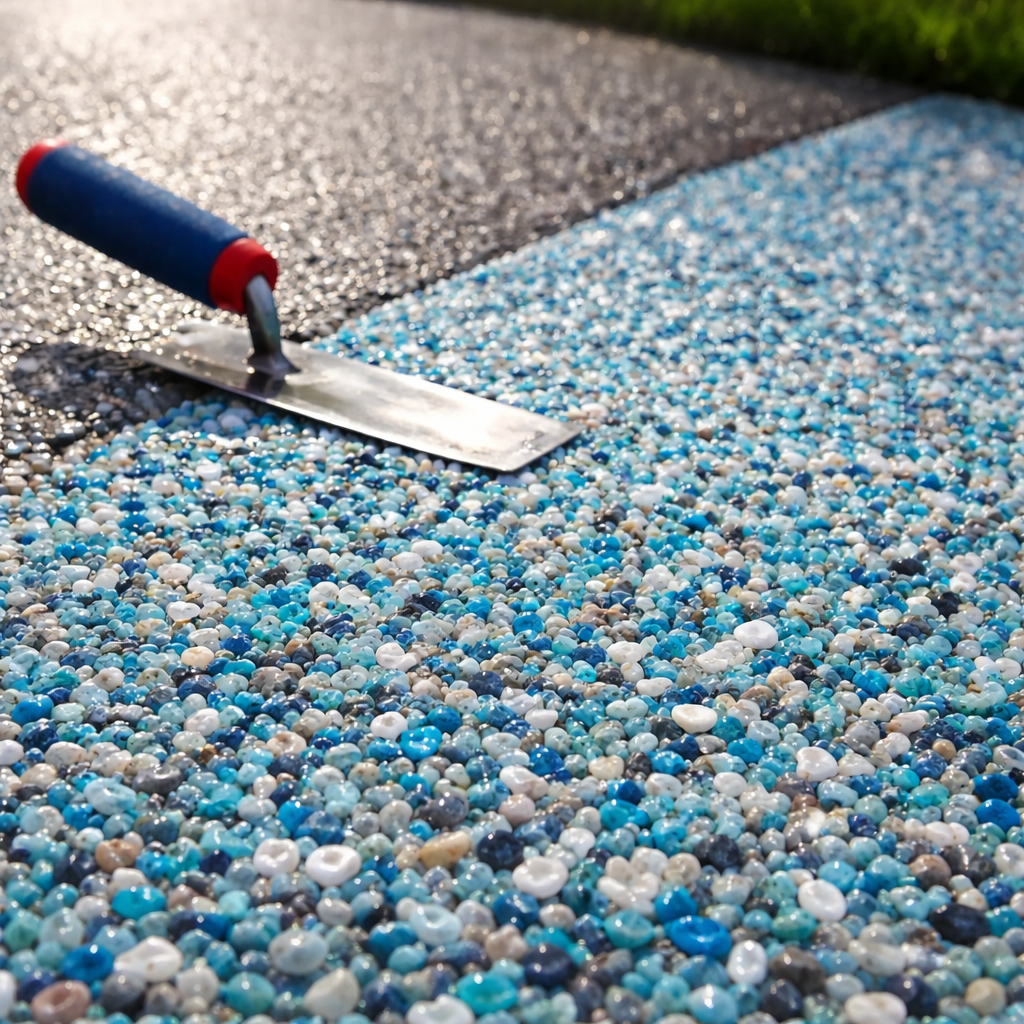
A resin-bound driveway is a type of surfacing solution that combines natural aggregate stones with a clear UV-stable resin. The mixture is thoroughly blended before being laid onto a prepared surface, creating a smooth, seamless finish.

Unlike resin-bonded surfaces (where stones are scattered on top of resin), resin-bound driveways are fully permeable, allowing water to drain through. This makes them compliant with Sustainable Urban Drainage Systems (SuDS)—ideal for avoiding puddles and complying with UK planning regulations.

How Resin-Bound Driveways Are Made and Maintained

Here’s a complete guide to resin-bound driveway installation:

1. Preparation

The base is typically constructed from tarmac or concrete. Any cracks or uneven areas are repaired to create a stable foundation.

2. Priming the Surface

A primer may be applied to improve the bond between the base and the resin mix.

3. Mixing

Aggregate and resin are blended in a forced action mixer to ensure even coating of every stone.

4. Application

The mixture is poured onto the surface and spread evenly using a trowel. Installers work quickly to achieve a consistent finish before the resin starts to set.

5. Curing Time

Depending on the temperature and resin type, the driveway will be ready for foot traffic within 4–6 hours and for vehicles in 24 hours.

6. Maintenance

Resin-bound driveways are easy to maintain. Regular sweeping and occasional power washing are usually enough to keep them looking pristine.

Benefits of Resin Driveways

Wondering why so many homeowners are switching to resin surfacing? Here are the top benefits of resin driveways:

resin bound driveways

  • Permeable Surface – Allows water to drain through naturally, reducing runoff and standing water.

  • Durable and Long-Lasting – Resistant to cracking, frost, and weeds.

  • Low Maintenance – No loose stones, easy to clean.

  • Customisable Appearance – Choose from a wide range of aggregate colours and finishes.

  • Eco-Friendly Option – Uses natural materials and reduces the need for drainage systems.

If you’re weighing up your options, it’s also worth looking at the pros and cons of resin driveways in the UK:

  • ✔ Pros: Aesthetic appeal, permeability, longevity.

  • ❌ Cons: Upfront installation cost, must be installed on a solid sub-base, not suitable for heavy industrial use.

Is a Resin Driveway Right for You?

Whether you’re upgrading an old driveway or planning a new build, a resin driveway installation offers a sleek, reliable solution that enhances kerb appeal. It’s an ideal choice for homeowners seeking a modern, practical surface that can withstand the British weather.

Why Choose Dares Surfacing for Resin Driveways?

At Dares Surfacing, we specialise in resin-bound driveway installations across Devon, Dorset, and Somerset. Our experienced team ensures a flawless finish and uses only high-quality, UV-stable resin and aggregates for long-lasting results.

Conclusion

A resin-bound driveway is a smart investment that combines beauty, function, and sustainability. With the right installation and minimal maintenance, it can enhance your property for years to come.

Ready to transform your driveway?
👉 Contact Dares Surfacing today to learn more about our professional resin surfacing solutions in Devon, Dorset, and Somerset.