
23

Apr

Do You Need Planning Permission for a New Driveway?

Introduction

Installing or replacing a driveway is a popular home improvement across the UK, but many homeowners are unaware that certain projects may fall under planning permission for driveways regulations. Depending on the materials used and how surface water is managed, you could either proceed freely or require approval from your local council.

Understanding driveway regulations in the UK is essential before starting any work. From tarmac and block paving to resin and concrete surfaces, each option may have different compliance considerations especially when it comes to drainage.

In this guide, we’ll explain when permission is needed, what exemptions apply, and how to stay compliant with driveway drainage rules to avoid costly mistakes.

When Do You Need Planning Permission for a Driveway?

In many cases, homeowners can install or replace a driveway without formal planning permission. However, permission is typically required if:

  • The new driveway uses non-permeable materials and water drains onto the public road
  • Surface water is not directed to a permeable area such as a lawn or soakaway
  • The driveway exceeds certain size thresholds or involves major alterations to access onto a main road
  • You live in a listed building or conservation area with stricter planning controls

Local councils are particularly focused on preventing surface water runoff, which can contribute to flooding. This is where driveway drainage rules become especially important.

Driveway Regulations UK Homeowners Should Know

UK driveway regulations are mainly governed by permitted development rights, which allow certain projects without planning permission. However, these rights come with conditions.

One key rule is that if you are laying a driveway larger than 5m² using traditional impermeable materials (such as standard concrete or tarmac), you must ensure proper drainage is in place.

To comply with driveway regulations UK, your surface must:

  • Allow water to drain naturally into the ground, OR
  • Direct water to a permeable area within your property boundary

This is why many homeowners now choose modern surfacing solutions that naturally comply with regulations.

At Dares Surfacing, we often recommend permeable systems such as resin-bound surfaces that meet drainage requirements while maintaining a high-end finish.

Driveway Drainage Rules Explained

Understanding driveway drainage rules is crucial before choosing your materials. The goal is simple: prevent water from running off your property into roads or neighbouring land.

There are three main compliant drainage methods:

1. Permeable Surfaces

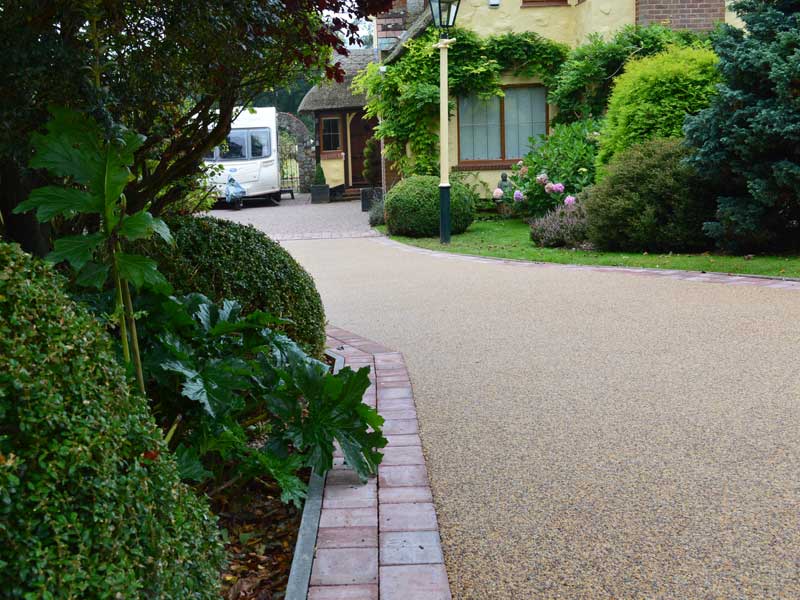
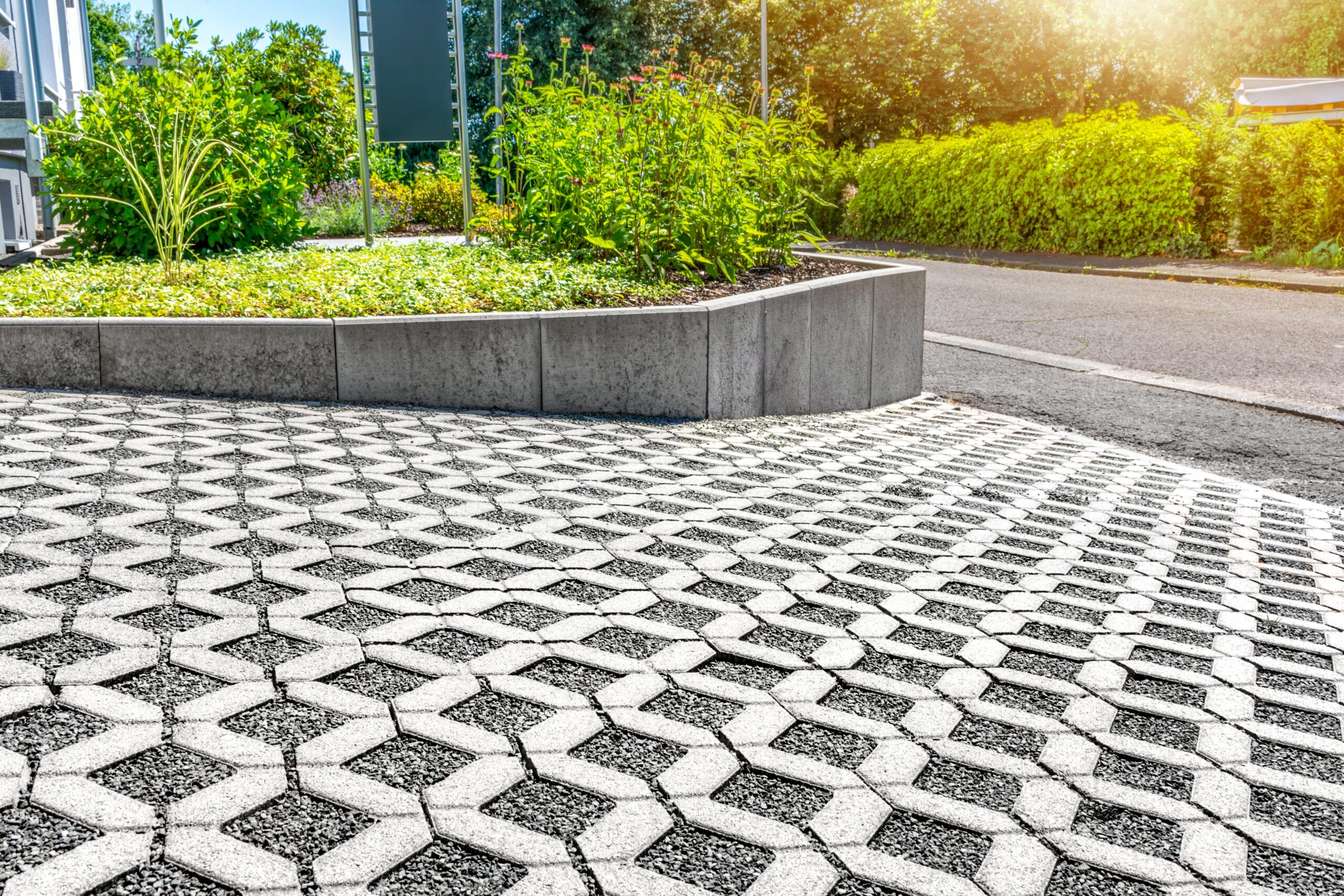
Materials like resin-bound gravel or permeable block paving allow water to pass through the surface naturally into the ground below.

2. Soakaways

These are underground drainage systems designed to collect and slowly disperse rainwater within your property.

3. Channel Drains

Installed along the edge of the driveway, these collect excess water and redirect it safely into a drainage system or garden area.

Failing to meet these drainage requirements could result in enforcement action from your local authority, especially in high-risk flood zones.

Which Driveway Materials Are Exempt from Planning Permission?

Some driveway materials are more likely to comply with permitted development rules without requiring planning permission.

Resin Surfacing

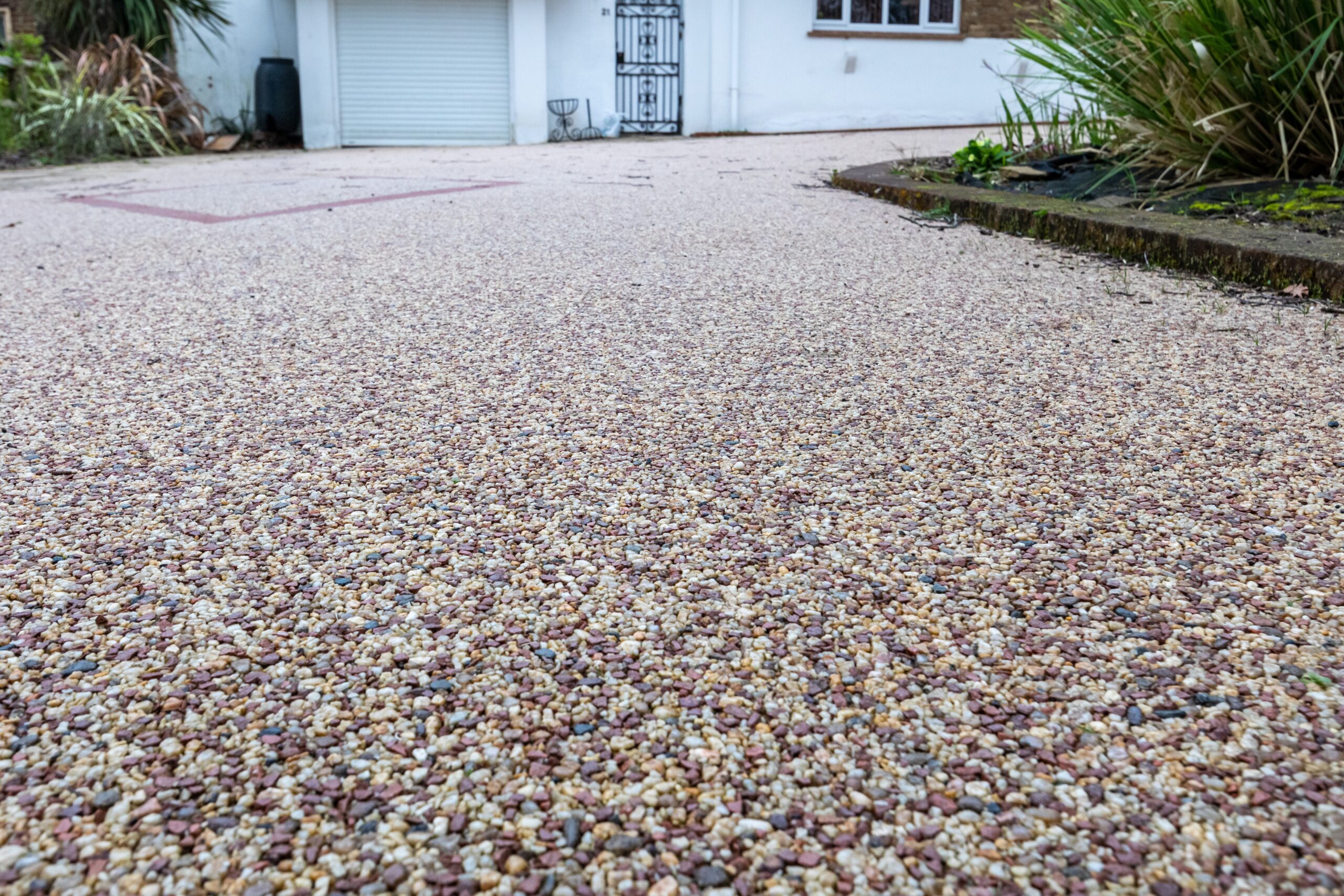
Resin-bound systems are highly permeable, making them one of the most compliant options for modern driveways. They combine aesthetics with excellent drainage performance.

Permeable Block Paving

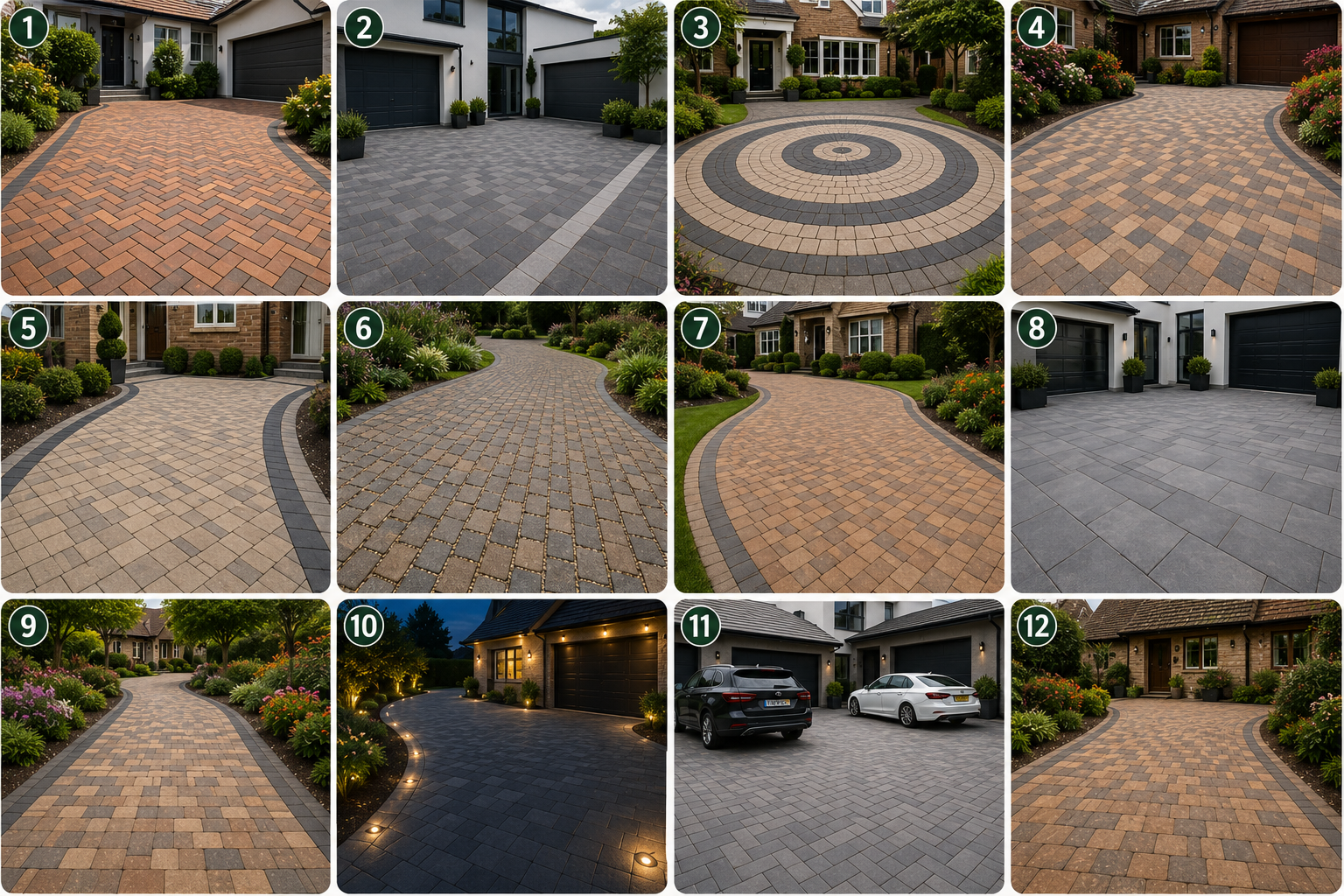
Designed with gaps that allow water to drain naturally, this option is both practical and visually appealing.

Gravel Driveways

A traditional choice that naturally allows water to pass through, though it requires edging to maintain structure.

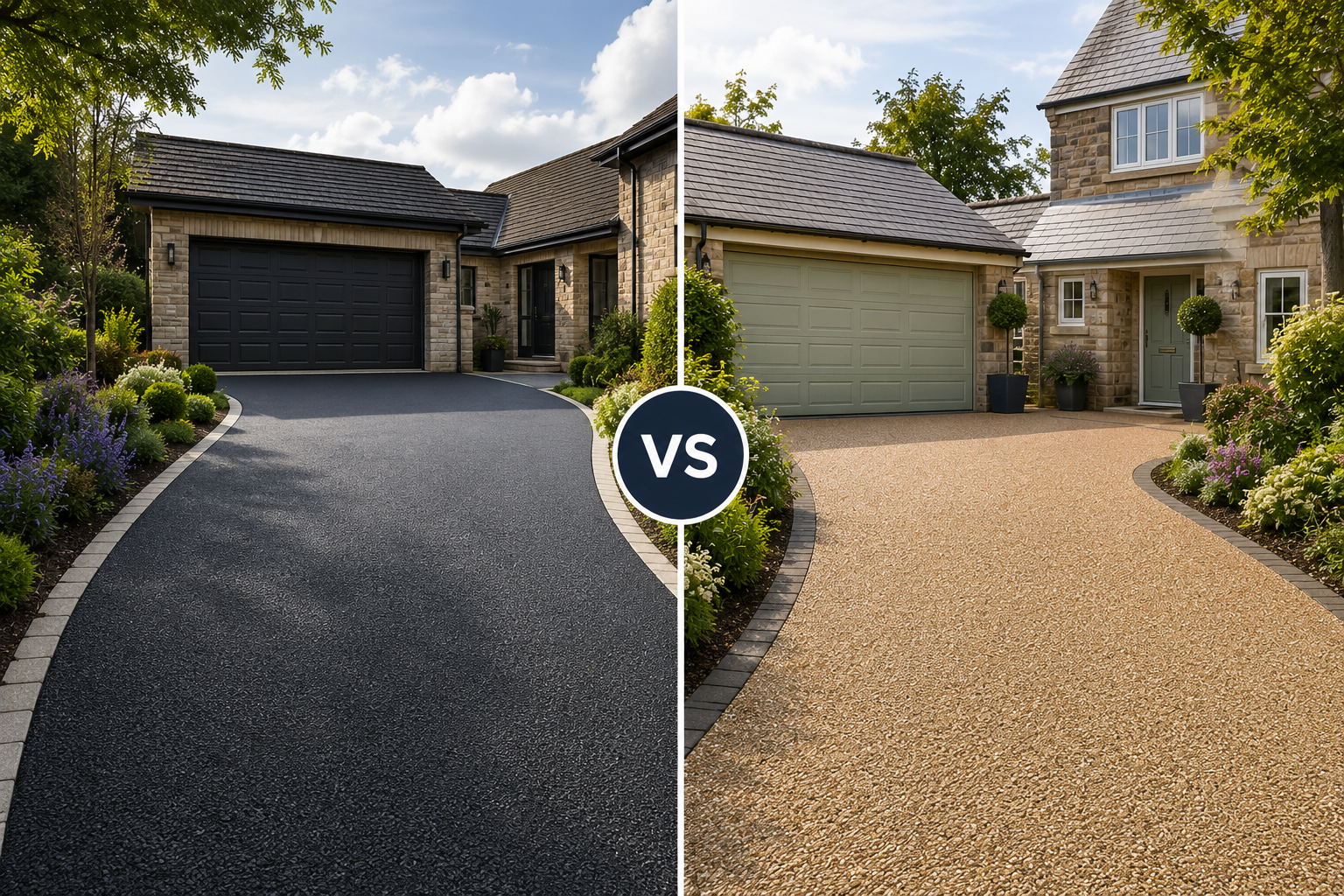
Tarmac and Concrete

These materials are typically impermeable unless paired with proper drainage systems such as soakaways or channel drains.

For homeowners wanting a low-maintenance solution, resin surfacing is often the most straightforward way to meet regulations while achieving a premium finish.

Common Mistakes Homeowners Make

Many planning permission issues arise due to avoidable mistakes, such as:

  • Installing impermeable surfaces without drainage planning
  • Extending driveway size without checking local restrictions
  • Ignoring conservation area requirements
  • Assuming “like-for-like” replacements are always exempt

Even small oversights can lead to compliance issues, so it’s always worth checking before work begins.

How to Stay Compliant and Avoid Planning Issues

To ensure your project complies with driveway regulations UK, follow these best practices:

  • Choose permeable materials where possible
  • Always plan drainage before installation
  • Check local council guidance for your area
  • Work with experienced surfacing contractors

Professional installation is especially important, as incorrect gradients or drainage setup can lead to long-term water damage or regulatory issues.

At Dares Surfacing, we ensure every project is designed with compliance and durability in mind, giving homeowners peace of mind from start to finish.

Wrapping Up

Understanding planning permission for driveways, along with key driveway drainage rules and driveway regulations UK, is essential before starting any surfacing project. While many driveways fall under permitted development, drainage compliance is often the deciding factor.

Choosing the right materials and installation method can help you avoid planning issues altogether while improving the appearance and functionality of your property.

If you’re planning a new driveway or resurfacing an existing one, Dares Surfacing can help you select the right solution for both compliance and style.

Contact Dares Surfacing today to learn more about our driveway surfacing solutions across Devon, Dorset, and Somerset.

Frequently Asked Questions 

1. Do I need planning permission for a driveway?

In most cases, you do not need planning permission for a driveway in the UK if it uses permeable materials or has proper drainage that prevents surface water from running onto roads or neighbouring properties.

2. When is planning permission required for a driveway?

Planning permission is usually required when impermeable surfaces are installed without adequate drainage, when water runs onto the highway, or if the property is listed, in a conservation area, or subject to local restrictions.

3. What are driveway drainage rules in the UK?

Driveway drainage rules in the UK require surface water to be managed within your property using permeable materials, soakaways, or drainage channels, preventing runoff onto roads, pavements, or neighbouring land to reduce flooding risk.

4. Which driveway materials are exempt from permission?

Permeable materials such as resin-bound surfaces, gravel, and permeable block paving are typically exempt from planning permission, as they allow water to drain naturally through the surface into the ground below without causing runoff issues.

5. Does tarmac need planning permission?

Tarmac may require planning permission if it is impermeable and lacks proper drainage systems. However, if paired with suitable soak aways or channel drains, it can often comply with UK driveway regulations and permitted development rights.

6. What happens if I ignore driveway regulations?

Ignoring driveway regulations can result in enforcement action from your local council, including requirements to remove or alter the driveway, fines, and potential issues with property drainage leading to flooding or legal complications later eventually.

7. How can Dares Surfacing help with compliance?

Dares Surfacing ensures driveway installations meet UK planning permission and drainage rules by using compliant materials, professional installation techniques, and tailored solutions that prevent runoff while delivering durable, attractive, and long-lasting surfacing results for homeowners.

13

Mar

Post-Winter Driveway Care: Essential Tips to Prepare for Spring

Introduction

Winter weather can take a toll on your driveway. From frost damage to weed growth and surface stains, it’s crucial to assess and restore your surface as the seasons change. This post-winter driveway cleaning and repair guide offers practical driveway maintenance tips to help you prepare for spring in the UK, ensuring your surface stays functional and attractive.

Inspect Your Driveway for Winter Damage

Start by carefully checking for signs of winter wear:

  • Cracks and potholes: Freeze-thaw cycles can expand existing cracks or create new ones.
  • Surface staining: Salt, debris, and water runoff often leave unsightly marks.
  • Weeds and moss: Moist conditions encourage growth in joints and edges.

Early detection allows for timely repairs and prevents minor issues from becoming costly problems.

Thorough Driveway Cleaning

Cleaning your driveway is a fundamental first step in spring maintenance. For general driveway cleaning:

  • Use a pressure washer to remove grime, algae, and moss.
  • Apply a driveway-friendly detergent for deeper cleaning.
  • Scrub oil or fuel stains with a degreasing agent.

Resin Driveway Cleaning Tips

Resin-bound surfaces require a gentler approach:

  • Use a medium-pressure hose instead of a jet washer.
  • Avoid harsh chemicals; opt for mild soapy water.
  • Sweep regularly to prevent debris buildup.

Regular resin driveway cleaning not only improves appearance but also extends lifespan.

Remove Weeds and Treat Edges

Post-winter is prime time to deal with unwanted growth:

  • Pull weeds by hand or use a weed removal tool for deeper roots.
  • Apply a residual herbicide to prevent regrowth.
  • Trim back bordering grass or plants encroaching on the surface.

This not only boosts kerb appeal but also protects your driveway’s structural integrity.

Resealing Your Driveway

Resealing is one of the most effective ways to maintain your surface, especially after a harsh winter. Benefits include:

  • Protection: Shields against moisture, UV rays, and surface erosion.
  • Appearance: Restores colour and finish.
  • Durability: Helps prevent cracking and fading.

Depending on the surface (asphalt, block paving, or resin), choose the appropriate sealant. It’s best to reseal on a dry day with mild temperatures.

Best Driveway Maintenance Products for Spring

Here are some recommended products to assist your spring maintenance routine:

  • Driveway cleaner: Eco-friendly and suitable for all surfaces.
  • Crack filler: For patching small imperfections.
  • Joint sand or compound: Ideal for block paving.
  • Weed control solution: Long-lasting and pet-safe options available.

Using the right tools ensures more effective and long-lasting results.

Wrapping Up

Taking the time to clean, repair, and reseal your driveway after winter not only enhances its look but also adds years to its lifespan. With these driveway maintenance tips, you can ensure your surface is ready for the months ahead.

Need help with post-winter driveway care? 

Contact Dares Surfacing today for expert advice and professional maintenance services across Devon, Dorset, and Somerset.

Frequently Asked Questions

1. Why is post-winter driveway maintenance important?


Winter conditions such as frost, heavy rain, and road salt can damage driveway surfaces. Post-winter maintenance helps identify cracks, remove stains, and prevent further deterioration. Regular upkeep keeps your driveway safe, visually appealing, and extends its lifespan before heavier spring and summer use.

2. How do I check my driveway for winter damage?


Start by inspecting the surface for cracks, potholes, loose blocks, or areas of sinking. Look for stains, moss, and weeds forming between joints. Catching these issues early allows you to repair them quickly, preventing larger structural problems and costly driveway repairs later.

3. What is the best way to clean a driveway after winter?


Begin by sweeping away loose debris, leaves, and dirt. Use a pressure washer with a driveway-safe detergent to remove grime, algae, and moss. For stubborn stains like oil or fuel, apply a degreasing cleaner and gently scrub the affected areas.

4. How should resin-bound driveways be cleaned?


Resin-bound driveways require gentle cleaning to protect the surface. Use a medium-pressure hose rather than a powerful jet washer. Clean with mild soapy water and a soft brush if needed, and sweep regularly to prevent leaves, dirt, and debris from building up.

5. How can I stop weeds and moss growing on my driveway?


Remove weeds by hand or with a weed removal tool to ensure roots are fully removed. Apply a suitable residual herbicide to prevent regrowth. Regular sweeping and trimming back nearby plants also helps reduce moisture buildup that encourages weed growth.

6. When should I reseal my driveway after winter?


The best time to reseal a driveway is during dry weather with mild temperatures in spring. Resealing protects against moisture, UV damage, and wear while restoring colour and appearance. Always choose a sealant designed for your specific driveway surface.

7. Can professional driveway maintenance help extend its lifespan?


Yes, professional maintenance can significantly extend the life of your driveway. Experts can carry out deep cleaning, repair cracks, reseal surfaces, and address structural issues early. Professional care ensures your driveway remains durable, safe, and visually attractive for years to come.

18

Feb

New Resin Bound Colour Trends & Finishes: What’s Trending in 2026

How Driveway Aesthetics Are Evolving Across the South West

Driveways are no longer just practical spaces to park your car , they’re a key feature of modern driveway design. Across Devon, Dorset, and Somerset, homeowners are embracing new resin bound colour trends that combine durability with contemporary style. In 2026, resin surfacing is all about subtle textures, natural tones, and finishes that elevate kerb appeal while increasing property value.

At Dares Surfacing, we’ve seen a clear shift in design preferences. Homeowners want surfaces that complement their property’s architecture while offering low maintenance and long-term performance. This guide explores the most popular resin finish ideas and colour palettes shaping driveways across the South West.


Resin Bound Colour Trends Defining Modern Driveway Design in 2026

The biggest resin bound colour trends this year are inspired by nature and minimalism. Homeowners are choosing tones that blend seamlessly with landscaped gardens, stone façades, and countryside surroundings.

1. Warm Natural Neutrals

Soft beige, sandstone, and warm buff blends are leading choices for modern driveway design. These shades pair beautifully with traditional cottages and contemporary new builds alike. Popular options include:

  • Golden quartz blends
  • Cream and caramel mixes
  • Light granite tones

These resin finish ideas create a welcoming entrance while maintaining a clean, modern aesthetic.

2. Cool Greys & Charcoal Finishes

Grey remains a dominant force in resin bound colour trends, but in 2026 it’s more refined. Homeowners are moving towards:

  • Mid-tone silvers
  • Blue-grey aggregates
  • Deep charcoal with subtle sparkle

These finishes complement aluminium doors, black window frames, and minimalist landscaping hallmarks of modern driveway design.

3. Two-Tone Borders & Detailing

Driveways are becoming more design-led. Contrasting borders in darker aggregates help frame the space and add visual structure. This approach enhances resin finish ideas while improving definition and practicality.

For example, pairing a light silver driveway with a charcoal border creates a striking yet sophisticated look.

Textured & Decorative Resin Finish Ideas

Colour isn’t the only trend shaping modern driveway design. Texture and layout patterns are gaining popularity across the South West.

Decorative Patterns & Edging

Homeowners are requesting:

  • Circular motifs
  • Pathway inlays
  • Brick or block edging for contrast

Combining resin with block paving services adds character and improves drainage transitions.

Seamless Indoor-Outdoor Flow

One emerging resin bound colour trend is extending the same aggregate blend from driveway to pathways and patios. This cohesive design approach creates a unified, high-end appearance.

If you’re considering a full property upgrade, combining resin with tarmacing solutions for larger areas can provide both practicality and visual harmony.

Why Resin Surfacing Is Leading Modern Driveway Design

Resin bound systems continue to outperform traditional materials in both appearance and longevity.

Permeability & Sustainability

Resin bound surfaces are SuDS-compliant, allowing water to drain naturally. With increasing environmental awareness in Devon, Dorset, and Somerset, this is a major factor influencing resin bound colour trends.

Low Maintenance Appeal

Unlike block paving, resin doesn’t encourage weed growth between joints. Occasional sweeping and power washing keep it looking fresh—an attractive feature for busy homeowners.

Long-Term Value

A professionally installed resin driveway can last 15–20 years or more. Investing in contemporary resin finish ideas not only enhances aesthetics but can also boost property resale value.


Popular Resin Colour Choices Across Devon, Dorset & Somerset

At Dares Surfacing, we’ve noticed regional preferences emerging:

  • Devon: Coastal-inspired greys and sandy tones
  • Dorset: Warm countryside blends and natural stone effects
  • Somerset: Modern charcoal and silver combinations

These localised resin bound colour trends reflect architectural styles and environmental surroundings unique to the South West.


Choosing the Right Resin Finish Ideas for Your Property

Selecting the perfect finish involves more than following trends. Consider:

  • Property style (traditional vs contemporary)
  • Roof and brickwork colour
  • Landscaping and garden features
  • Lighting conditions

Viewing physical aggregate samples in natural daylight helps ensure your chosen resin bound colour trends align with your vision.


Installation Matters: Why Professional Expertise Is Essential

Even the best resin finish ideas can fail without proper installation. Base preparation, correct mixing ratios, and weather conditions all influence performance.

Dares Surfacing provides expert resin installation across Devon, Dorset, and Somerset. Our team ensures:

  • Proper sub-base preparation
  • Smooth, even application
  • Durable, UV-stable finishes
  • Long-lasting, crack-resistant surfaces

Learn more about our professional resin surfacing services and how we deliver outstanding results tailored to your property.


Conclusion: Elevate Your Home with the Latest Resin Bound Colour Trends

The evolution of resin bound colour trends in 2026 reflects a growing desire for elegant, low-maintenance, and environmentally conscious surfaces. From warm natural tones to contemporary charcoals, today’s modern driveway design focuses on cohesion, texture, and long-term value.

By choosing the right resin finish ideas and working with experienced professionals, you can transform your driveway into a standout feature that enhances kerb appeal and increases property value.

Contact Dares Surfacing today to explore our resin surfacing solutions and discover the perfect finish for your home in Devon, Dorset, or Somerset.

FAQs

1. What are the most popular resin bound colour trends in 2026?

The most popular resin bound colour trends include warm natural neutrals, mid-tone greys, and deep charcoals. Homeowners are favouring subtle, earthy blends that complement landscaping and exterior finishes. Two-tone borders and decorative detailing are also trending, adding definition and a modern touch to driveway designs.

2. How long does a resin bound driveway last?

A professionally installed resin bound driveway can last between 15 and 20 years, sometimes longer with proper maintenance. Longevity depends on base preparation, installation quality, and usage levels. Regular cleaning and occasional power washing help preserve appearance and structural integrity over time.

3. Are resin bound driveways permeable?

Yes, resin bound systems are permeable and SuDS-compliant. Water drains through the surface into the ground below, reducing surface runoff and minimising puddles. This makes resin an environmentally friendly choice and often eliminates the need for additional drainage planning permission.

4. Do resin driveways require much maintenance?

Resin driveways are low maintenance compared to block paving or gravel. They do not have joints where weeds can grow. Occasional sweeping and annual power washing are typically enough to maintain their appearance and prevent debris buildup.

5. Can I customise my resin finish design?

Yes, there are many resin finish ideas available, including custom colour blends, contrasting borders, patterns, and decorative inlays. Homeowners can choose aggregates that complement their property style, creating a unique and personalised driveway surface.

6. Is resin suitable for both modern and traditional homes?

Resin is highly versatile and works well with both modern driveway design and traditional properties. Natural stone blends complement cottages and rural homes, while sleek greys and charcoals suit contemporary architecture. The wide range of colours allows complete design flexibility.

7. Does resin surfacing increase property value?

A professionally installed resin driveway can enhance kerb appeal and potentially increase property value. Its clean appearance, durability, and low maintenance qualities make it attractive to prospective buyers, especially when aligned with current resin bound colour trends.