
10

Mar

5 Driveway Ideas in Dorset

Driveway Ideas in Dorset

Are you looking to revamp or update your driveway in Dorset? At Dares Surfacing, we understand how to spruce up a drab and dreary driveway, which is why we have put together 5 fantastic ideas below to transform your home!


Did you know?

The most popular types of driveways are:


1 – Block paving driveways

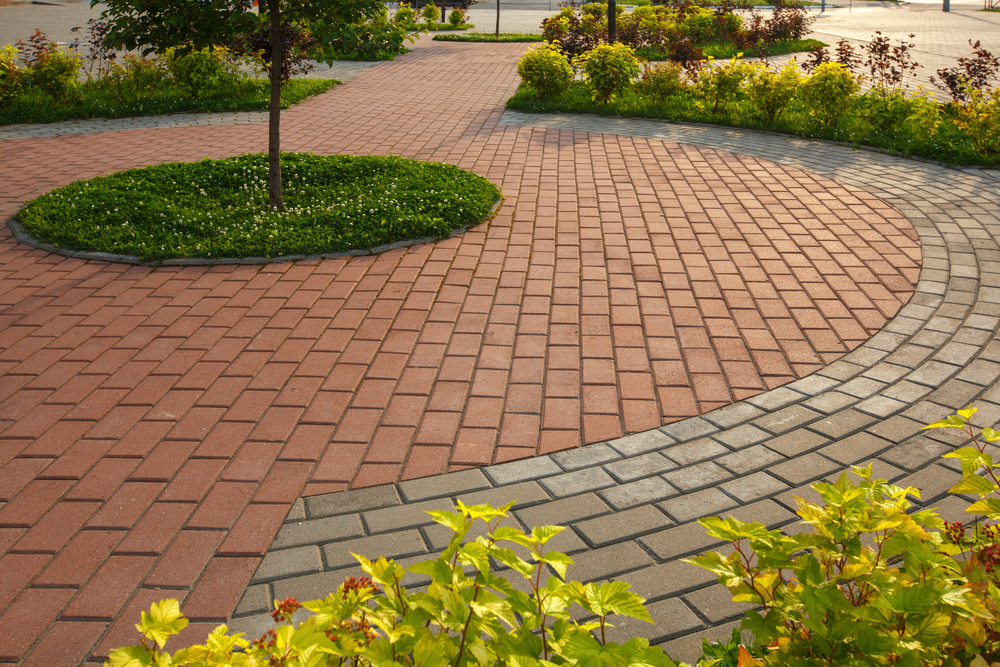
Block paving can allow for an array of different designs and applications when it comes to your driveway. Just take a look at this beautiful circular, two tone design highlighting the central point of the tree that takes pride of place in this driveway.
5 Driveway Ideas in Dorset

They tend to come in three categories of colour:

  • Red – This will incorporate your bronzes, terracotta, brindle and brick red
  • Yellow – This will incorporate your sandstone, biscuit and sand
  • Grey – this will incorporate your charcoal


Pros:

  • Block paving are hard wearing
  • Damaged blocks can be easily removed and changed when necessary
  • Lots of opportunity for different patterns and designs
  • Considered more fade resistant


Cons:

  • Blocks may shift as they settle
  • Weeds could grow in the cracks and crevices
  • May take longer to lay
  • Dependent on the size of the area there may need to be additional drainage


2- Resin bonded driveways

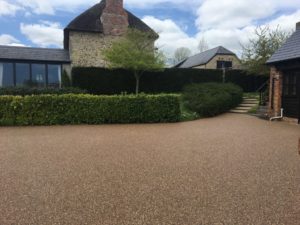
Resin bonded driveways are very modern in look and feel and can help you establish a minimalist look for your home. Resin-bound paving is a mixture of aggregate stones and resin, a permeable solution and flexible surfacing material.
5 Driveway Ideas in Dorset

There is a beautiful array of colours when it comes to resin driveways such as autumn gold, chocolate and terracotta! It’s easy to maintain and is an aesthetically pleasing surface that gives the appearance of natural gravel without the associated disadvantages.

Pros:

  • Colour will not fade
  • Smooth finish
  • No joins or loose stones
  • Non slip
  • No weed growth
  • Permeable/porous
  • Resistant to petrol, diesel and oil spills


Cons:

  • Not best choice for heavy usage
  • quality of installation and material used can vary
  • To ensure the colour will not fade you need to ensure the resin has UV protection
  • Moss growth can cause driveway to become slippery


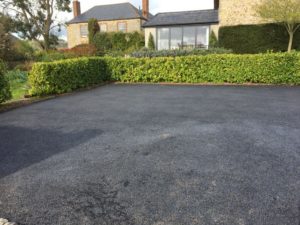
3 – Tarmac Driveways

Simplicity at its finest a tarmac driveway is the perfect way to showcase a minimalist aesthetic. Highly practical and weather resistant, there’s no wonder tarmac is one of the most popular options for driveways!
5 Driveway Ideas in Dorset

Pros:

  • Easy to install
  • affordable
  • High weather resistant
  • Highly durable
  • Skid resistant


Cons:

  • Light can cause tarmac degradation, becoming brittle
  • Oil can weaken the binder in tarmac and cause cracks
  • Weeds can grow in cracks


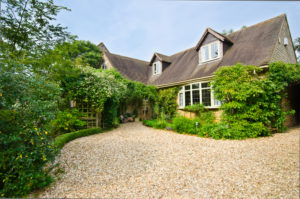
4 – Gravel Driveways

Popular for their great look and low maintenance, gravel driveways can add that rustic and rural charm to your home. The gravel used for driveways is usually a processed product consisting of rocks, sand and clay. It’s coarse nature is designed for good drainage, allowing water to permeate through. If your property has large tree roots to deal with, or if you’re looking for a cost effective solution for a large area, gravel may just be what you’re looking for!
5 Driveway Ideas in Dorset

Pros:

  • Low cost
  • Easy to maintain
  • Gravel can easily be replenished
  • Great drainage


Cons:

  • Gravel could be prone to washing away
  • Weeds can grow more easily
  • Difficult to remove snow
  • Harder to clean


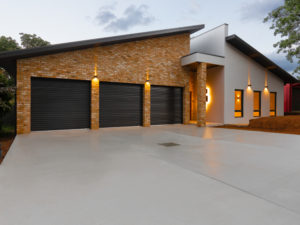
5 – Concrete driveways

Known for its strength and durability, a concrete driveway can give your home a modern look with very little maintenance. Although it may be a more expensive option, the benefits of having concrete for your driveway may outweigh the cons. It’s sleek appearance can also be coloured and stamped in order to make interesting designs!
5 Driveway Ideas in Dorset

Pros:

  • Strong and durable
  • Sleek and modern style
  • Low maintenance


Cons:

  • May look too plain to some
  • Costly for large areas
  • Can show tyre marks and oil stains
15

Feb

How to Clean Moss off Tarmac Driveways

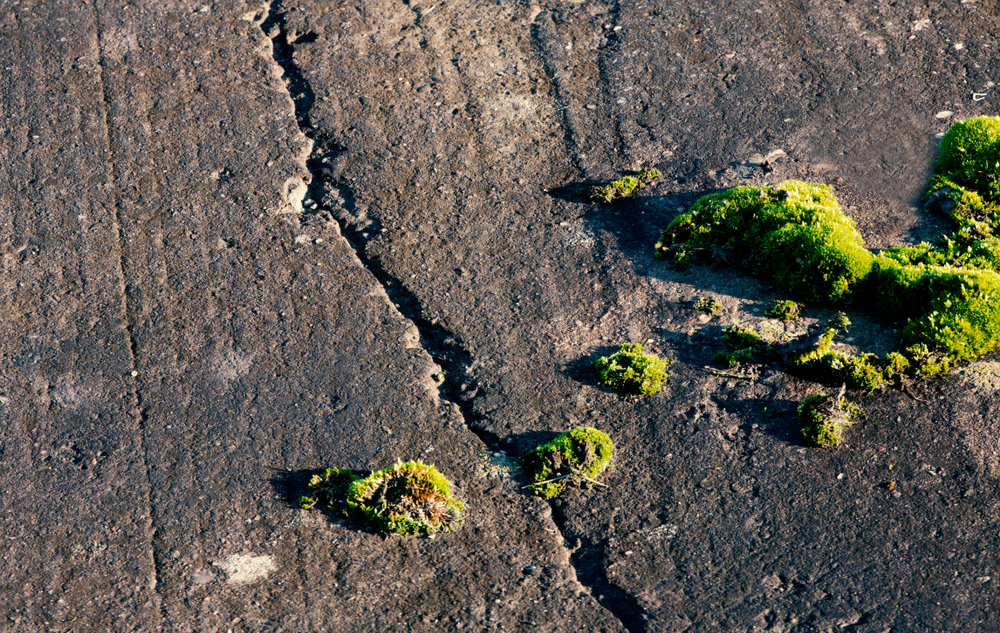
Moss growth is one of the most common issues affecting tarmac driveways, especially in damp regions like Dorset, Devon, and Somerset. While tarmac offers durability, affordability, and a smooth finish, its textured surface can trap moisture creating the perfect habitat for moss. If left untreated, moss can make your driveway slippery, unsightly, and even cause gradual surface deterioration.

In this guide, you’ll learn how to clean moss off tarmac driveways safely, which products to use (and avoid), and how to prevent regrowth long-term all while keeping your driveway looking great and functioning at its best.

Why Moss Grows on Tarmac Driveways

Tarmac naturally contains tiny pores and textures. These grooves hold water after rain, making it a prime environment for moss especially if your driveway receives limited sunlight.

Key reasons moss thrives on tarmac driveways:

  • Dampness: Water settles easily in the textured surface.
  • Shade: Overhanging branches and nearby lawns reduce heat and airflow.
  • Organic matter: Dirt and debris provide nutrients for moss growth.
  • Surface texture: The small gaps protect moss from friction caused by car tyres.

Understanding these conditions helps you choose the right cleaning and prevention methods.

How to Clean Moss off Tarmac Driveways (Step-by-Step)

Below is a safe and effective method for removing moss without damaging your tarmac driveway.

Step 1: Prepare the Surface

Before applying any cleaning solution:

  • Use a stiff brush, broom, or garden rake to remove loose moss.
  • Sweep away leaves, mud, and organic buildup.
  • Clear drainage channels to prevent standing water.

This step ensures your cleaning agent can penetrate deeper into the tarmac surface.

Step 2: Apply a Safe Moss Treatment

Choosing the right cleaning agent is essential. Some chemicals can weaken the binder in tarmac and cause long-term damage.

Recommended cleaning agents:

  • Baking soda (sodium bicarbonate)
  • Sodium percarbonate (oxygen-based cleaner)

These eco-friendly options effectively break down moss without harming the tarmac, nearby plants, or soil.

How to apply:

  1. Wet small sections of your driveway.
  2. Sprinkle baking soda or dissolve sodium percarbonate in water.
  3. Scrub with a hard-bristled brush to reach deeper gaps.
  4. Allow the solution to sit for 20–40 minutes.

During this period, the moss begins to weaken and detach from the surface.

Step 3: Rinse Thoroughly

Once the cleaner has worked its magic:

  • Use a garden hose to rinse away loosened moss.
  • Avoid high-pressure jet washers, they can strip the binder from tarmac.
  • Repeat the process in heavy moss areas if necessary.

Your tarmac driveway should now look cleaner, brighter, and more uniform.

How to Prevent Moss Returning on Tarmac Driveways

Cleaning is only half the solution. Preventing moss from returning keeps your driveway safer and looking its best all year round.

Test Soil pH Around the Driveway

Moss thrives in acidic environments. If your soil pH is below 6, moss is more likely to grow.

Solution:
Apply agricultural lime to increase alkalinity and discourage future growth.

Increase Sun Exposure

Shade is one of the biggest contributors to moss growth.

Consider:

  • Trimming trees or hedges
  • Thinning branches to allow more light
  • Ensuring your driveway receives good airflow

Sunlight naturally dries moisture that moss relies on.

Avoid Over-Watering or Flooding the Driveway

When cleaning or rinsing your tarmac driveway:

  • Avoid excessive watering
  • Always choose a sunny day
  • Let the surface dry completely

A dry driveway is significantly less likely to develop moss.

Regular Maintenance and Sweeping

Simple monthly upkeep can prevent most moss growth:

  • Sweep away leaves and debris
  • Rinse lightly during dry weather
  • Inspect for early moss patches and treat immediately

Staying ahead of the issue saves time and protects the lifespan of your tarmac driveway.

Signs Your Tarmac Driveway Needs Professional Attention

While many homeowners clean moss themselves, there are times when expert help is essential. Consider contacting a professional if you notice:

  • Persistent moss returning even after cleaning
  • Cracks or loose aggregates
  • Uneven surfaces or water pooling
  • Ageing tarmac that looks worn or brittle

Professionals like Dares Surfacing can assess whether resurfacing, repairs, or a fresh tarmac layer is needed.

Why Tarmac Driveways Are Worth Maintaining

Properly maintained tarmac driveways can last 15–20 years or more. Benefits of keeping your driveway clean include:

  • Improved appearance
  • Better traction and safety
  • Longer lifespan
  • Increased property value
  • Reduced risk of costly structural repairs

Regular upkeep prevents small issues like moss from becoming bigger problems.

Professional Tarmac Driveway Services in Dorset, Devon & Somerset

If your tarmac driveway needs more than a simple clean, or you’re considering a brand-new installation, Dares Surfacing provides:

  • Professional tarmacing for driveways, paths & car parks
  • Resurfacing and repairs
  • Drainage improvements
  • Long-lasting, cost-effective driveway solutions

Conclusion

Moss growth is a common and frustrating issue for homeowners, but with the right approach, you can safely clean moss off tarmac driveways and prevent it from returning. Regular maintenance, sunlight exposure, gentle cleaning agents, and good surface care all contribute to a healthier, longer-lasting driveway.

If you want expert guidance, professional installation, or durable resurfacing, Dares Surfacing is your trusted specialist across Dorset, Devon, and Somerset.

📞Call us today on 07970 027 614
or visit https://daressurfacing.co.uk/tarmacing/ Let us help you transform and protect your tarmac driveway for years to come.